By Sophie Tel Diaz Real Estate
Every homeowner in Colleyville is working with the same set of conditions: heavy clay soil that expands and contracts dramatically with moisture, summer temperatures that routinely push past 100 degrees, periodic freezes that can surprise even established plantings, and spring storms capable of dumping several inches of rain overnight.
Those conditions reward homeowners who landscape with the local environment and penalize those who import planting schemes designed for gentler climates. Here's what every Colleyville homeowner should know.
Key Takeaways
- USDA Zone 8b: Colleyville sits in USDA hardiness zone 8b alongside Dallas and Fort Worth, with average annual minimum temperatures between 15 and 20 degrees Fahrenheit and summer heat that regularly exceeds 100 degrees
- Blackland Prairie clay soil: Tarrant County sits on heavy Blackland Prairie clay that expands and contracts dramatically with moisture changes
- New HOA protections: Texas HB 517, effective September 1, 2025, bars HOAs from fining homeowners for brown or discolored vegetation during municipal water restriction periods, and for 60 days after restrictions are lifted
- Landscaping tips Colleyville TX: Fall is the ideal planting window for major landscape projects; native and drought-adapted plants perform dramatically better than non-native species in the local clay, and soil amendment is the upgrade that makes everything else work
Start With the Soil: Colleyville's Clay Challenge and How to Work With It
Every landscaping conversation for a Colleyville property has to begin with soil, because the Blackland Prairie clay that underlies this part of Tarrant County is both the defining challenge and, when managed correctly, a genuine asset of the local landscape.
- Soil amendment with compost: Adding compost improves soil structure, increases microbial activity, and extends the amount of time between required watering
- Aeration: Regular core aeration breaks up surface compaction on turf areas, improving water penetration and root depth, particularly important on the heavy clay soils common throughout Colleyville neighborhoods
- Avoid overworking wet clay: Working clay soil when wet destroys its structure and accelerates compaction; landscape projects on Colleyville properties should be timed for periods when soil has adequate but not excessive moisture
- Mulch depth: A three-to-four-inch layer of mulch in planting beds moderates the extreme soil temperature swings that Colleyville's summer heat creates, reduces evaporation, and gradually improves soil structure as it decomposes
Improving soil structure through compost amendment and strategic mulching is the foundation that determines how well everything else performs.
Plant Selection: Native and Drought-Adapted Plants That Thrive in Colleyville
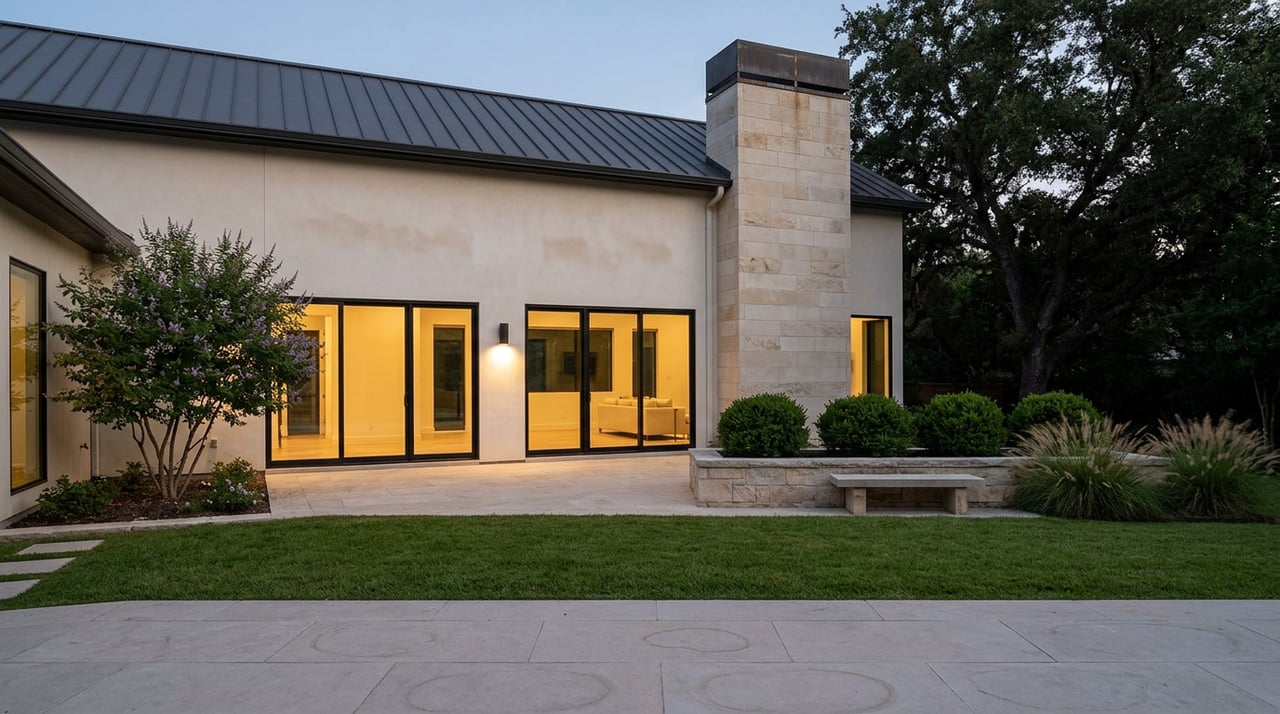
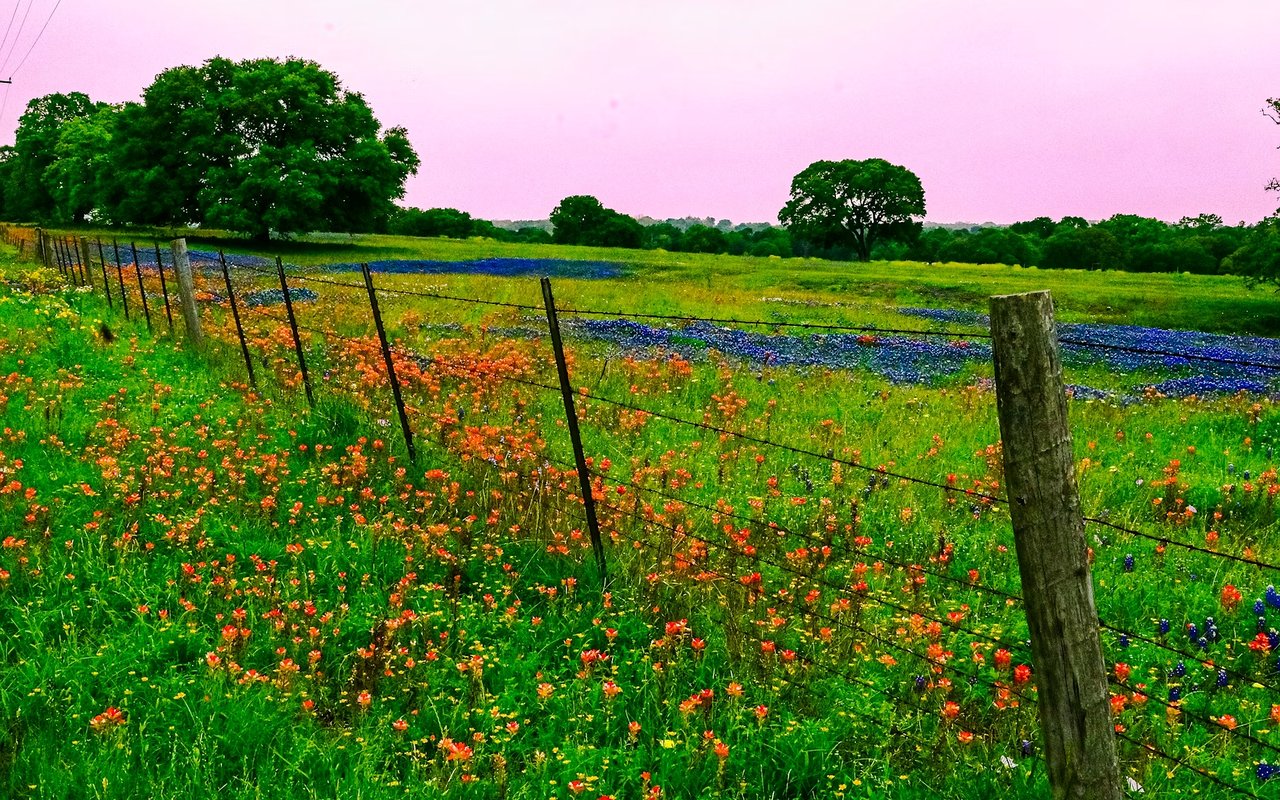
The landscaping tips for Colleyville TX that generate the most sustained results all point toward plants that are adapted to the Blackland Prairie ecoregion rather than fighting the local conditions with plants that require supplemental irrigation, soil modification, and constant intervention to survive.
- Yaupon Holly: A native Texas shrub or small tree producing red berries that persist through winter, tolerant of drought and heat, and useful as an ornamental specimen, informal hedge, or wildlife habitat plant
- Black-eyed Susan: A reliable, fast-growing native perennial that thrives in full sun and well-draining soils, producing bright yellow blooms from summer through fall and requiring virtually no supplemental irrigation once established
- Texas Lantana: A drought-resistant native shrub with vibrant orange and yellow blooms from late spring through early fall, tolerant of heat and poor soils in full sun, and a reliable attractor of butterflies and birds
- Autumn Sage: A water-efficient native plant with an extended bloom period that attracts pollinators and benefits the local ecosystem across multiple seasons
- Turk's Cap: A versatile, shade-tolerant native shrub with distinctive red flowers that performs in the partially shaded spots along north-facing walls and under established tree canopies where most other flowering plants struggle
- Bermuda and Zoysia turf: For Colleyville lawns, Bermuda grass thrives in North Texas heat and drought conditions, recovering quickly through the growing season, while Zoysia offers a denser, more shade-tolerant alternative for yards with established tree cover
For major landscape projects, fall planting is the ideal window, a timing advantage that meaningfully improves survival rates compared to spring-planted material facing immediate summer stress.
HOA Rules, Water Conservation, and the 2025 Legal Changes Every Colleyville Homeowner Should Know
Many Colleyville properties sit within HOA communities, and the intersection of landscaping decisions, water conservation goals, and HOA authority is an area where the legal landscape shifted meaningfully in 2025.
- Native plants are protected: Texas Property Code §202.007 prohibits HOAs from requiring turf grass or banning native plants statewide
- HB 517 protection from fines: Effective September 1, 2025, HB 517 bars HOAs from fining homeowners for brown or discolored vegetation during municipal water restriction periods, with protection extending 60 days after restrictions are lifted
- Submit a plan before planting: HOAs can still require pre-approval, neatness, edging, and general maintenance standards: submit a plant list, layout sketch, and maintenance schedule before beginning any native or drought-tolerant conversion
- Drip irrigation for beds: Drip irrigation is the preferred method for drought-resistant landscapes in North Texas because it reduces water waste and delivers moisture directly to root zones rather than broadcasting it across turf and bed areas simultaneously
The combination of legal protections and financial incentives means that Colleyville homeowners now have more tools than ever to landscape intelligently for the local climate without compromising their standing within an HOA community.
FAQs
What is the best time of year to plant new landscaping in Colleyville?
Fall planting is ideal for major landscape projects in North Texas, with the window running from mid-September through the end of October, giving plants time to establish root systems before freeze risk increases and before facing their first summer heat stress.
Can my Colleyville HOA require me to maintain a grass lawn?
Under Texas Property Code §202.007, HOAs cannot require turf grass specifically or mandate a minimum percentage of lawn coverage, and cannot ban maintained native plants that conserve water.
How does Colleyville's clay soil affect irrigation planning?
Because North Texas Blackland Prairie clay has low permeability, turfgrass and native plant beds have very different water needs and should not share the same irrigation zone. Hydrozoning is essential to avoid overwatering drought-tolerant plants while adequately irrigating turf.
Contact Sophie Tel Diaz Real Estate Today
Landscaping is one of the highest-visibility investments a Colleyville homeowner can make, and doing it well returns real value both in daily enjoyment and at resale.
Contact us at Sophie Tel Diaz Real Estate to work with the local experts who know this market and community in detail.
Contact us at Sophie Tel Diaz Real Estate to work with the local experts who know this market and community in detail.