By Sophie Tel Diaz Real Estate
Few home upgrades generate as much excitement as a dedicated home theater. In a luxury Colleyville, TX, home, where square footage and high-end finishes already set the stage, a thoughtfully designed media room can transform how you entertain, unwind, and experience film and sound. Whether you're converting an underutilized bonus room or building out a fully custom space from the ground up, the result — when done well — is rewarding.
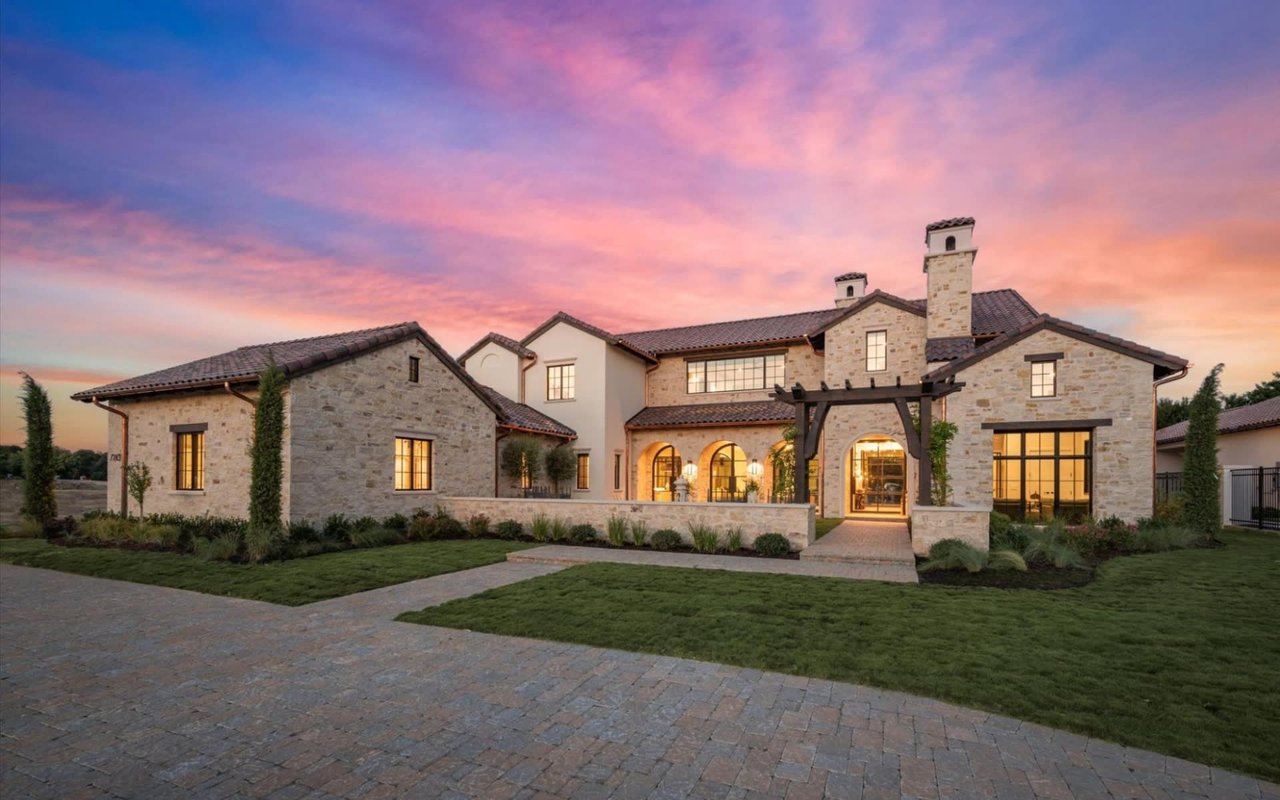
Colleyville's luxury housing stock lends itself particularly well to this kind of investment. Many of the area's larger homes include finished lower levels, oversized game rooms, or dedicated flex spaces that are perfectly suited for a theater conversion. The architecture here tends to favor generous proportions and quality, which means you're working with a solid foundation before the first piece of equipment is even selected.
Getting the details right matters. From acoustic treatment and display technology to seating configurations and lighting design, every decision compounds on the next. This guide will walk you through how to approach each layer of the process so that your finished space feels as impressive as it performs.
Key Takeaways
- Room size, shape, and acoustic treatment are foundational decisions that affect every other element of the design.
- Display technology choices between projector-and-screen setups and large-format LED panels should be driven by the specific dimensions and ambient light conditions of your room.
- Tiered seating, professional-grade audio, and high-end finishes elevate a media room from functional to truly cinematic.
- Smart integration with the rest of your home's systems creates a seamless experience that extends beyond the theater itself.
- Luxury homes in Colleyville often have existing architectural features that can be leveraged to reduce build-out complexity and cost.
Start With the Right Room
The room you choose is the single most consequential decision in the entire project. Dimensions, ceiling height, and existing construction materials all influence how sound behaves in the space, how the image will read on screen, and how many seats you can realistically fit without compromising sight lines or acoustics.
A rectangular room with a length-to-width ratio between 1.5:1 and 2:1 tends to perform well acoustically because it distributes standing waves more evenly than a square room. Ceiling height matters, too; rooms under eight feet high can create challenges with speaker placement and tiered seating, while ten to twelve-foot ceilings open up more design flexibility. Many Colleyville luxury homes already offer these proportions in bonus rooms or walk-out basements, which makes them natural candidates.
Isolation is another consideration worth evaluating early. Sound travels through walls, floors, and ceilings, so a theater built directly beneath a bedroom or adjacent to a study will require more investment in acoustic insulation than one positioned away from frequently occupied rooms. Budget for this if your chosen room is in a high-traffic zone of the house; it's far easier to address during construction than after.
A rectangular room with a length-to-width ratio between 1.5:1 and 2:1 tends to perform well acoustically because it distributes standing waves more evenly than a square room. Ceiling height matters, too; rooms under eight feet high can create challenges with speaker placement and tiered seating, while ten to twelve-foot ceilings open up more design flexibility. Many Colleyville luxury homes already offer these proportions in bonus rooms or walk-out basements, which makes them natural candidates.
Isolation is another consideration worth evaluating early. Sound travels through walls, floors, and ceilings, so a theater built directly beneath a bedroom or adjacent to a study will require more investment in acoustic insulation than one positioned away from frequently occupied rooms. Budget for this if your chosen room is in a high-traffic zone of the house; it's far easier to address during construction than after.
What To Evaluate Before Finalizing Your Room Choice
- The room's proximity to sleeping or quiet areas of the home, since sound isolation affects the project scope.
- Existing ceiling height, which determines whether tiered seating rows are feasible without requiring structural modifications.
- Current HVAC capacity for the space, given that projectors and amplifiers generate substantial heat during extended use.
- Natural light sources like windows or skylights, which can compromise image quality and may require blackout solutions.
- Electrical panel capacity, since high-end AV systems draw considerable power and often require dedicated circuits.
Choose Your Display Technology
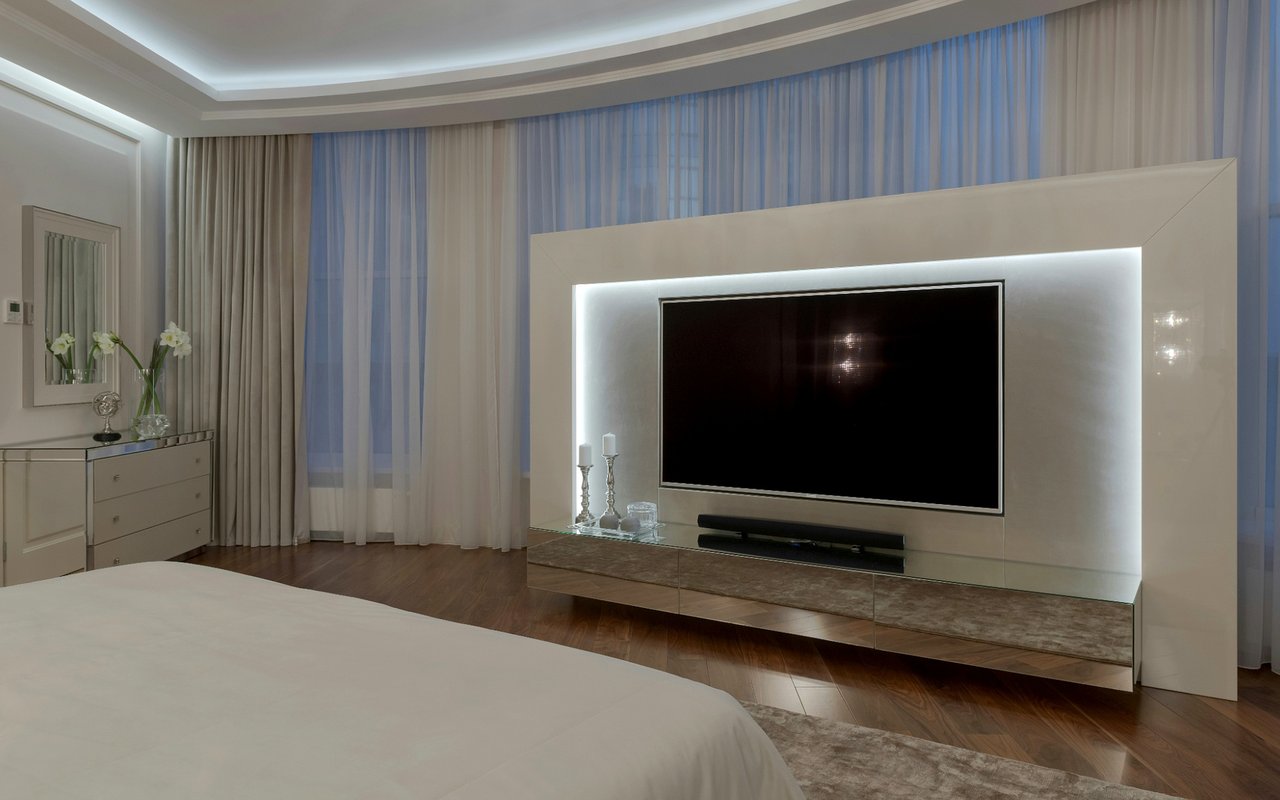
The choice between a projector-and-screen combination and a large-format display panel is one of the most frequently debated decisions in home theater design, and the right answer depends on your room rather than personal preference alone.
Projectors excel in dedicated rooms with controlled lighting because they can produce image sizes well beyond what any flat panel currently offers at a reasonable price point. A 120-inch or larger image is achievable with a quality 4K laser projector, and the result in a darkened room is cinematic. Short-throw and ultra-short-throw models have expanded placement options, allowing for setups that would have been impractical in smaller rooms even a few years ago.
Large-format LED displays, including some of the newer micro-LED and MLA-enhanced OLED panels in the 77-inch to 100-inch range, perform exceptionally well in rooms where ambient light can't be fully controlled. They offer absolute blacks, precise local dimming, and the kind of image brightness that holds up even in a room with windows. For a Colleyville home where the theater space might also serve as a multi-use entertainment room, a high-end panel can be the more versatile choice.
Projectors excel in dedicated rooms with controlled lighting because they can produce image sizes well beyond what any flat panel currently offers at a reasonable price point. A 120-inch or larger image is achievable with a quality 4K laser projector, and the result in a darkened room is cinematic. Short-throw and ultra-short-throw models have expanded placement options, allowing for setups that would have been impractical in smaller rooms even a few years ago.
Large-format LED displays, including some of the newer micro-LED and MLA-enhanced OLED panels in the 77-inch to 100-inch range, perform exceptionally well in rooms where ambient light can't be fully controlled. They offer absolute blacks, precise local dimming, and the kind of image brightness that holds up even in a room with windows. For a Colleyville home where the theater space might also serve as a multi-use entertainment room, a high-end panel can be the more versatile choice.
Key Differences to Factor Into Your Decision
- Projectors offer a larger maximum image size, but they require near-total light control and periodic lamp or laser maintenance.
- Large-format displays offer better brightness and contrast in mixed-light environments, with no ambient light concerns.
- Screen materials for projector setups vary widely; acoustic-transparent screens allow speakers to be positioned directly behind them, which improves dialogue clarity.
- 4K resolution, HDR performance, and refresh rate specs should be evaluated in person before committing, since marketing specifications don't always reflect real-world viewing experience.
Invest in the Audio System
Picture quality tends to get the most attention in home theater planning, but audio is what separates a room that looks impressive from one that truly immerses you. A properly calibrated surround sound system in a well-treated room is one of the most striking experiences you can create in a residential space.
Dolby Atmos and DTS:X are the current gold standards in object-based surround formats, and they require overhead or upward-firing speakers in addition to a traditional surround array. For a dedicated theater room in a luxury Colleyville home, a 7.1.4 configuration (seven surround channels, one subwoofer, four overhead channels) is a solid starting point that delivers convincing three-dimensional audio with most content.
Speaker placement is as important as speaker quality. A professional AV integrator will account for room dimensions, listener position, and surface reflectivity when mapping out speaker locations. Acoustic treatment panels, bass traps in room corners, and diffusers on rear walls all play a role in tightening the sound.
Dolby Atmos and DTS:X are the current gold standards in object-based surround formats, and they require overhead or upward-firing speakers in addition to a traditional surround array. For a dedicated theater room in a luxury Colleyville home, a 7.1.4 configuration (seven surround channels, one subwoofer, four overhead channels) is a solid starting point that delivers convincing three-dimensional audio with most content.
Speaker placement is as important as speaker quality. A professional AV integrator will account for room dimensions, listener position, and surface reflectivity when mapping out speaker locations. Acoustic treatment panels, bass traps in room corners, and diffusers on rear walls all play a role in tightening the sound.
Essential Components of a High-Performance Audio Setup
- A pre-amplifier/processor capable of decoding Atmos and DTS:X formats, with enough channels to support your speaker configuration.
- Dedicated amplification with sufficient headroom for the room's cubic footage; underpowering speakers is a common and audible mistake.
- A subwoofer system sized to the room, since sealed or ported subwoofers in smaller rooms behave differently than in large theater spaces.
- Acoustic treatment on at least the first reflection points on side walls, the front wall behind the screen, and the ceiling directly above the primary seating row.
Design the Seating and Ambiance
Seating and lighting design are where the aesthetic experience of the theater comes together. Power recliner seating in two or three rows creates the most cinematic experience, especially when the rear rows are elevated on a platform to maintain clear sight lines to the screen.
Lighting in a theater room serves multiple purposes. Dimmable LED rope lighting along step edges in tiered rows provides ambiance. Bias lighting positioned behind the display reduces eye strain during viewing. Programmable scene control through a smart home system lets you shift the entire room from "pre-show" to "feature presentation" mode with a single command. Integrating the theater's lighting, HVAC, display, and audio into a unified control system is standard practice in high-end setups and makes the day-to-day experience more refined.
Lighting in a theater room serves multiple purposes. Dimmable LED rope lighting along step edges in tiered rows provides ambiance. Bias lighting positioned behind the display reduces eye strain during viewing. Programmable scene control through a smart home system lets you shift the entire room from "pre-show" to "feature presentation" mode with a single command. Integrating the theater's lighting, HVAC, display, and audio into a unified control system is standard practice in high-end setups and makes the day-to-day experience more refined.
Finishing Details That Elevate the Space
- Custom millwork or fabric wall panels that double as acoustic treatment and visual interest.
- Motorized blackout shades on windows, operated as part of the room's automation scene.
- A concession counter or wet bar area at the rear of the room.
- Star ceiling panels or fiber optic ceiling kits that mimic a night sky for an atmospheric pre-show effect.
FAQs
Does a Home Theater Add Value to a Luxury Home?
A professionally built and properly executed home theater can be a meaningful selling point in the Colleyville luxury real estate market, particularly among buyers who prioritize entertainment and at-home amenities. While it may not generate a dollar-for-dollar return on investment in every scenario, a well-designed media room consistently stands out in listings and can differentiate a home in a competitive price range.
What's the Difference Between a Media Room and a Dedicated Home Theater?
A media room is typically a multi-use space with a large display, comfortable seating, and a sound system, but it's not optimized for cinematic performance. A dedicated home theater is a purpose-built room with light-controlled conditions, professional-grade audio, acoustic treatment, and tiered seating. The dedicated theater experience is more immersive, but it requires a room that can be fully committed to that use.
How Long Does It Take To Build a Home Theater?
For a well-planned dedicated theater in an existing home, expect a timeline of eight to sixteen weeks from design finalization to completion. Projects involving structural changes, custom millwork, or complex smart home integration may run longer. Working with experienced contractors and AV professionals who specialize in residential installs is the most reliable way to stay on schedule.
Your Next Chapter in Colleyville Living Starts Here
A home theater is one of those investments that pays dividends every time you use it. In a luxury Colleyville home, where the standard of living is already elevated, a thoughtfully designed media room becomes one of the most-used and most-loved spaces in the residence.
If you're exploring what's possible in Colleyville real estate, our team at Sophie Tel Diaz Real Estate would love to help. Whether you're searching for a property with the ideal layout for a build-out or want to understand how a planned renovation affects your home's value, we're here to guide you through it. Reach out to us today to start the conversation.
If you're exploring what's possible in Colleyville real estate, our team at Sophie Tel Diaz Real Estate would love to help. Whether you're searching for a property with the ideal layout for a build-out or want to understand how a planned renovation affects your home's value, we're here to guide you through it. Reach out to us today to start the conversation.