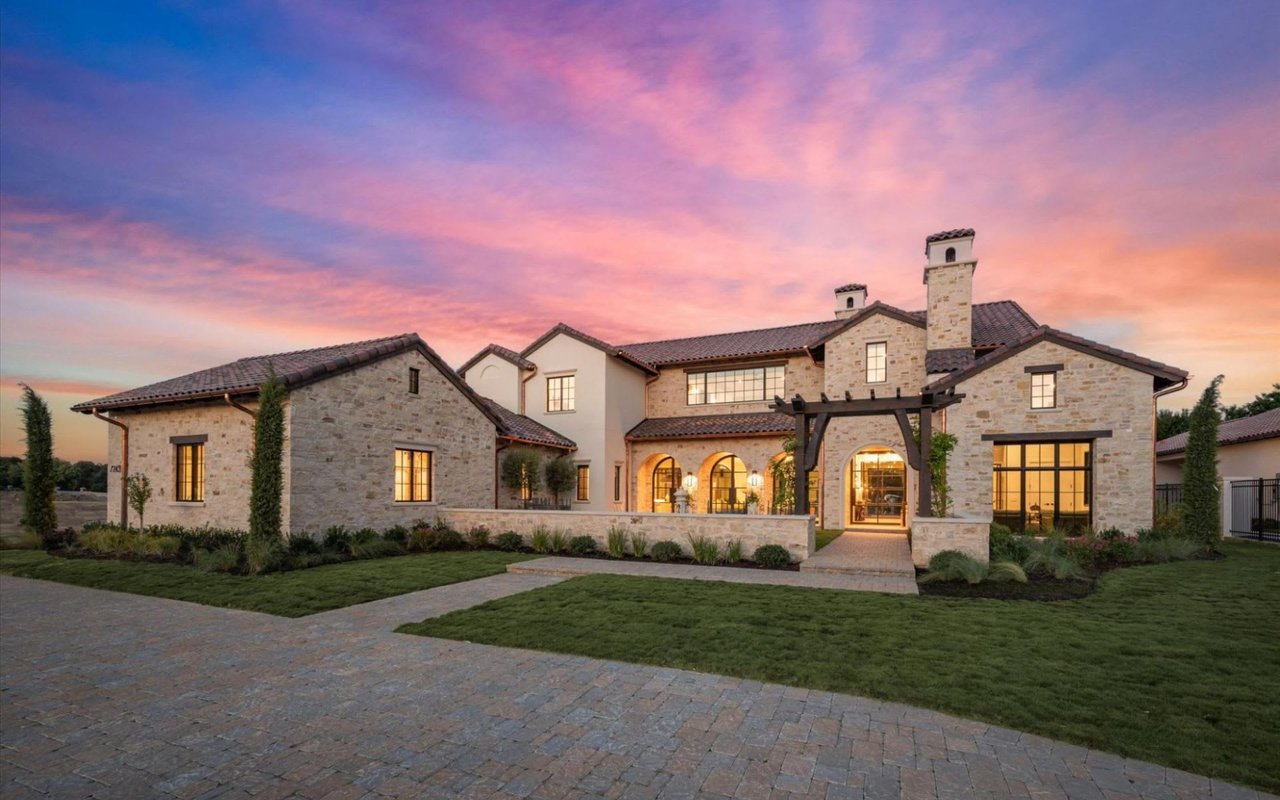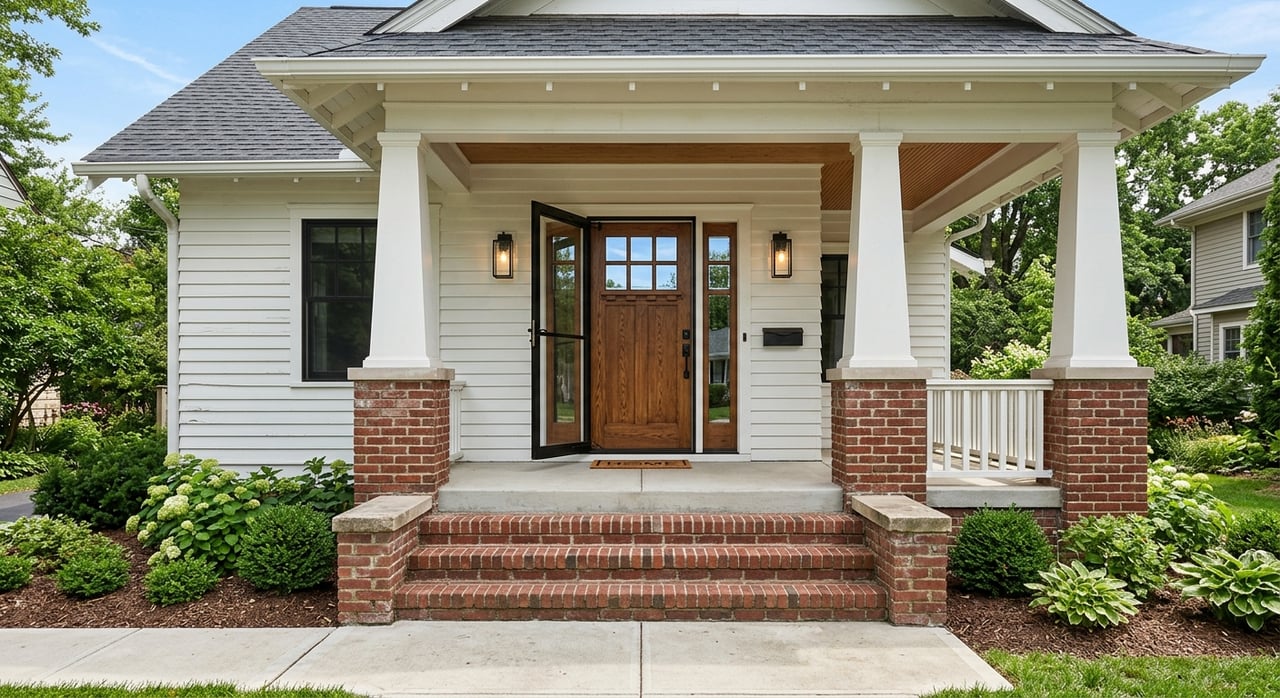
Choosing between a historic home and a new construction home in Grapevine is not just about age. It is about how you want to live, what kind of upkeep you are comfortable with, and how much flexibility you want when it comes to future changes. In a city where historic character and modern suburban living both play a big role, your decision can shape your day-to-day experience for years to come. This guide will help you compare both options in Grapevine so you can move forward with more clarity. Let’s dive in.
Grapevine offers two distinct paths
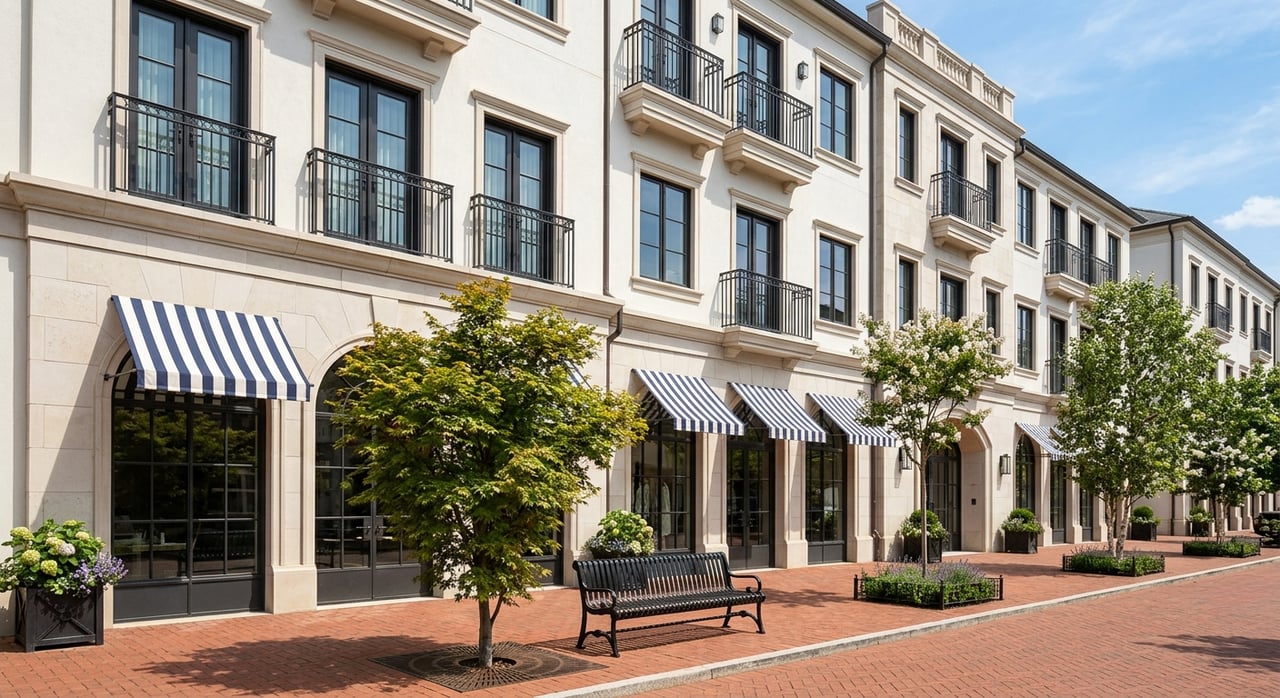
Grapevine stands out because it blends a preserved historic core with a broader suburban housing market. The city has a Historic Township District, five local historic districts, and individual landmarks, while Historic Main Street remains a walkable downtown area with restaurants, winery tasting rooms, live entertainment, shops, and the historic railroad.
At the same time, Grapevine is also a relatively high-value housing market. Census QuickFacts lists the median owner-occupied home value at $493,100 and the median household income at $111,376. That makes the choice between historic and new construction especially important, since you are likely making a significant investment either way.
What historic means in Grapevine
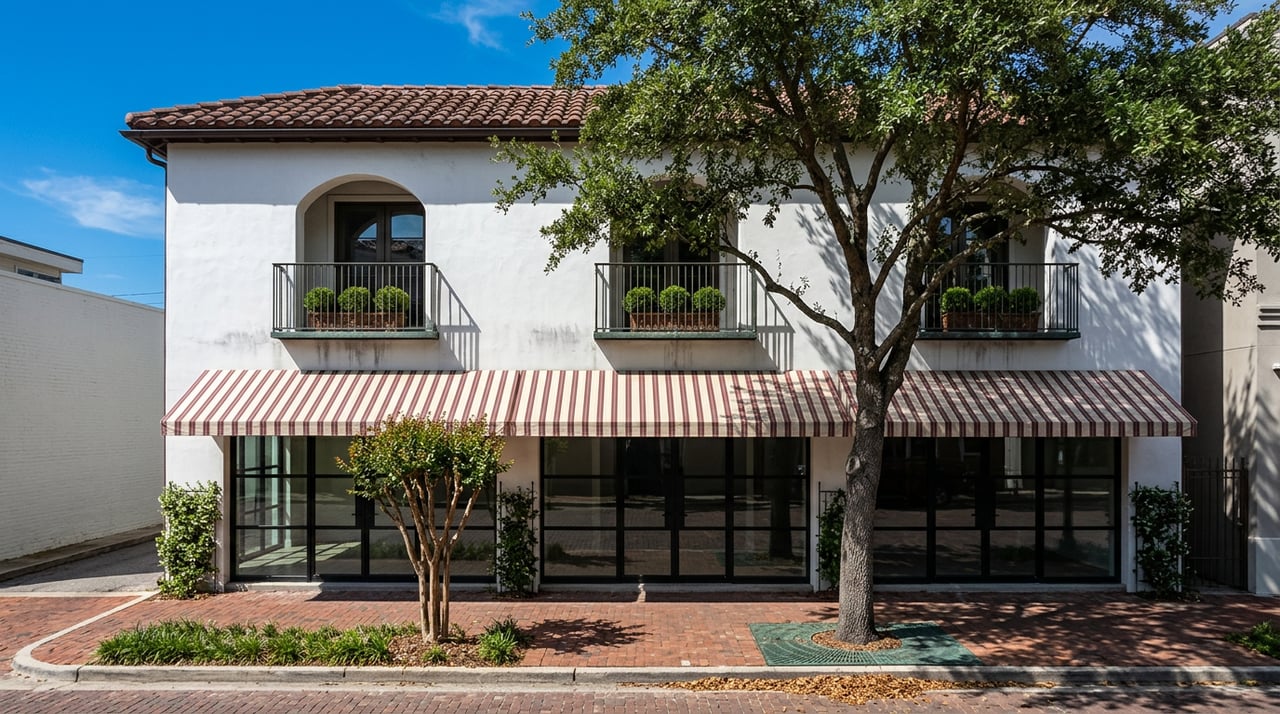
In Grapevine, “historic” is more than a style label. The city’s historic setting reflects building traditions that date back to the 1840s, with Main Street shaped by details such as brick facades, parapets, double-hung windows, porches, canopies, and pedestrian-scaled streetscapes.
The biggest difference for buyers is local designation. If a home is in one of Grapevine’s local historic districts or is a designated landmark, exterior changes must follow district design guidelines and go through a Certificate of Appropriateness review. A National Register listing by itself does not trigger the city’s exterior review process.
There is also a newer rule for infill and additions in historic residential areas. Grapevine adopted the Grapevine Pattern Book on June 17, 2025, to guide new construction and additions in the Historic Township District toward forms and styles that fit the area’s historic character.
Why buyers are drawn to historic homes
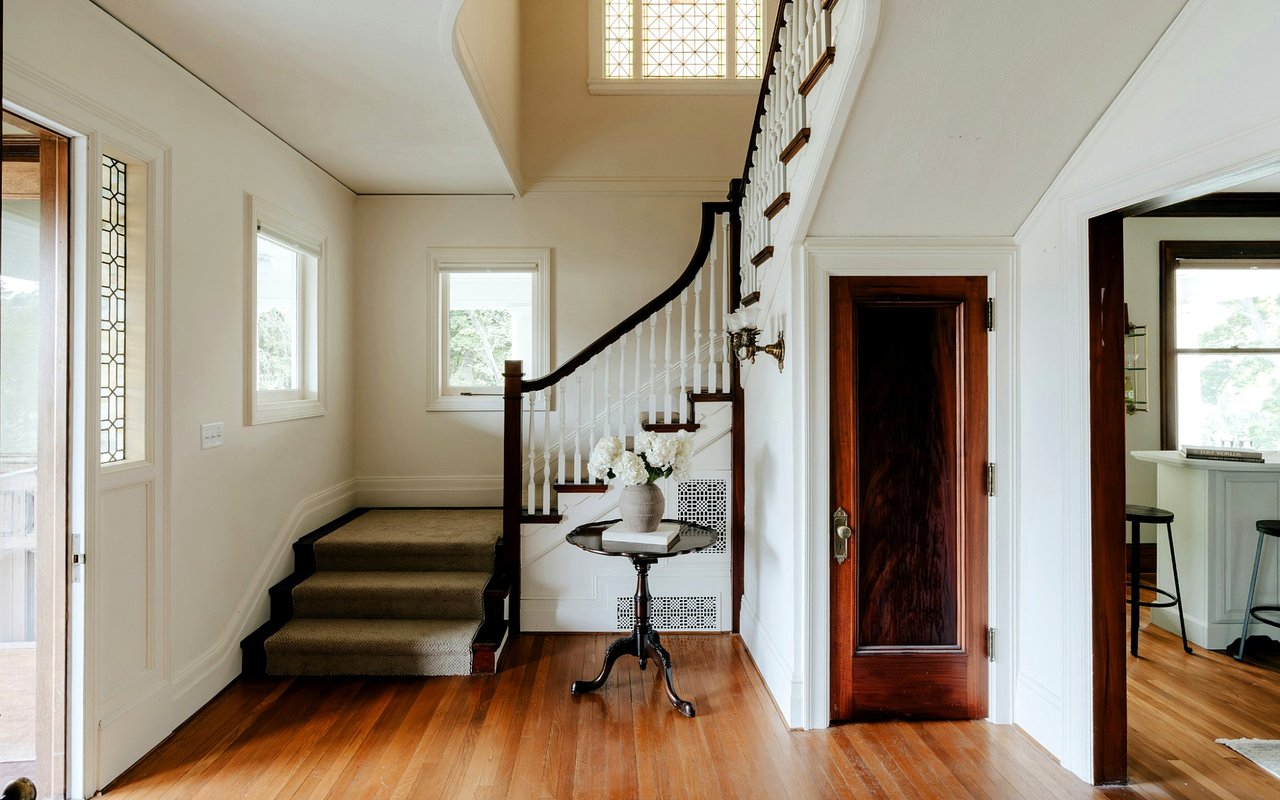
Historic homes in Grapevine often offer a stronger sense of place than newer properties. The city’s preservation approach focuses on original materials, period character, porch patterns, roof shapes, and other defining details rather than trying to make every property look the same.
For many buyers, the location is just as appealing as the architecture. Historic Main Street is known for its walkable setting, with boutiques, restaurants, wineries, art galleries, the Grapevine Vintage Railroad, and the Palace Arts Center nearby.
Some buyers also appreciate the availability of preservation incentives. According to the city, owners in historic districts may have access to free architectural design assistance, and the Township Revitalization Project offers matching grants for exterior revitalization of historic homes, including up to $10,000 for owner-occupied homes.
Historic styles you may see
The Pattern Book encourages residential styles that were common in the Township, including:
- Folk Victorian
- Queen Anne
- Arts & Crafts/Bungalow
- Prairie
These homes can appeal to buyers who want architectural detail and a home that feels tied to Grapevine’s local history.
What to expect with a historic home
Historic ownership usually comes with more rules and more planning. In Grapevine’s historic districts, the city requires approval before certain exterior alterations, demolition, or new construction. Covered changes can include paint colors, doors, windows, siding, light fixtures, landscaping, and more.
That does not mean historic ownership is a bad fit. It simply means you should expect a more guided process if you want to make visible updates. If you enjoy preserving character and do not mind working within design standards, that tradeoff may feel worthwhile.
Maintenance is another key part of the equation. Grapevine’s preservation standards favor repair and restoration over replacing original materials whenever possible, and that can affect both cost and project timing.
Older homes may also require more attention to comfort and safety. The U.S. Department of Energy notes that many older homes have less insulation than homes built today, and homes built before 1978 are more likely to contain lead-based paint if paint is deteriorating or disturbed during renovation.
Why buyers consider new construction
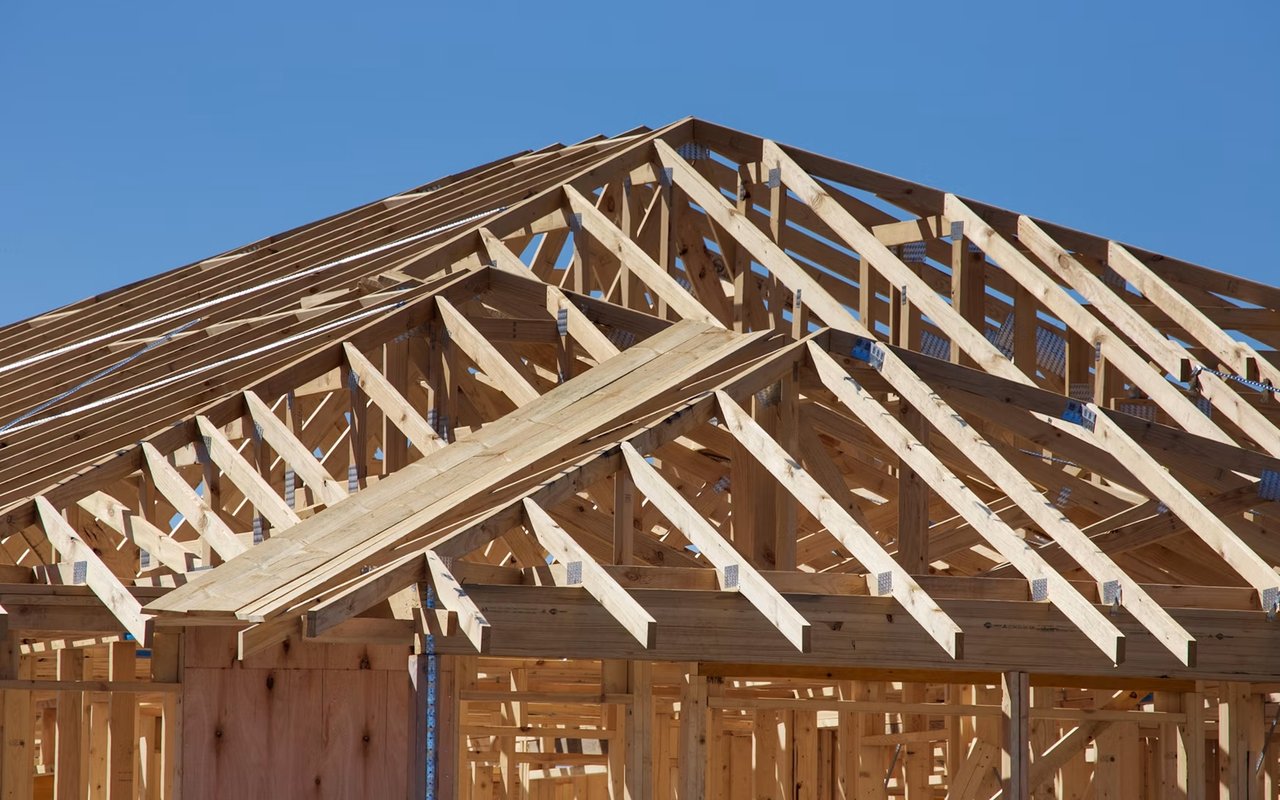
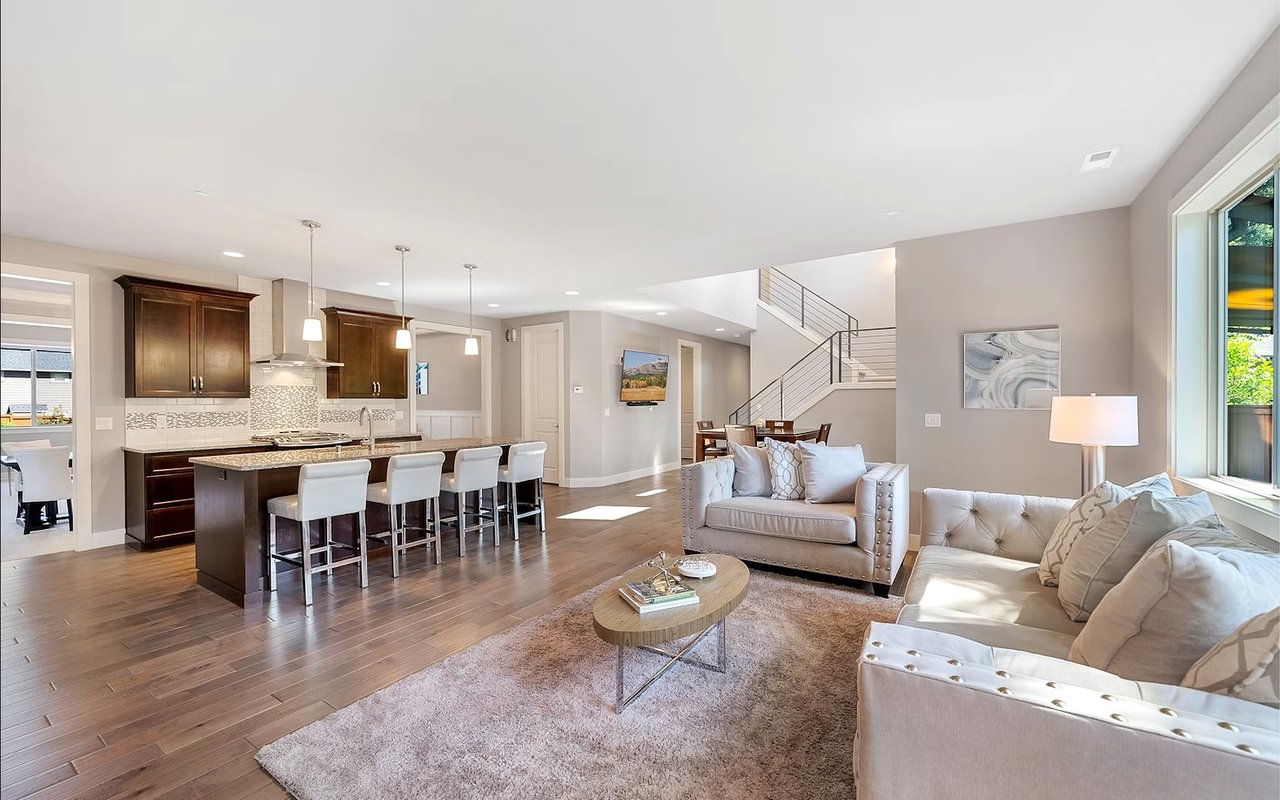
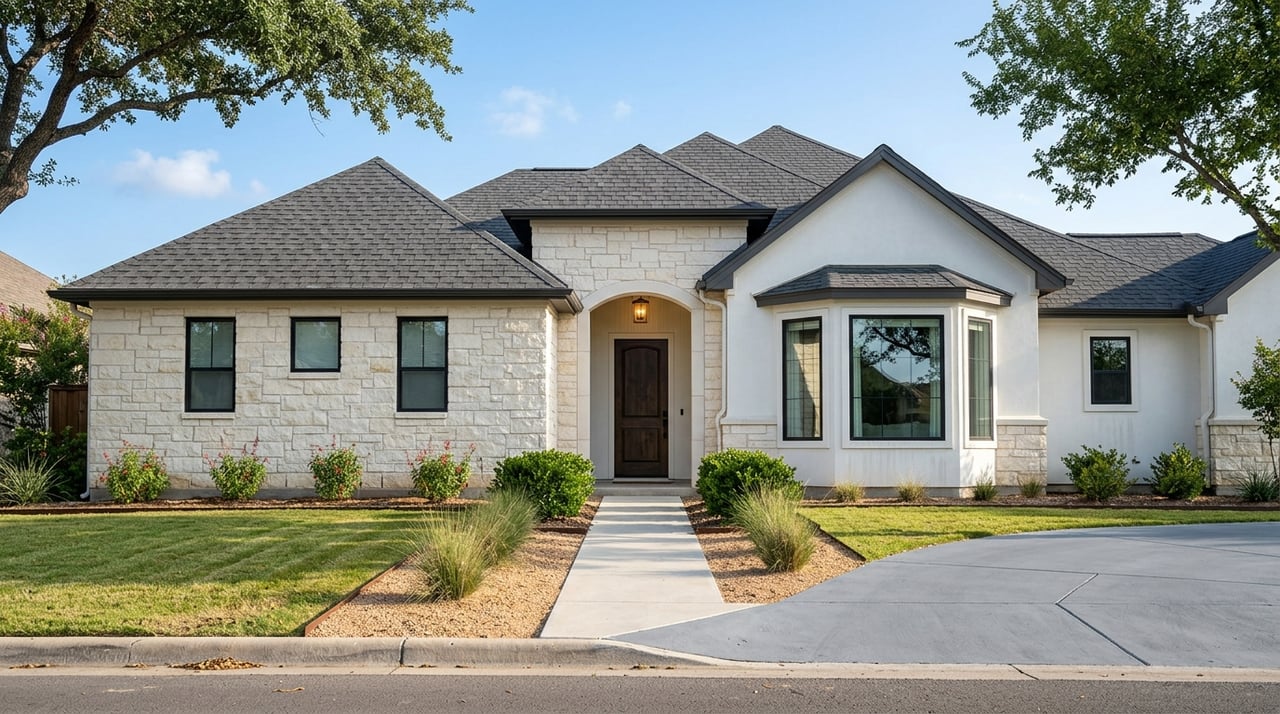
New construction usually appeals to buyers who want a more turnkey experience. In many cases, newer homes offer better energy performance, newer systems, and fewer immediate repair priorities.
Energy efficiency is a major reason buyers lean toward new homes. ENERGY STAR notes that certified new homes must meet strict energy-efficiency requirements, and the Department of Energy says minimizing air leakage is a key part of an energy-efficient home because leakage can account for a large share of heating and cooling costs.
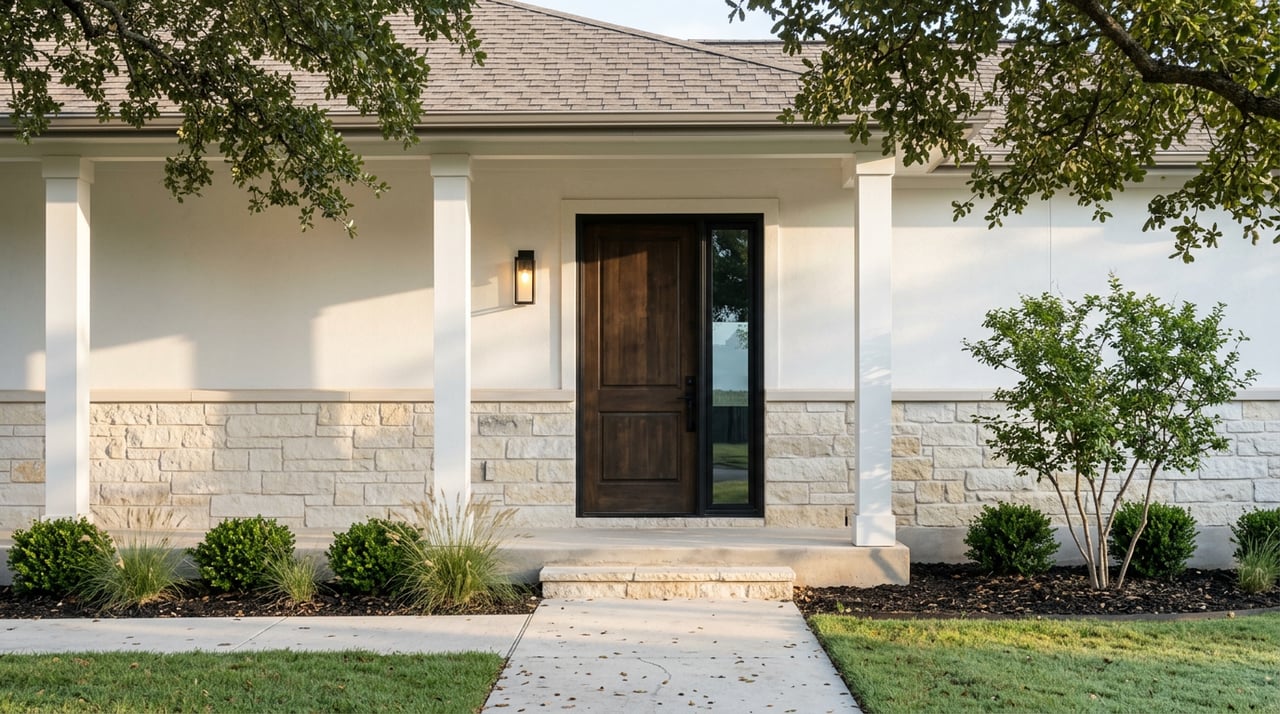
Newer exterior doors, air sealing, and insulation can also improve comfort and durability. For you as a buyer, that often means a home that feels more predictable in the near term, both in maintenance and utility performance.
New construction may also reduce some of the concerns that can come with older homes. For example, it avoids pre-1978 lead-paint risk and is less likely to need major insulation or air-sealing improvements right away.
New construction still has local context
If you are shopping near Grapevine’s protected historic areas, new construction does not mean complete design freedom. The city’s design guidelines say new buildings in historic contexts such as Main Street and College Street must be compatible with nearby historic buildings.
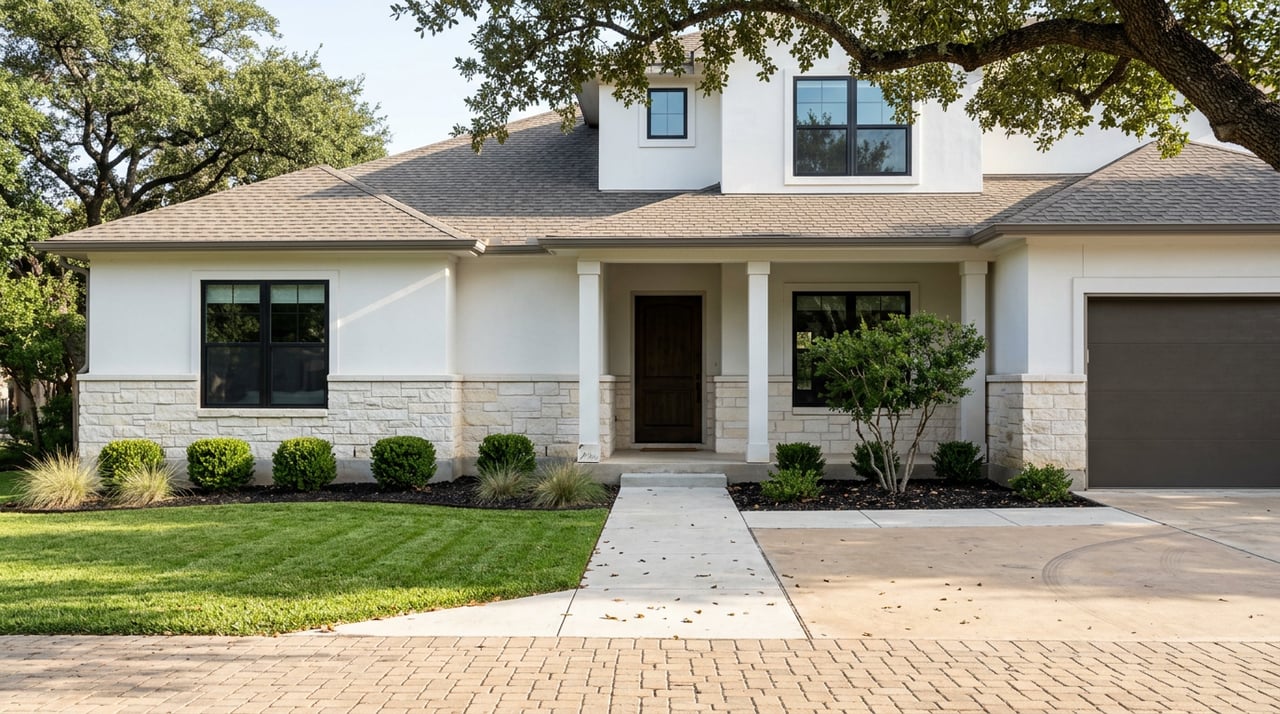
In the Historic Township District, the Pattern Book says new residential work should follow local historic forms and quality standards without copying old homes exactly. That means a newer home in a historic setting may still be shaped by scale, massing, and design expectations that support the surrounding streetscape.
This local nuance matters if you are considering building, buying newer infill, or planning future additions. In some parts of Grapevine, even a brand-new home is part of a broader architectural conversation.
Comparing total ownership experience
The better choice often comes down to your priorities. In Grapevine, the decision is less about whether one home type is better and more about which one fits your lifestyle, budget planning, and expectations.
| Factor | Historic Home in Grapevine | New Construction in Grapevine |
|---|---|---|
| Character | Often rich in original detail and local architectural identity | Usually cleaner-lined and more modern in function |
| Location feel | Often tied to walkable historic areas near Main Street | More likely to offer a suburban feel, depending on location |
| Exterior changes | May require city review in local historic districts | Generally more flexibility, unless in a protected historic area |
| Maintenance | May require more repair planning and preservation-minded work | Often fewer near-term repairs and newer systems |
| Energy performance | Older homes may need insulation or air-sealing upgrades | Typically stronger efficiency from the start |
| Renovation timeline | Can be less predictable because of approvals and preservation standards | Often more straightforward, depending on location and scope |
Which buyers may prefer historic homes
A historic home may be a strong fit if you value architectural character and a close connection to Grapevine’s downtown environment. You may also appreciate the experience of owning a home with original details and a visible place in the city’s story.
This option can work well if you are comfortable with exterior review requirements and understand that upkeep may be more hands-on. Buyers who see charm, location, and long-term character as top priorities often find historic homes especially rewarding.
Which buyers may prefer new construction
A new construction home may be the better fit if you want energy performance, a more predictable maintenance outlook, and a more flexible day-to-day ownership experience. It can also make sense if you prefer modern layouts and want fewer immediate projects after closing.
If you are relocating to Grapevine or balancing a busy work schedule, a turnkey home may offer welcome simplicity. For many buyers, that peace of mind is a major part of the value.
How to decide in Grapevine
Before you choose, focus on four practical questions:
- Do you want historic character or modern efficiency?
- How important is walkability to Main Street and downtown amenities?
- Are you comfortable with preservation review for exterior changes?
- Do you want a home that may need more planning now, or one that may feel more turnkey from day one?
In Grapevine, this is a lifestyle decision as much as a real estate decision. The right choice depends on how you want your home to function, how you want it to feel, and how involved you want to be in future updates.
Whether you are drawn to a character-filled home near Historic Main Street or a newer property with modern systems and comfort, local insight makes a real difference. For tailored guidance on buying or selling in Grapevine, connect with Sophie Tel Diaz Real Estate.
FAQs
What defines a historic home in Grapevine?
- In Grapevine, a home is meaningfully “historic” when it is part of a local historic district or is a designated landmark, because those properties are subject to city design guidelines and exterior review requirements.
What should buyers know about remodeling a historic home in Grapevine?
- If the home is in a local historic district, many exterior changes such as paint colors, windows, doors, siding, landscaping, demolition, and new construction may require city approval through a Certificate of Appropriateness process.
What are the benefits of buying a historic home near Main Street in Grapevine?
- Buyers often choose these homes for architectural character, a strong sense of place, and access to a walkable downtown area with shops, restaurants, wineries, galleries, entertainment, and the historic railroad.
Why do some buyers prefer new construction homes in Grapevine?
- New construction often offers better energy performance, newer systems, fewer immediate repair concerns, and a more turnkey ownership experience.
Can new construction homes in Grapevine still face design rules?
- Yes. In or near protected historic areas, new construction may need to follow city design guidelines so the home is compatible with the scale and character of the surrounding historic context.
How can buyers decide between a historic and new construction home in Grapevine?
- The decision usually comes down to lifestyle fit, total cost of ownership, renovation flexibility, maintenance expectations, and whether you value historic character or modern efficiency more.