If you are thinking about buying in Trophy Club, one thing matters more than almost anything else: not every part of town works the same way. Even in a compact community, lot sizes, HOA rules, gated access, taxes, and neighborhood feel can change from one enclave to the next. If you want to buy with confidence, it helps to understand how Trophy Club’s master-planned layout really works. Let’s dive in.
Why Trophy Club Feels Different
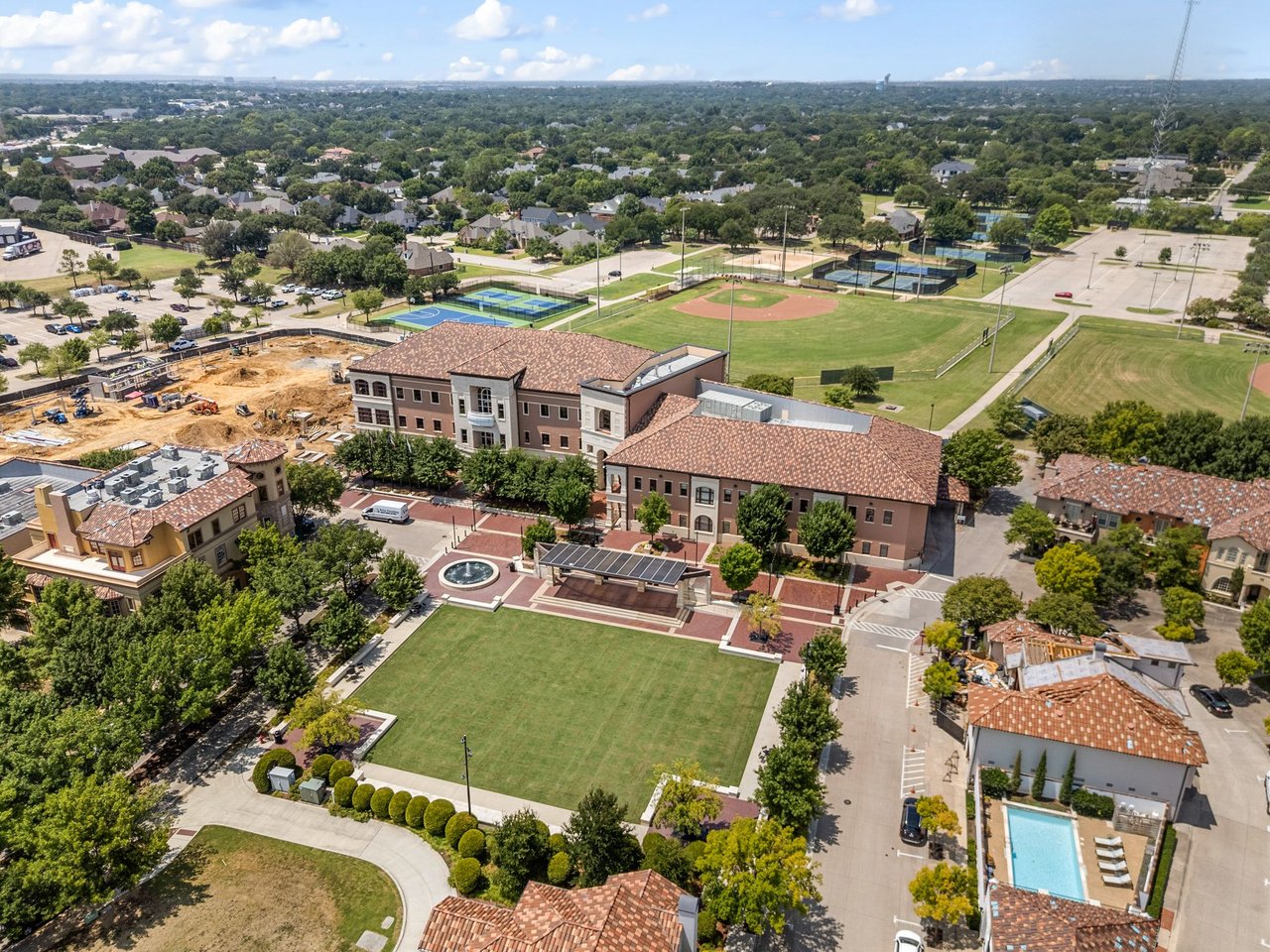
Trophy Club describes itself as Texas’ first master-planned community, and that long-planned identity still shapes the buying experience today. The town has more than 12,000 residents within about 4.2 square miles and includes more than 1,000 acres of parks along with 36 holes of golf.
That compact size can make the town feel cohesive, but your home search should still be highly specific. Trophy Club is better understood as a collection of distinct villages and sections rather than one single, interchangeable subdivision.
How the Master-Planned Design Affects Buyers
Trophy Club’s comprehensive land-use plan gives useful clues about what you can expect as a buyer. The plan prioritizes estate, low-density, and moderate-density residential patterns, with estate lots at about 15,000 square feet or more, low-density lots at about 12,000 square feet or more, and moderate-density lots at about 7,500 square feet or more.
Just as important, the plan does not propose new high-density residential areas. For you, that may mean a housing pattern that continues to emphasize detached homes, larger lots in many sections, and neighborhood layouts with open space or amenity-focused design.
The town also allows planned unit developments that can include smaller lots, common recreational areas, and gated access. That is one reason two homes in Trophy Club can offer very different day-to-day experiences, even if they are only a few minutes apart.
What Home Styles You Will See
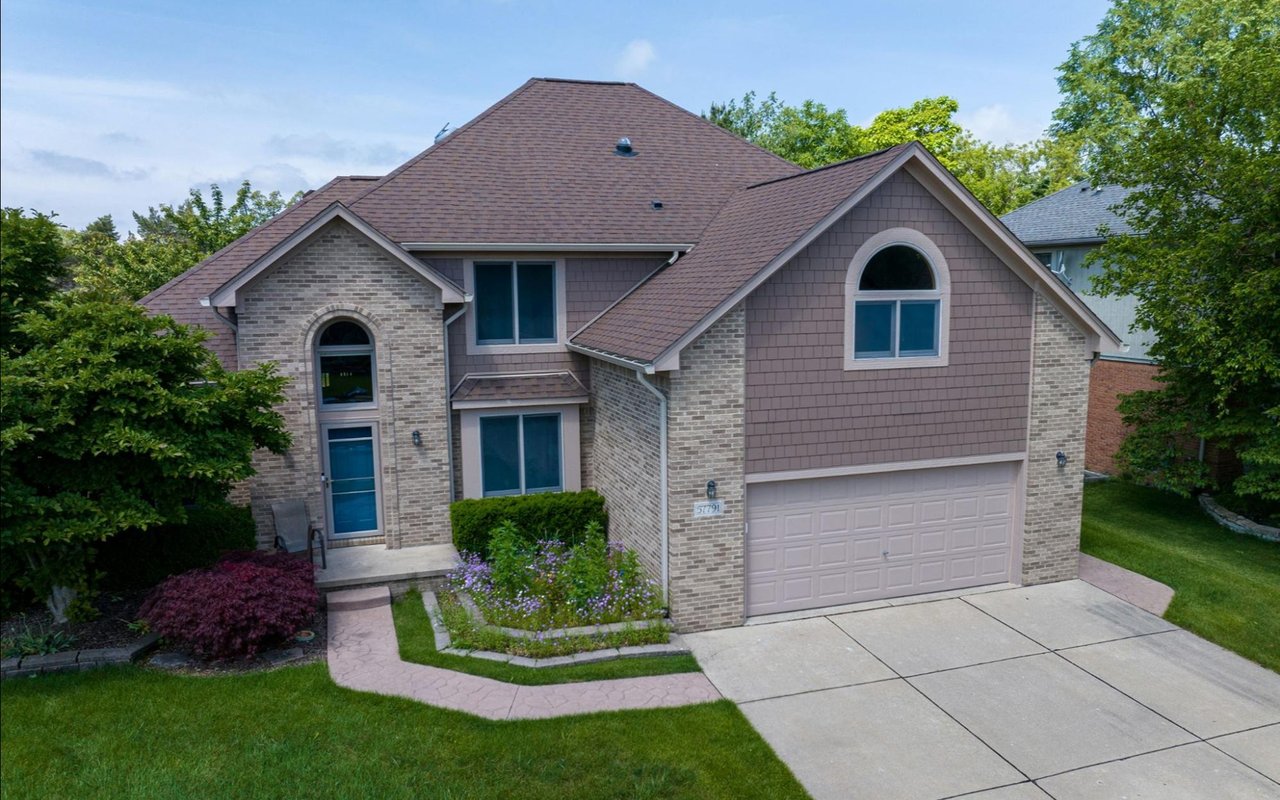
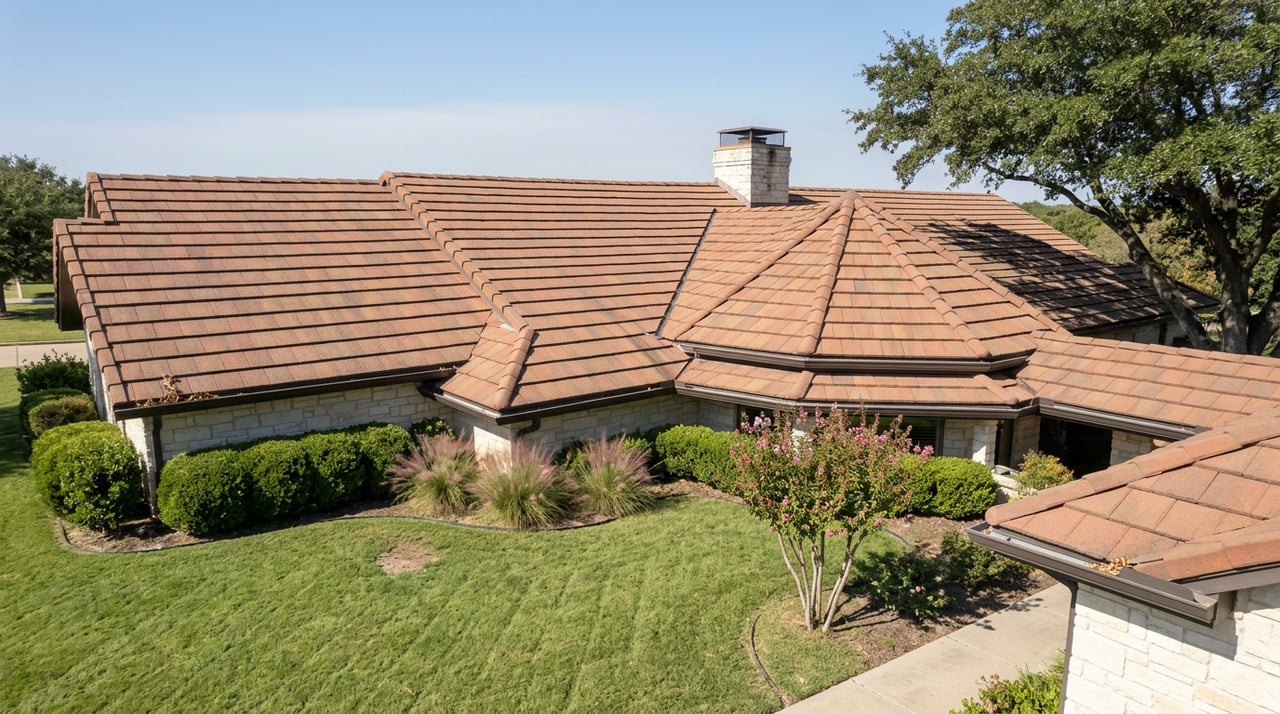
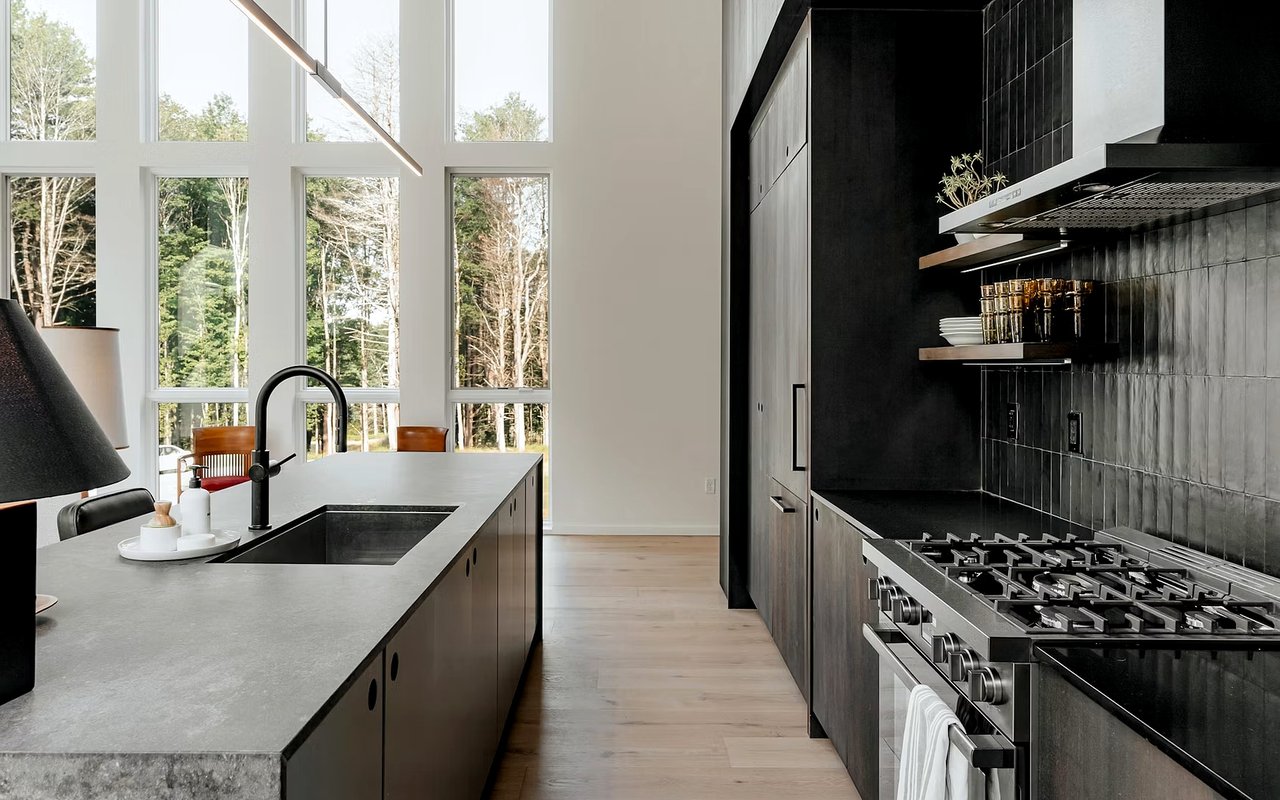
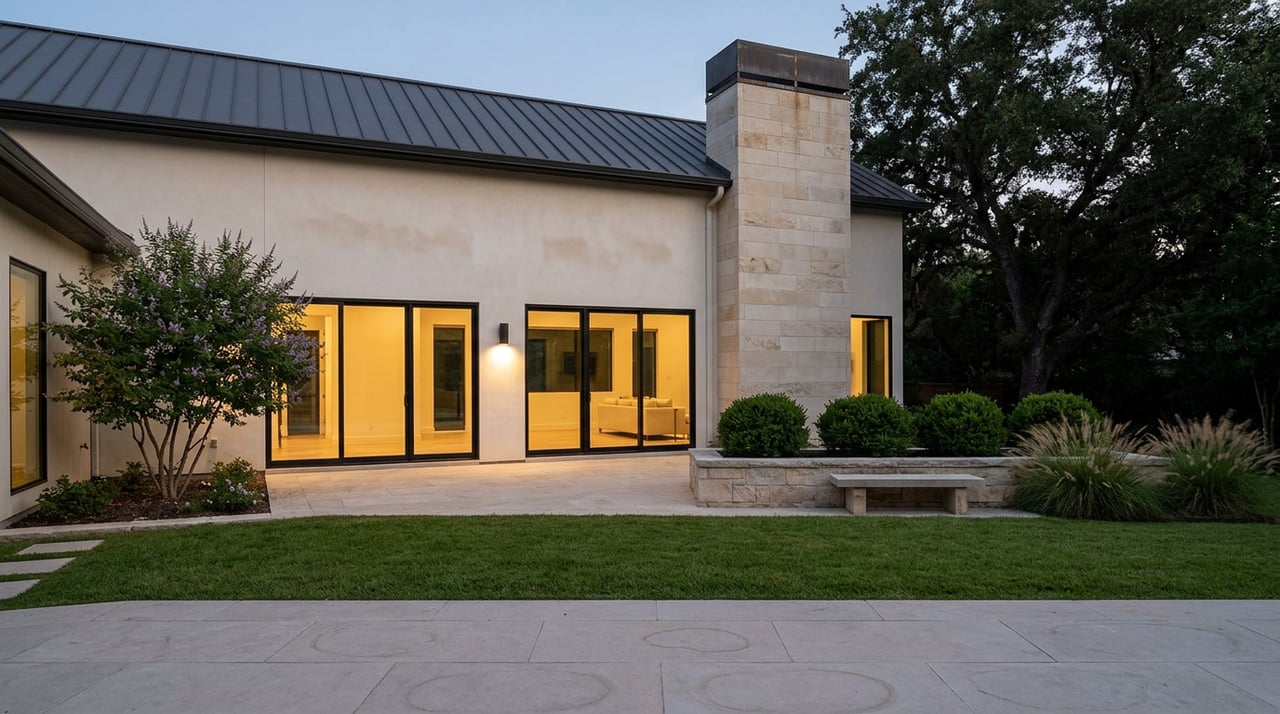
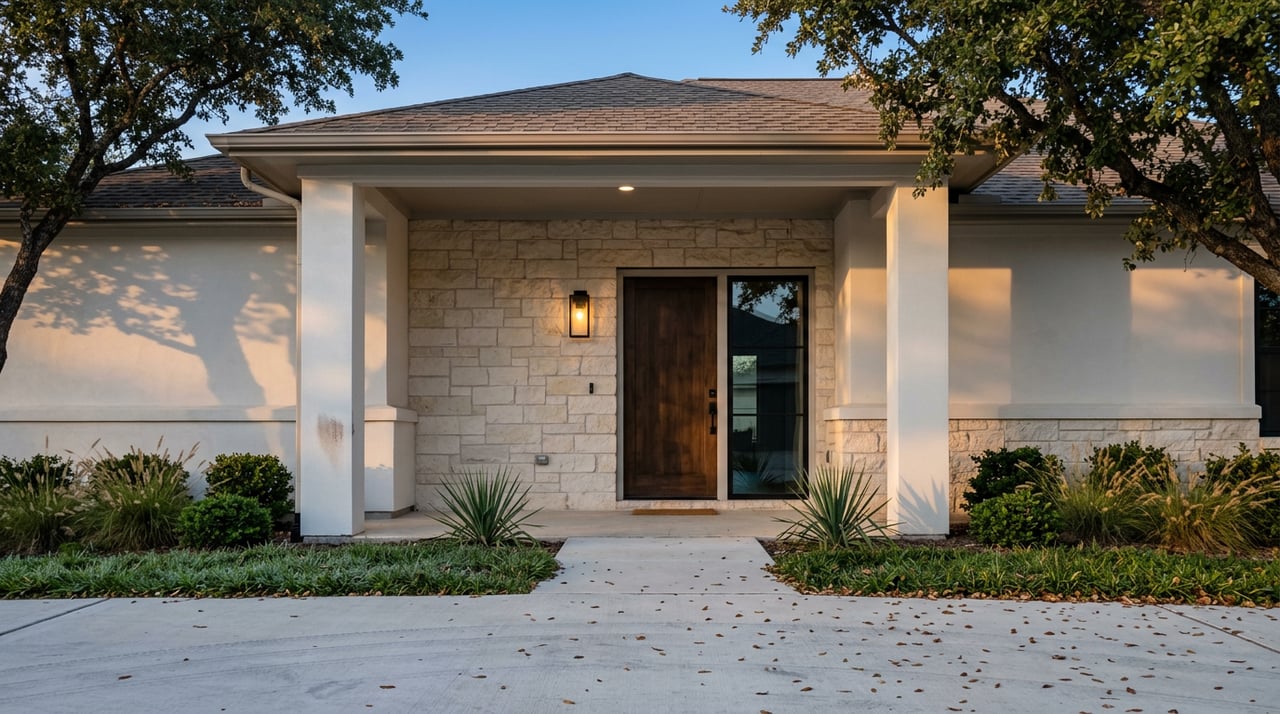
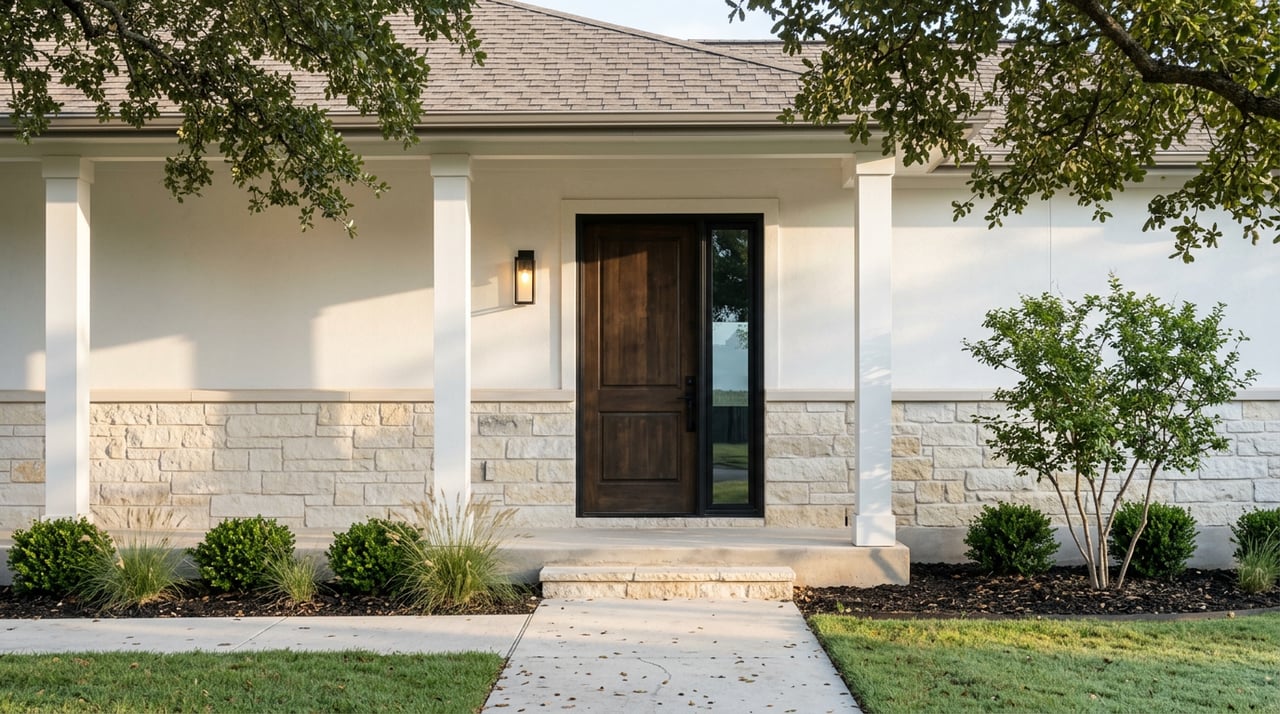
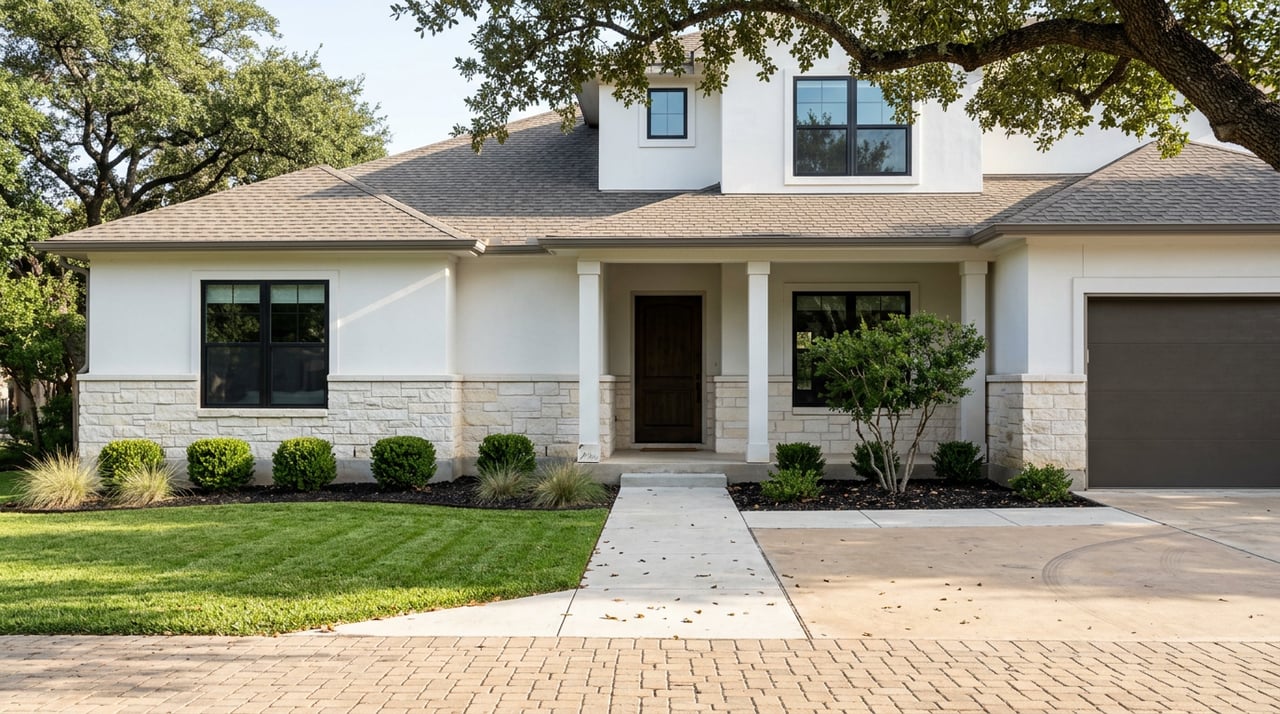
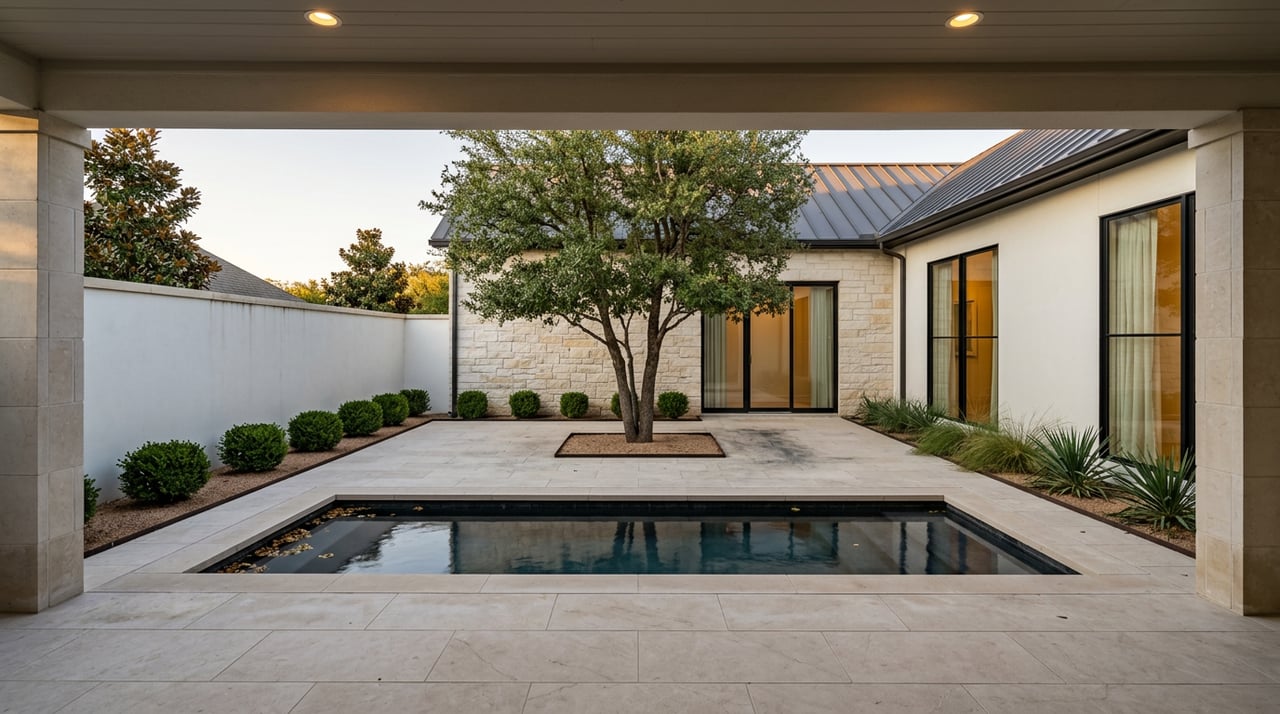
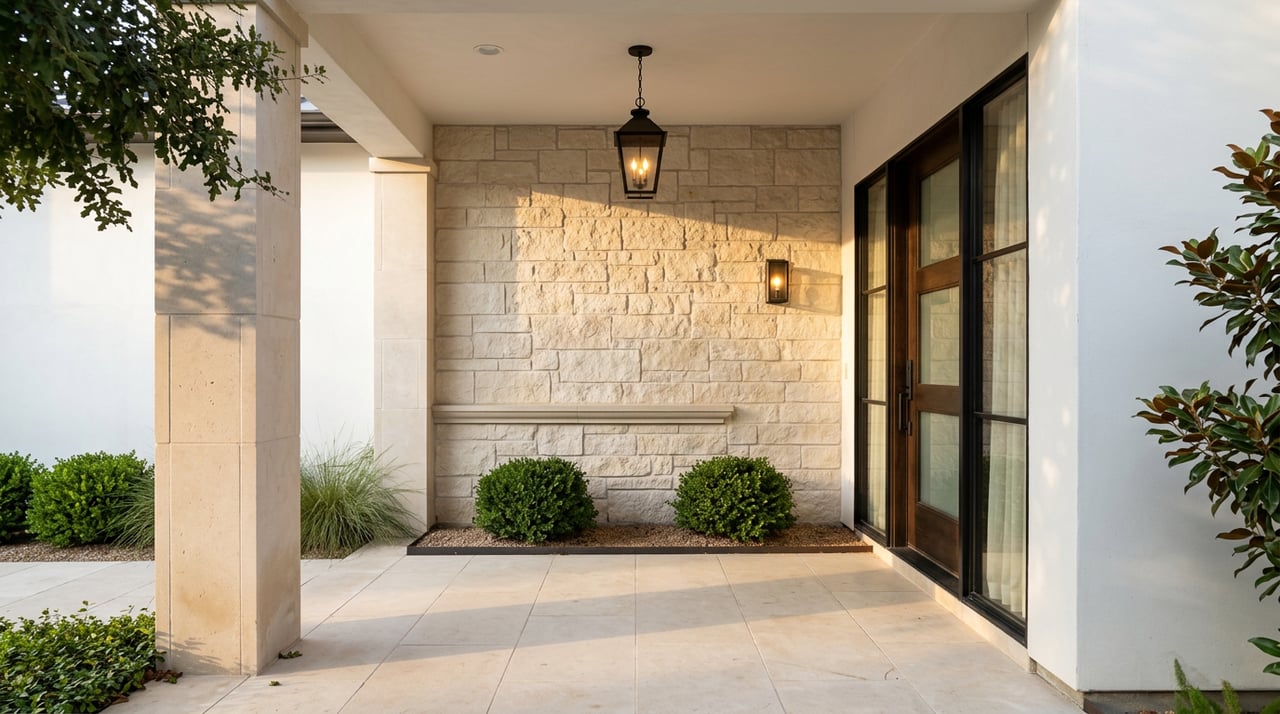
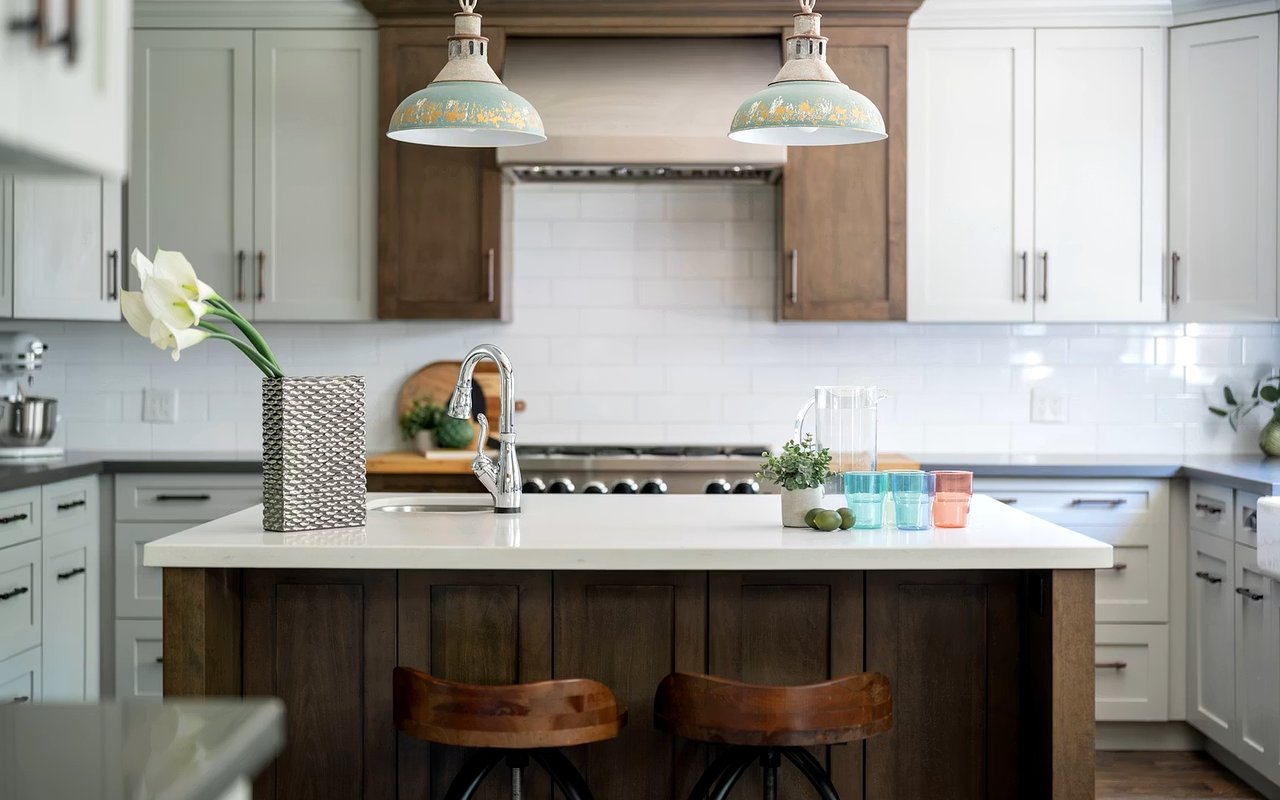
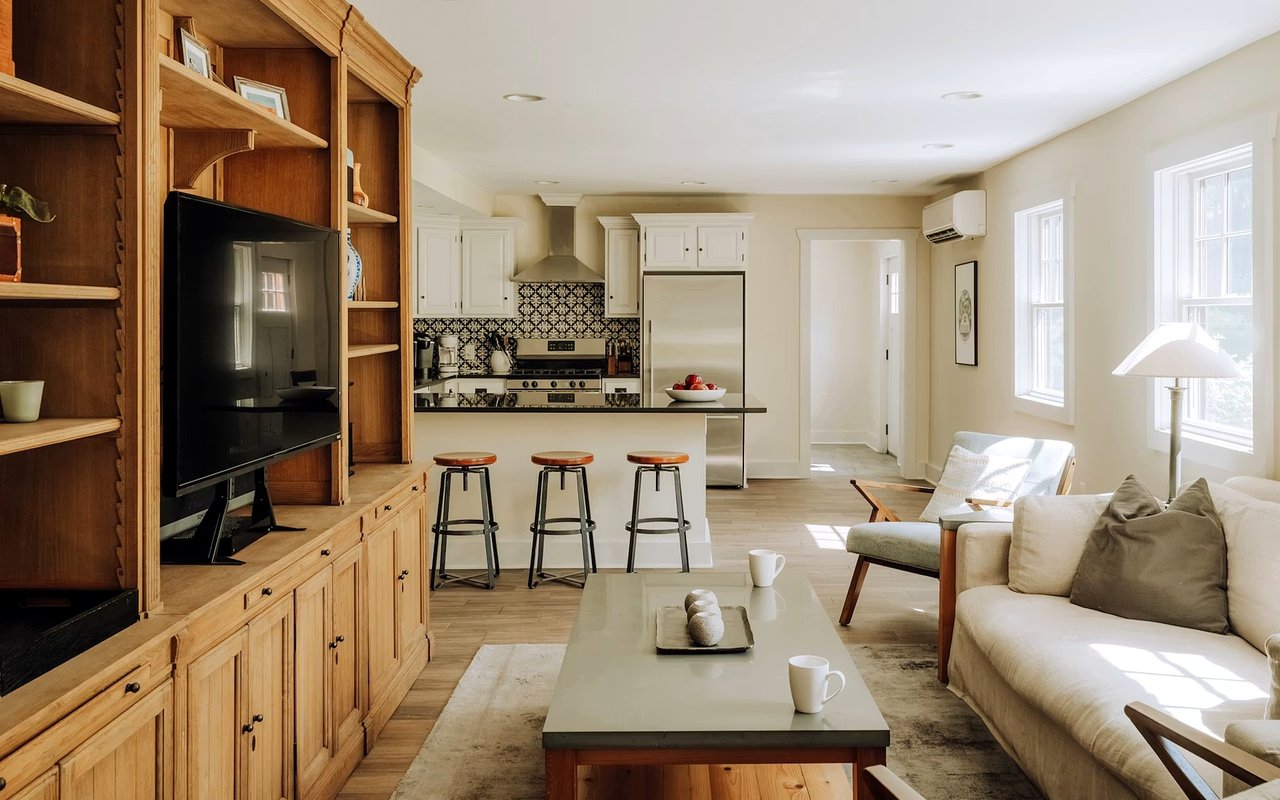
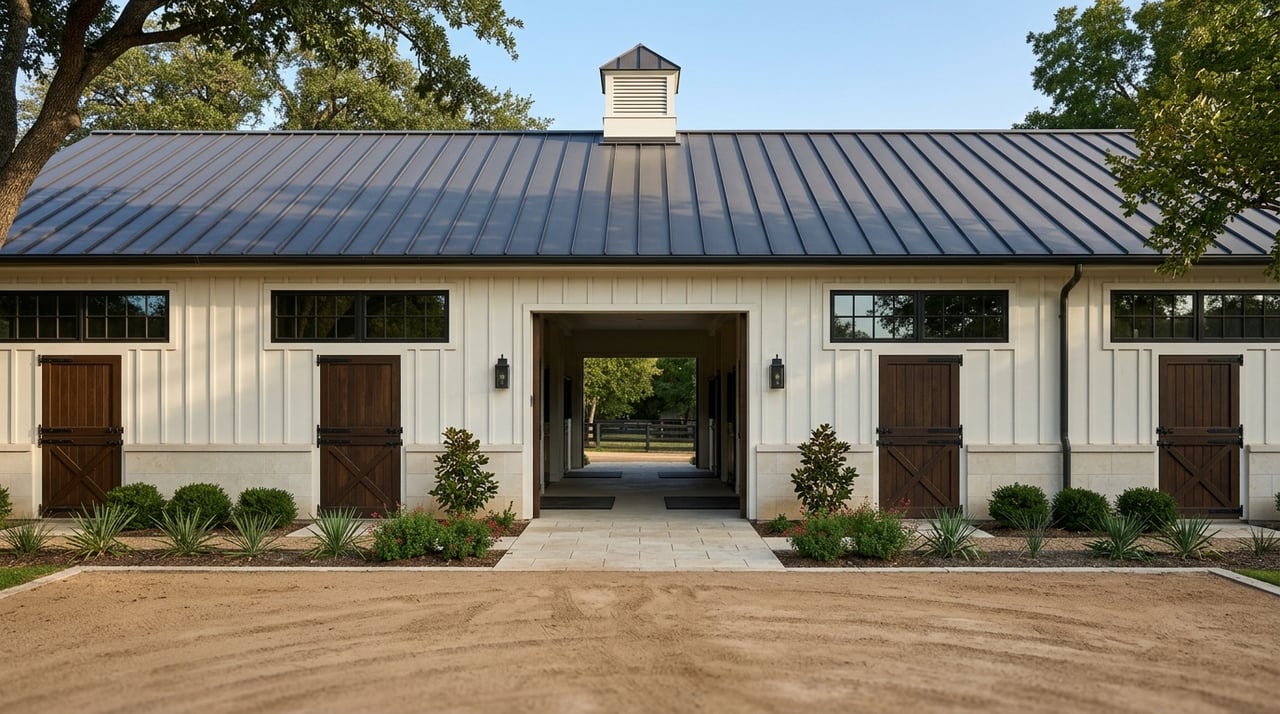
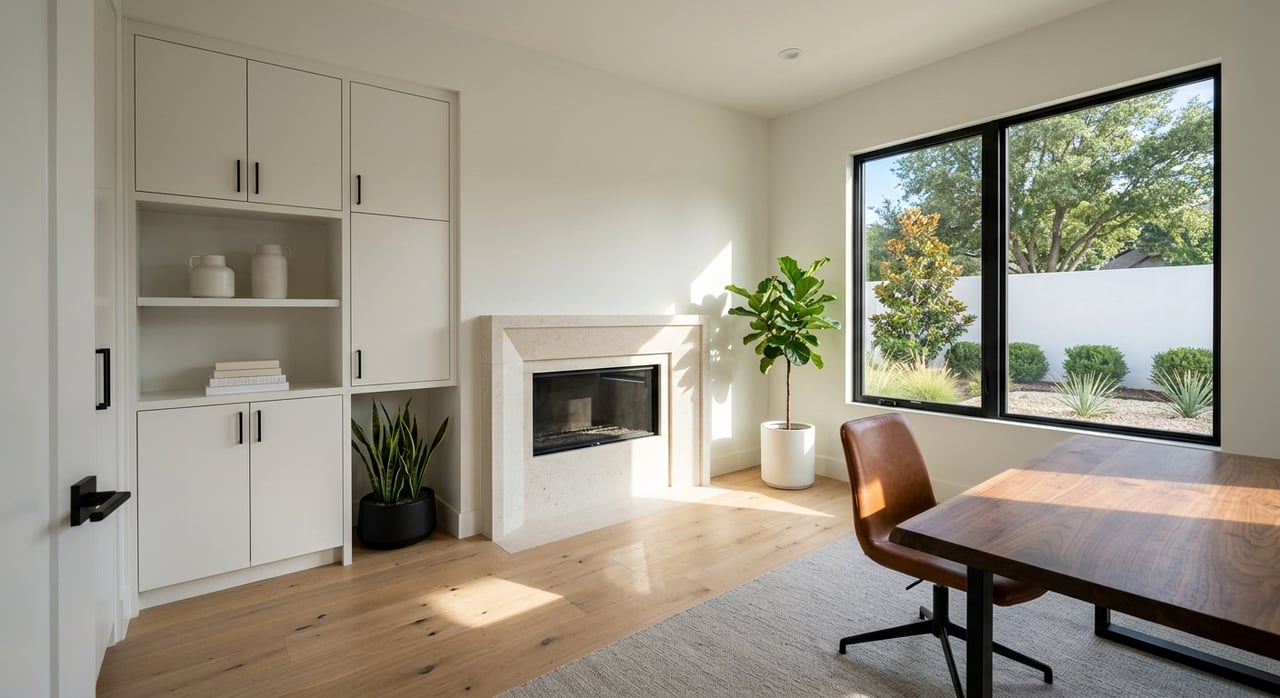
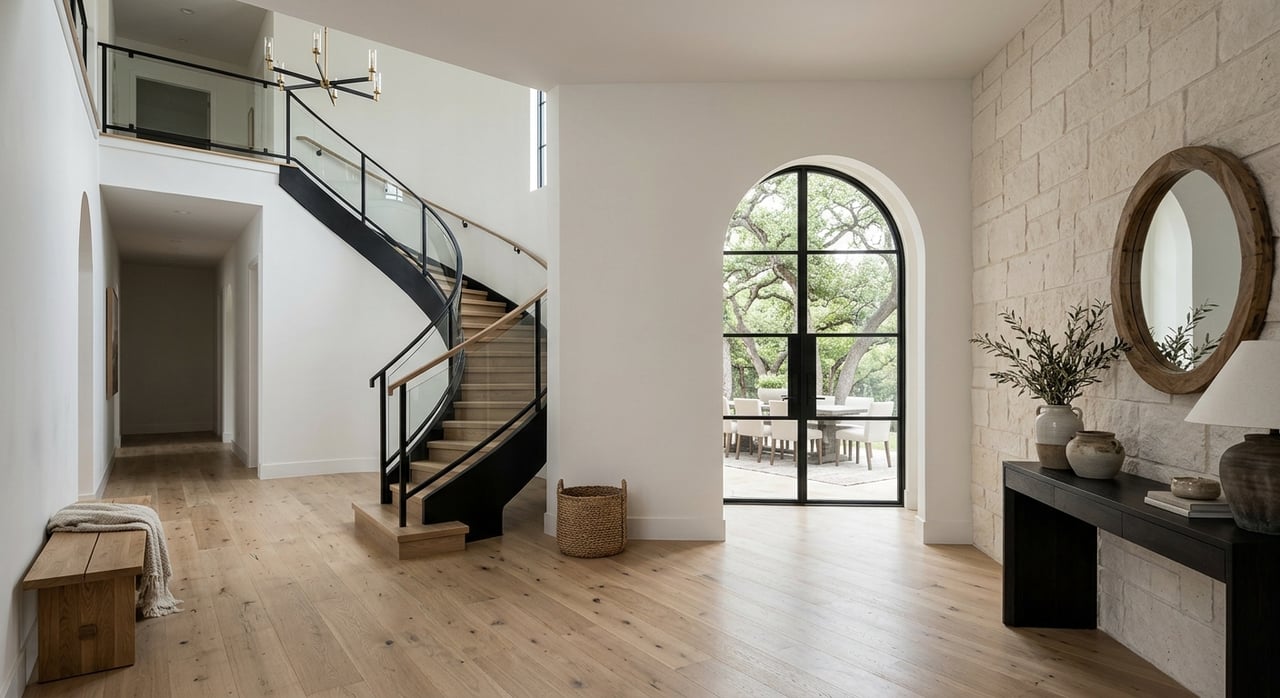
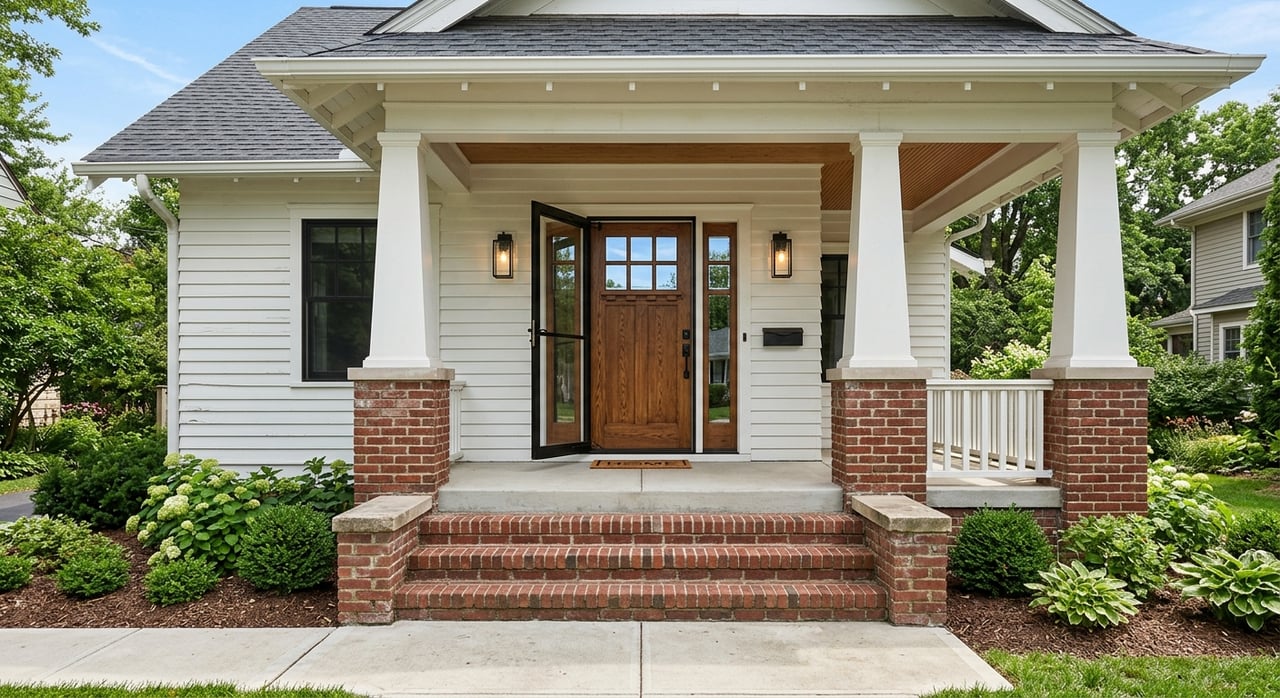
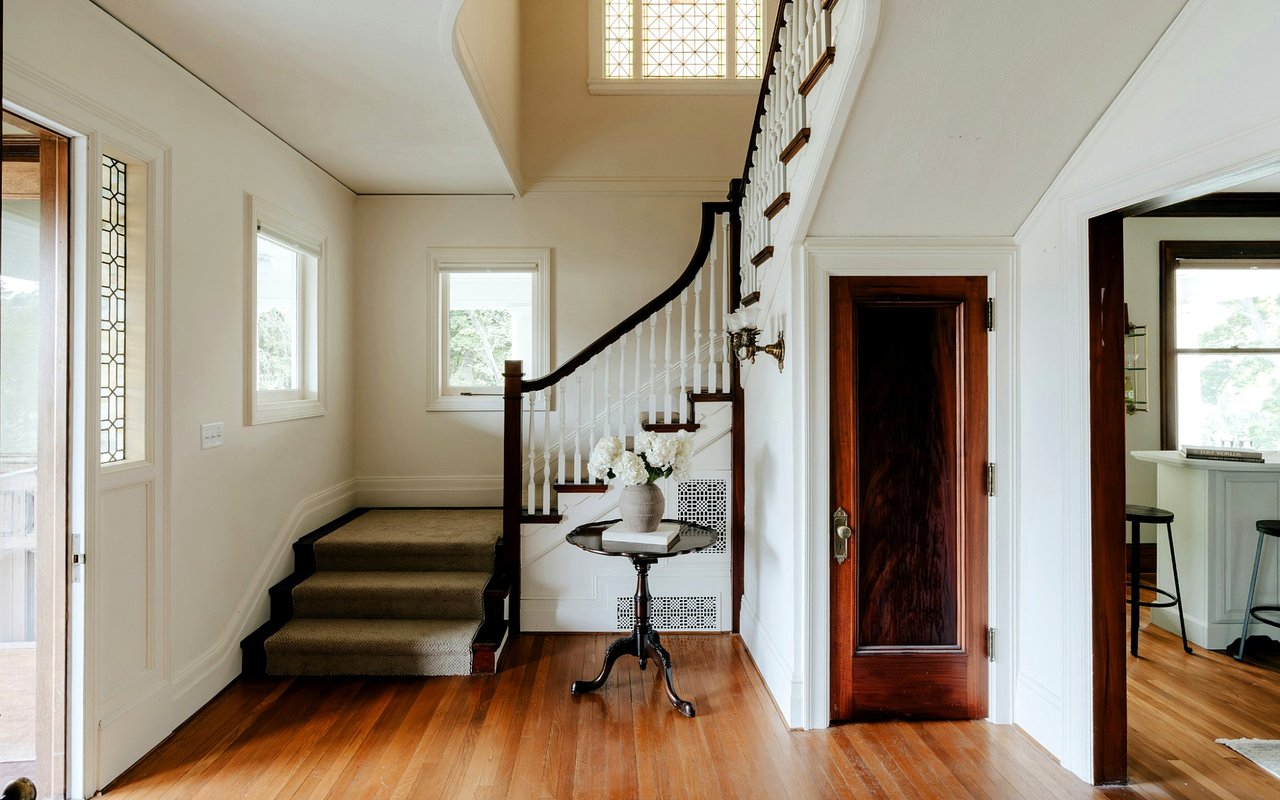
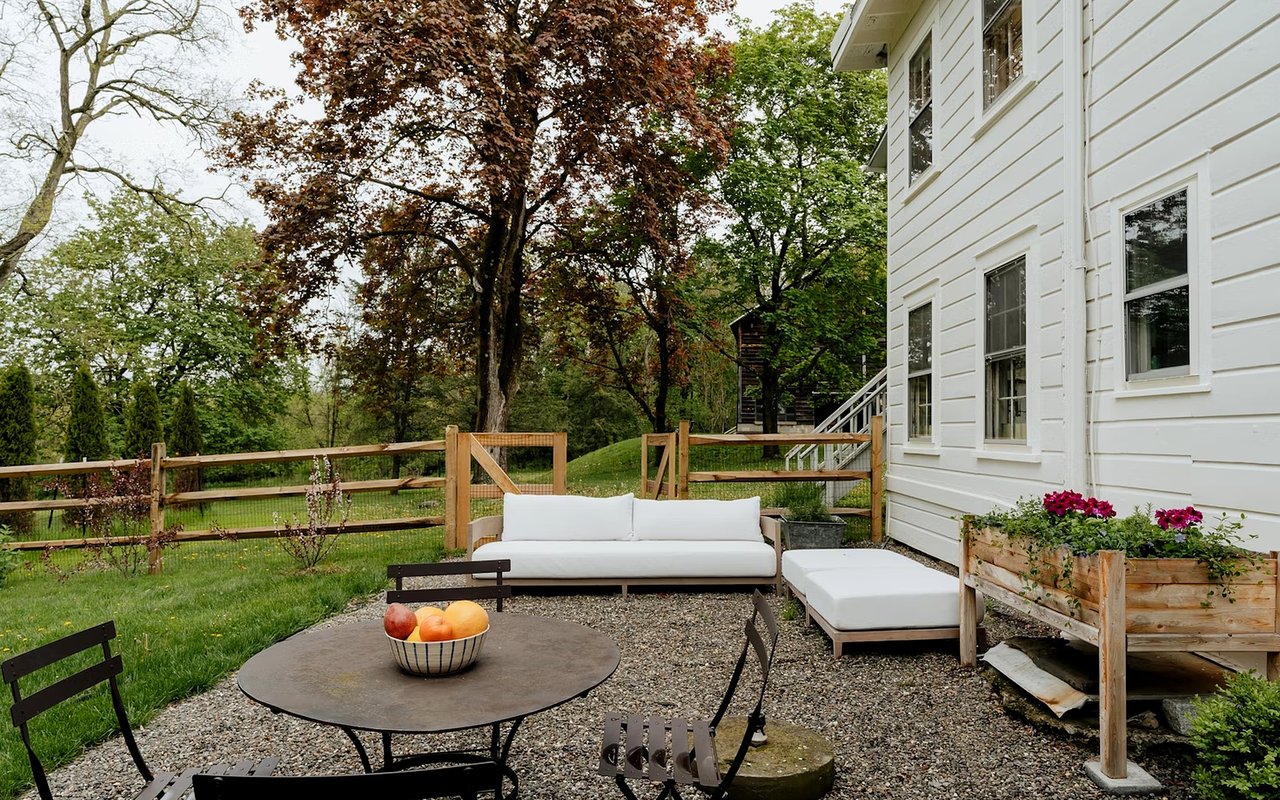
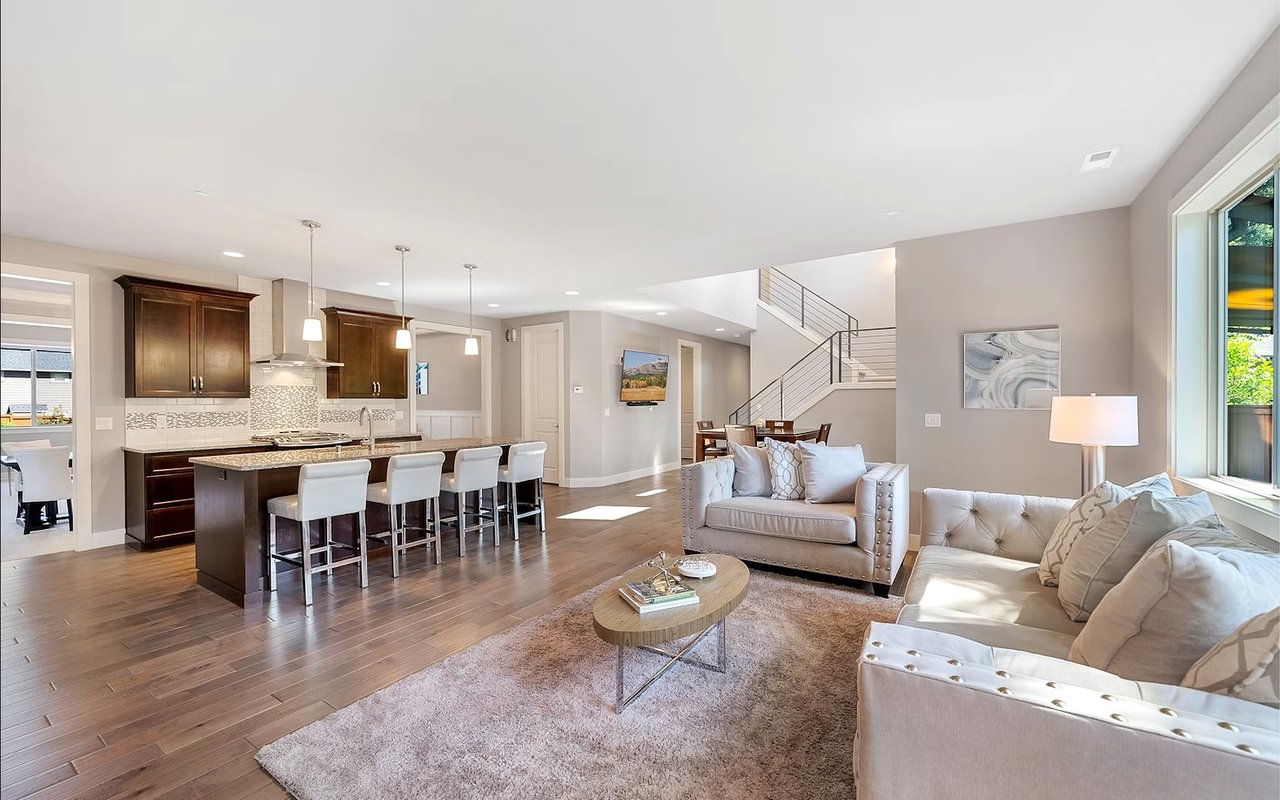
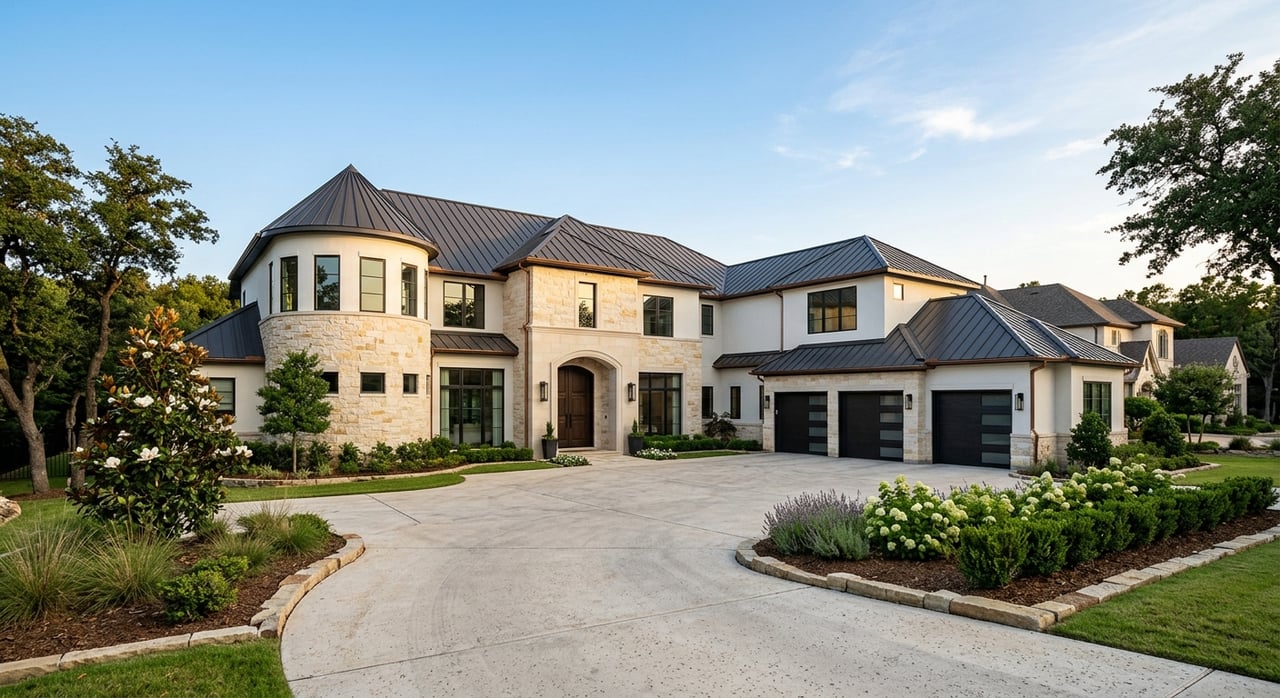
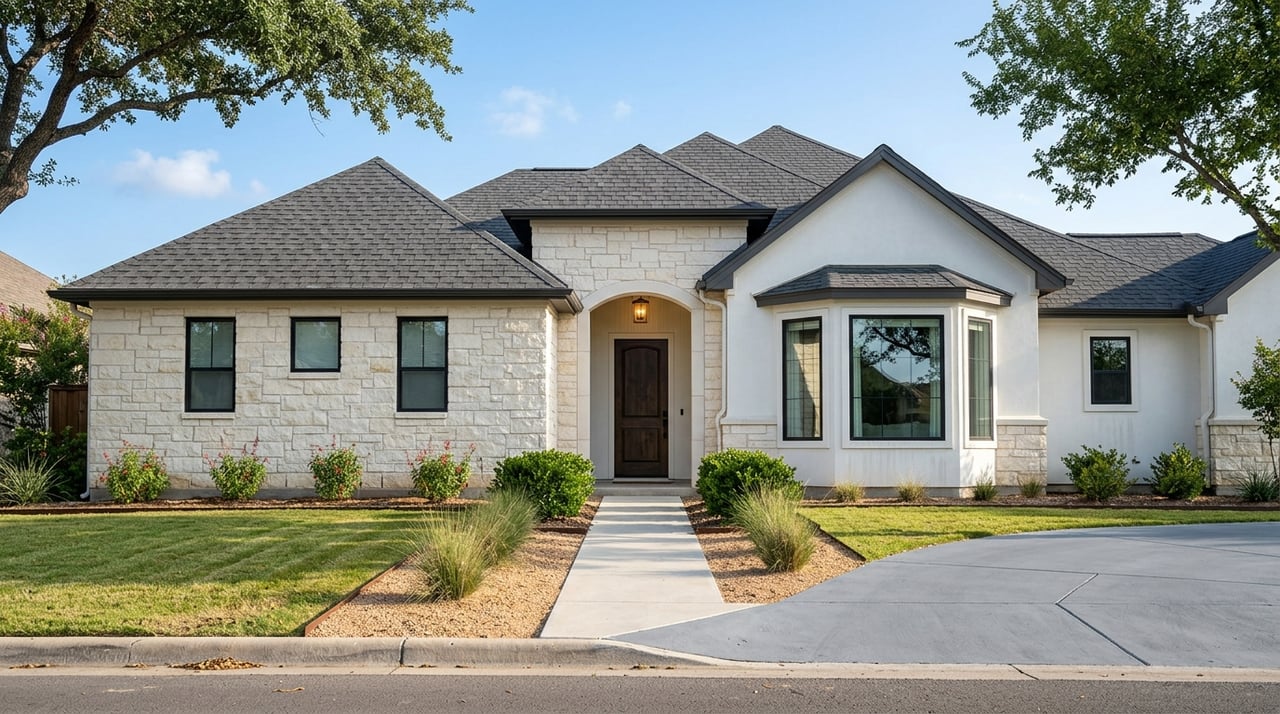
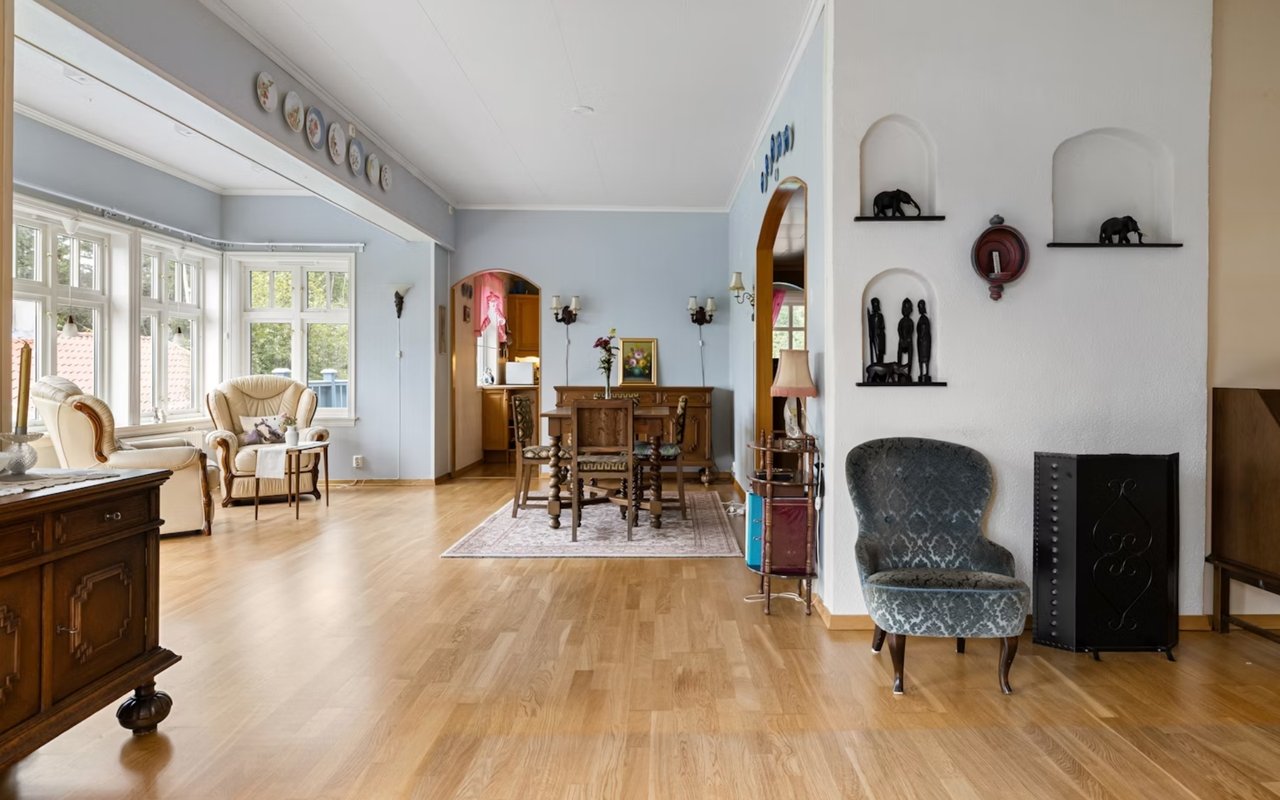
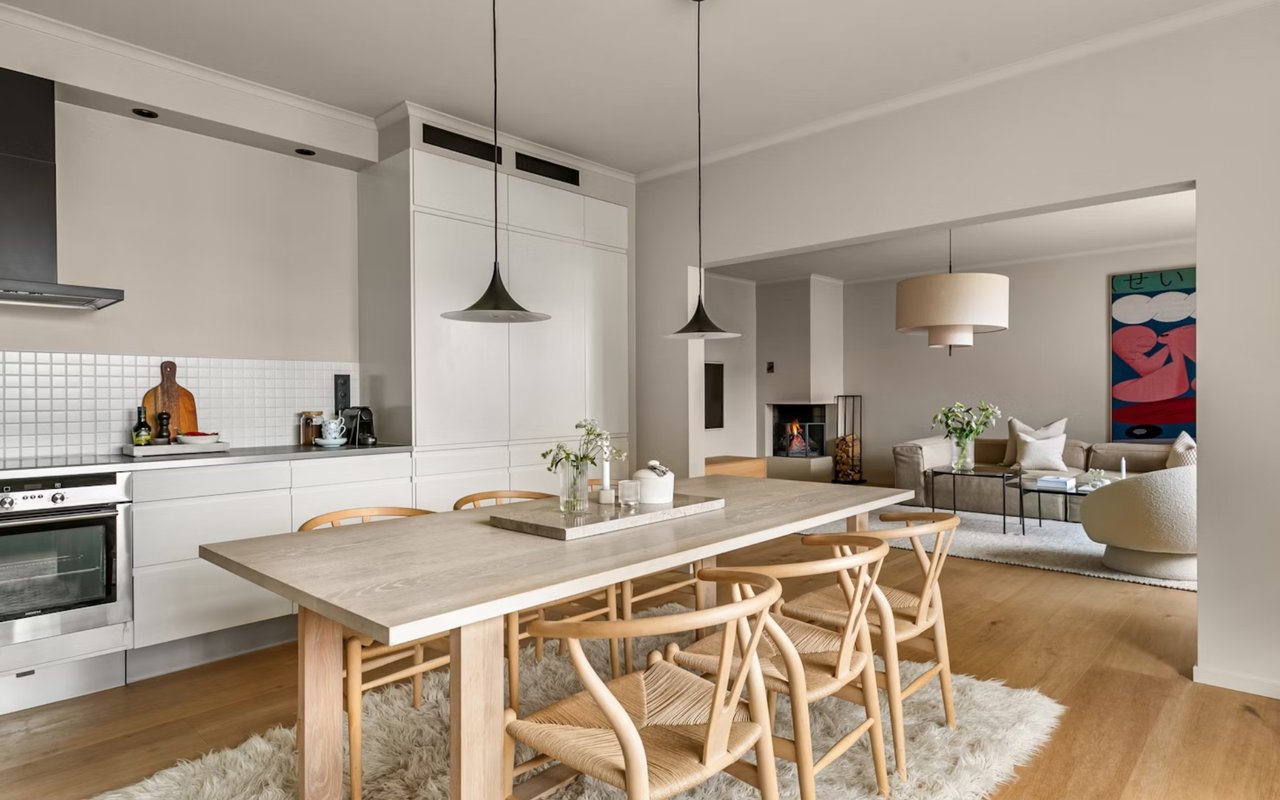
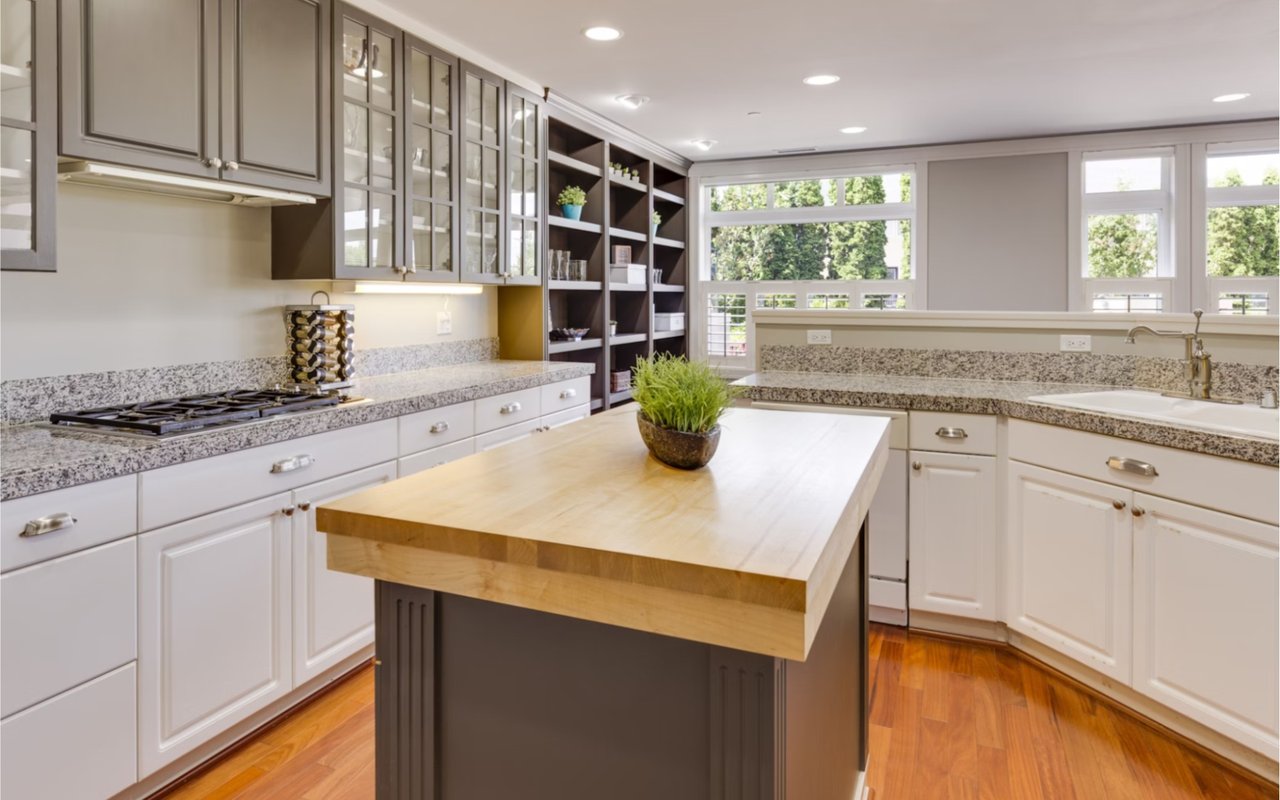
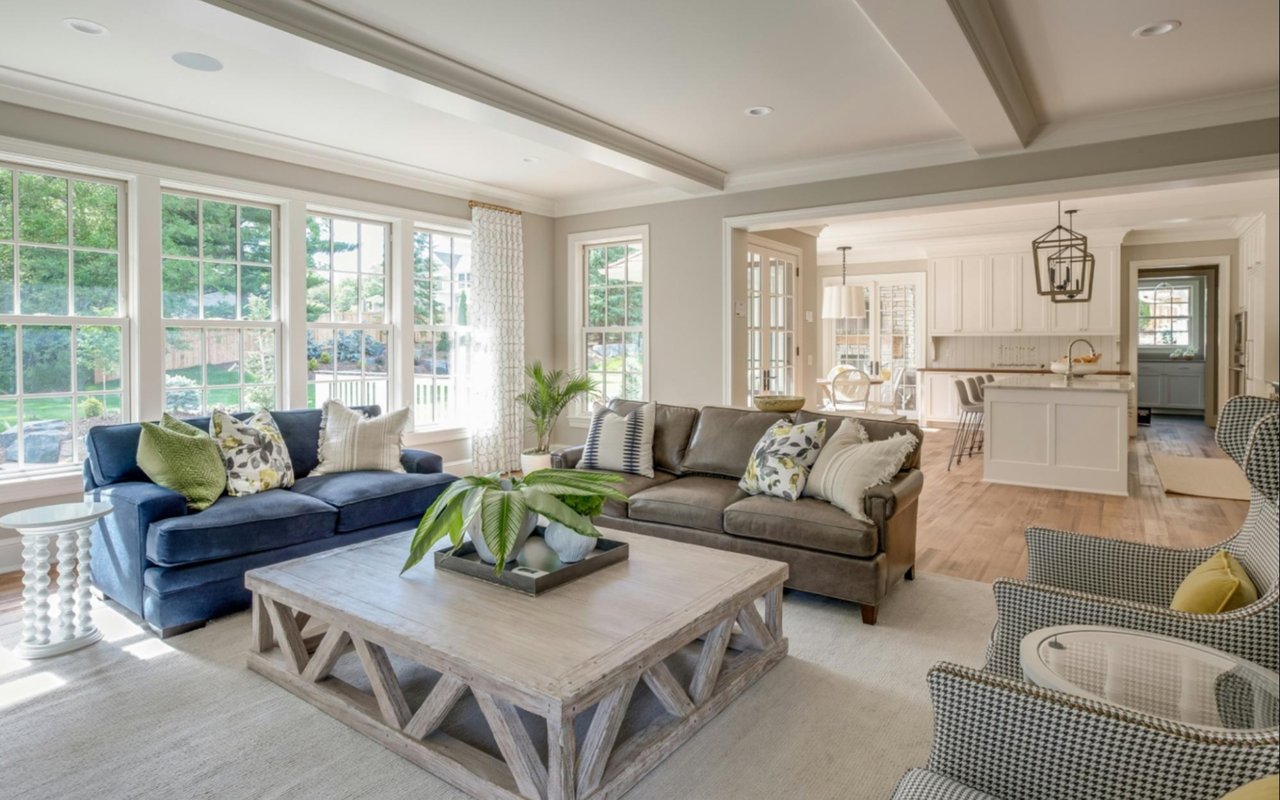
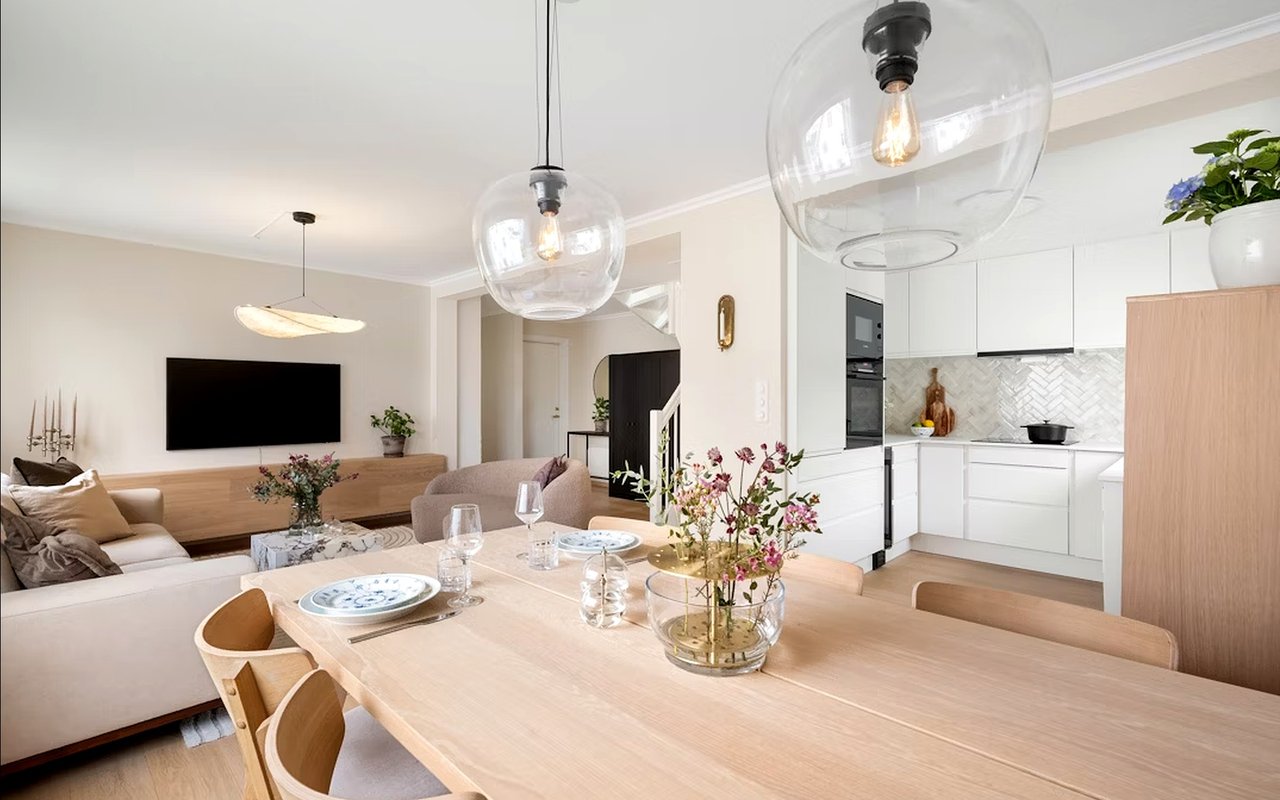
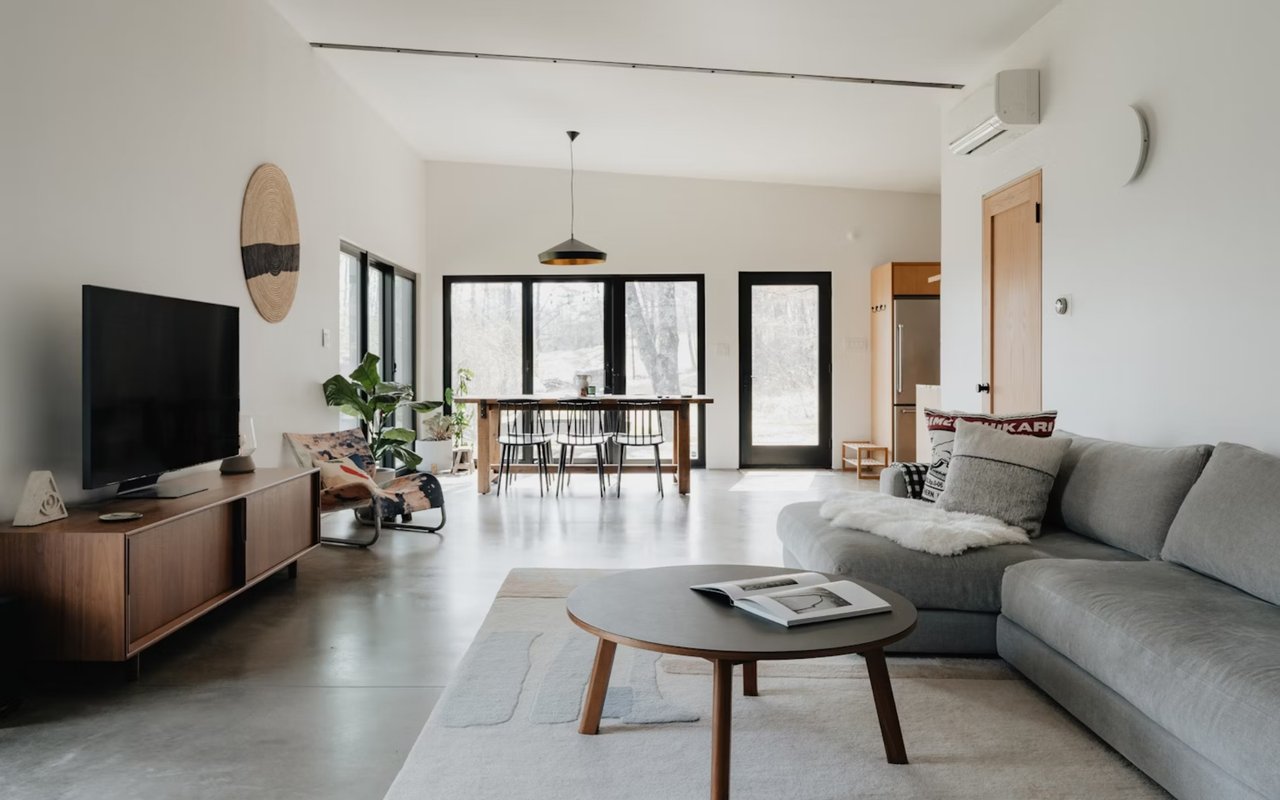
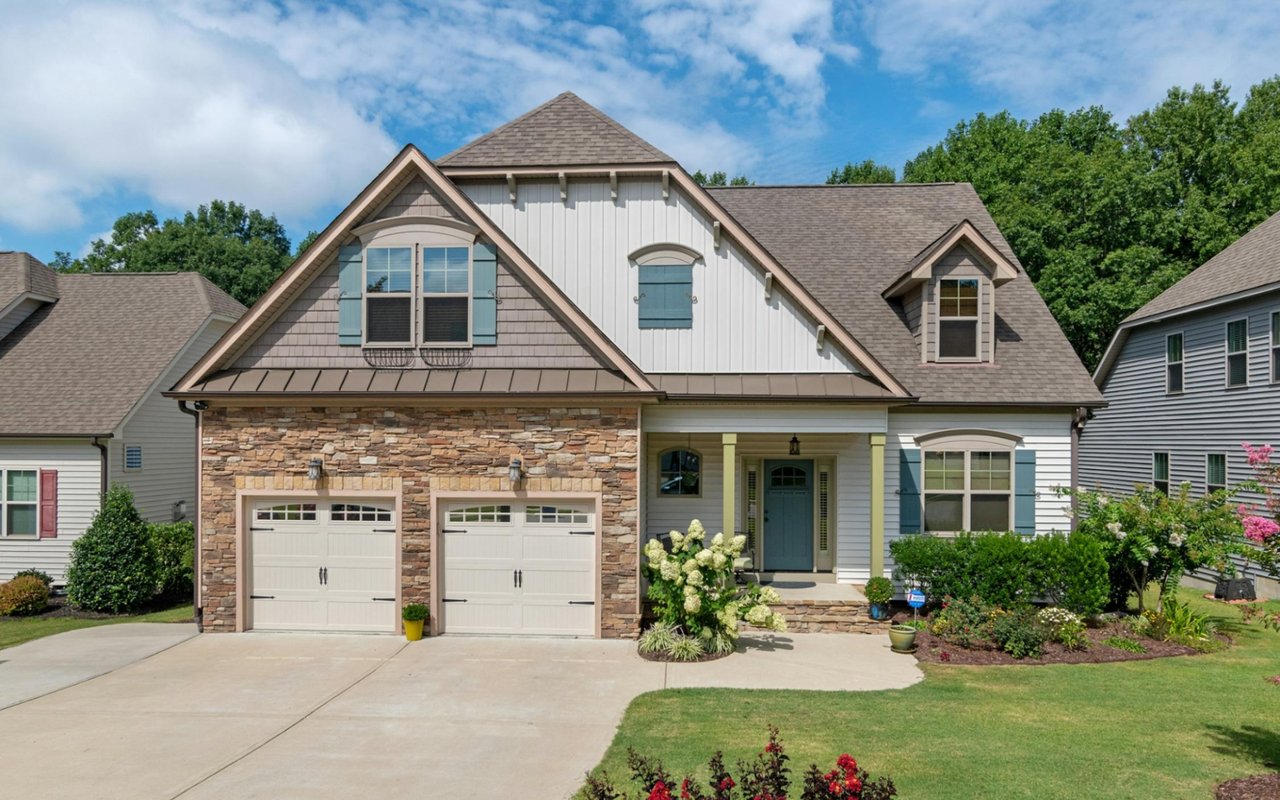
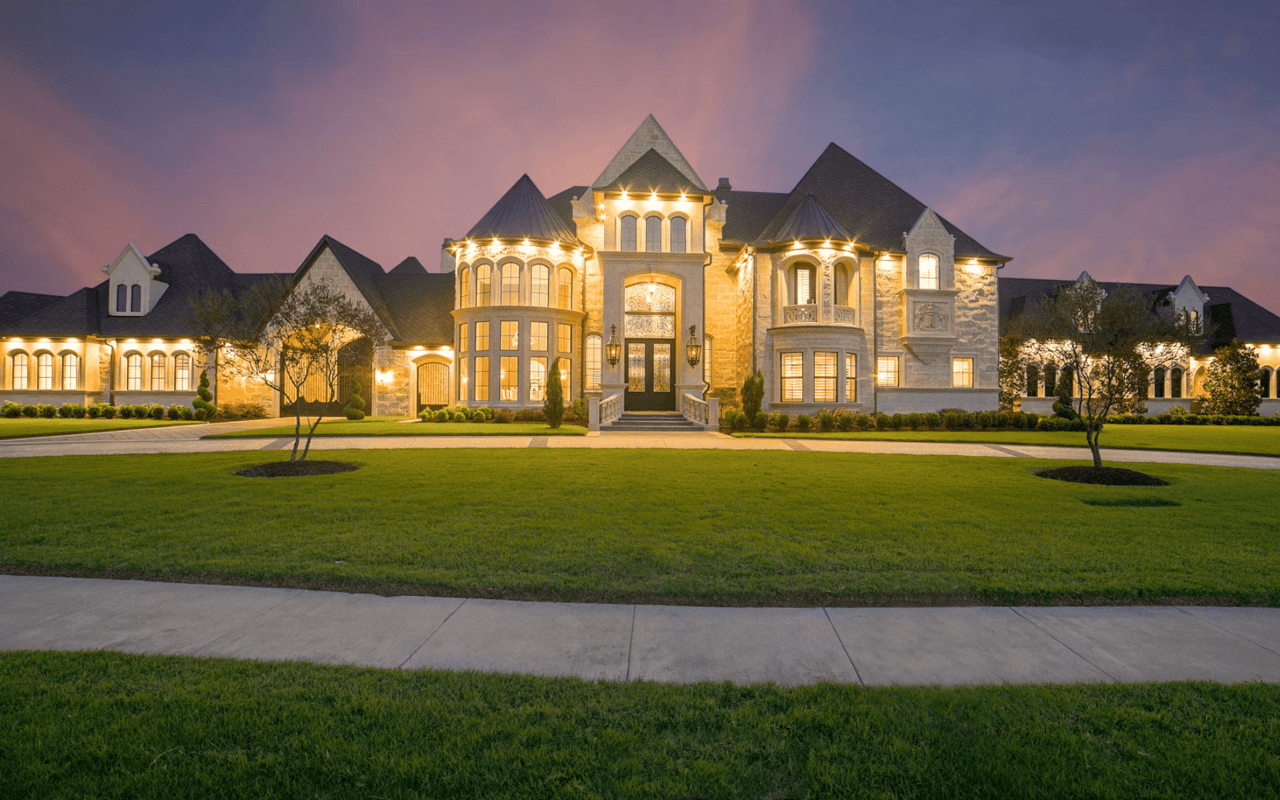
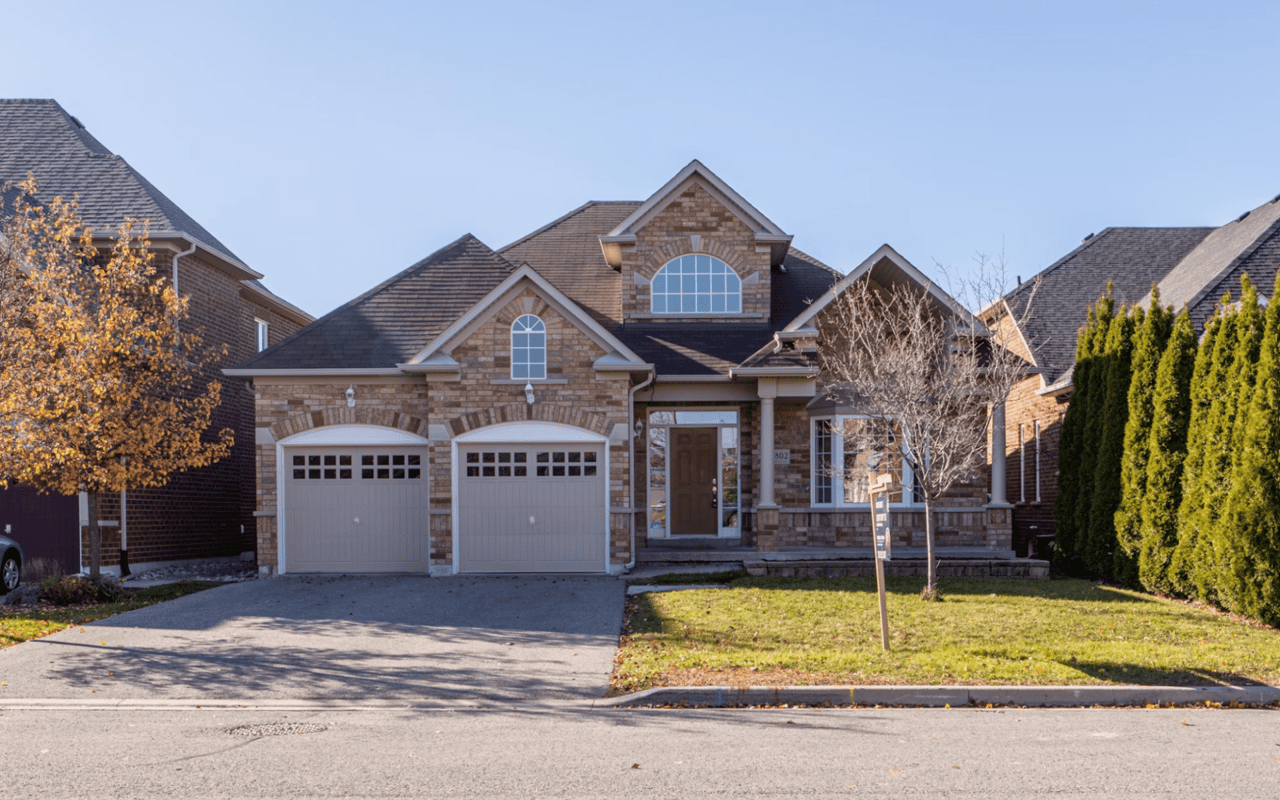
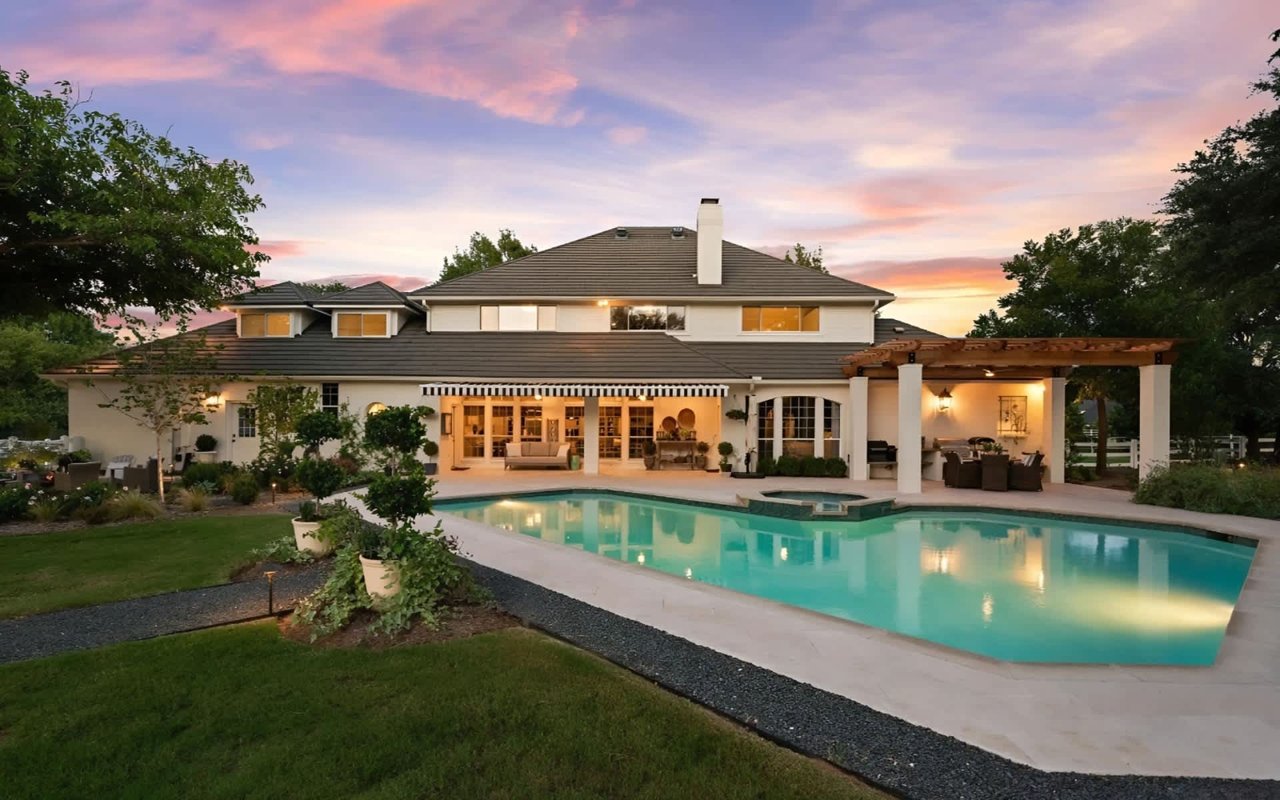
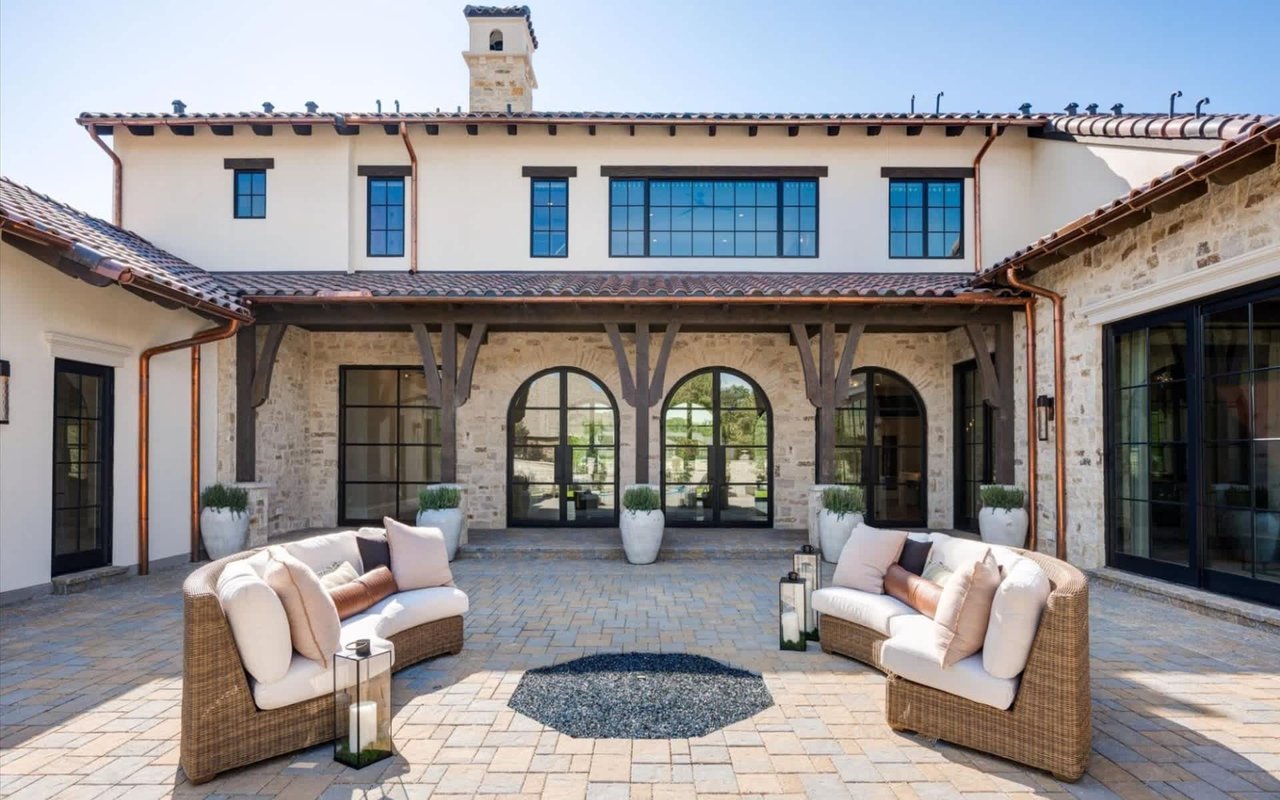
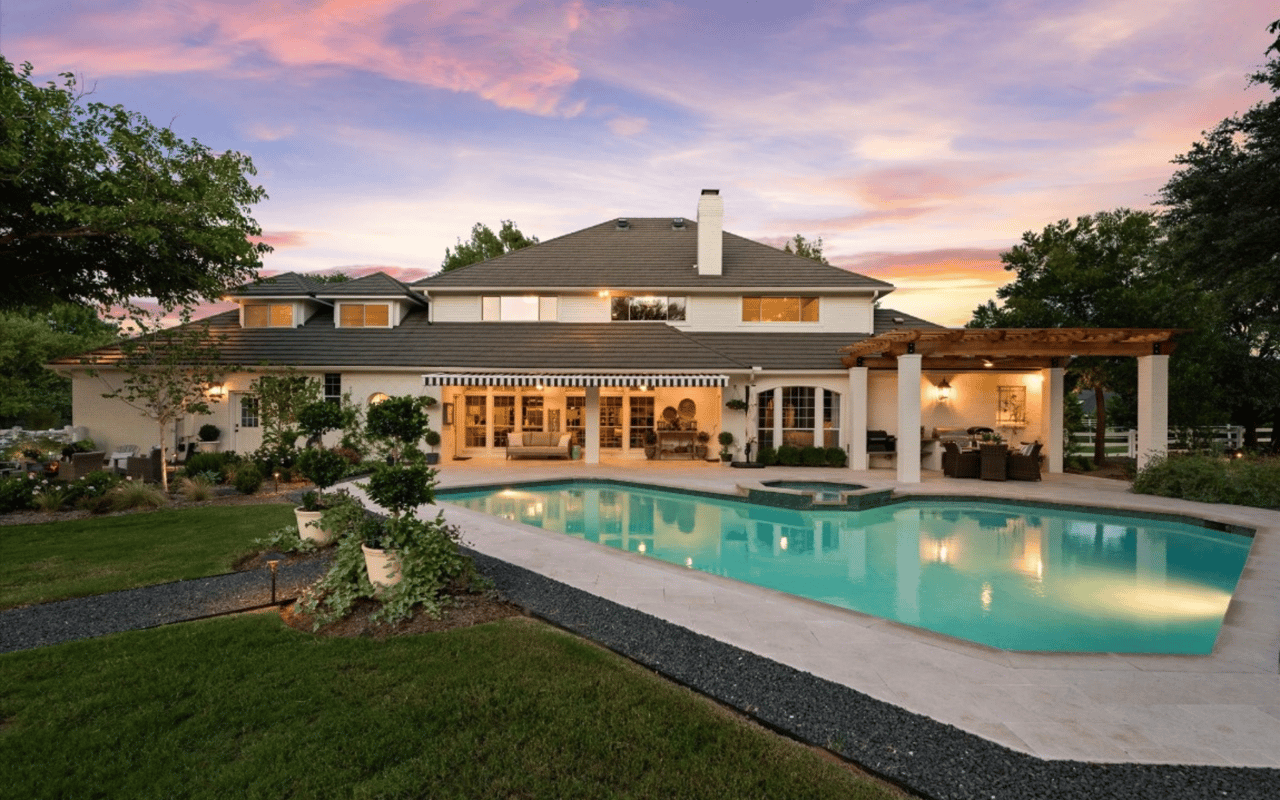
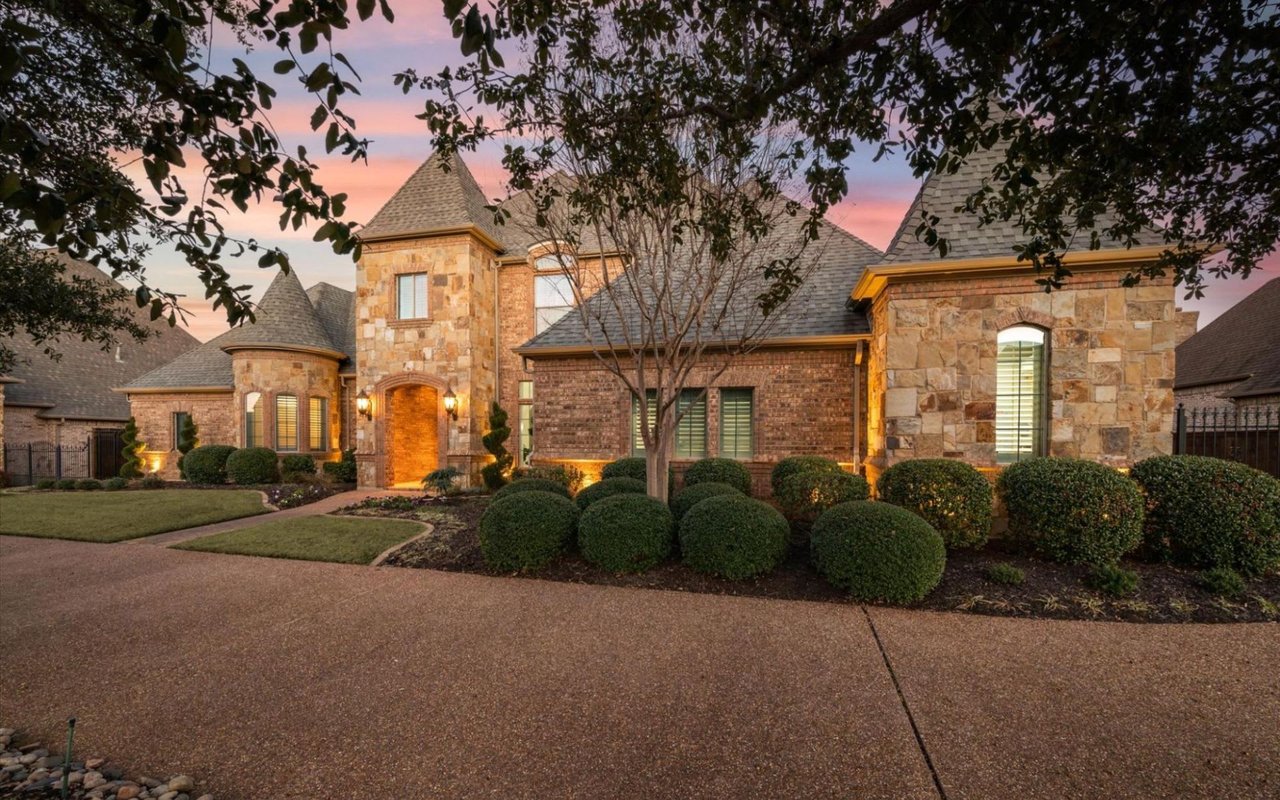
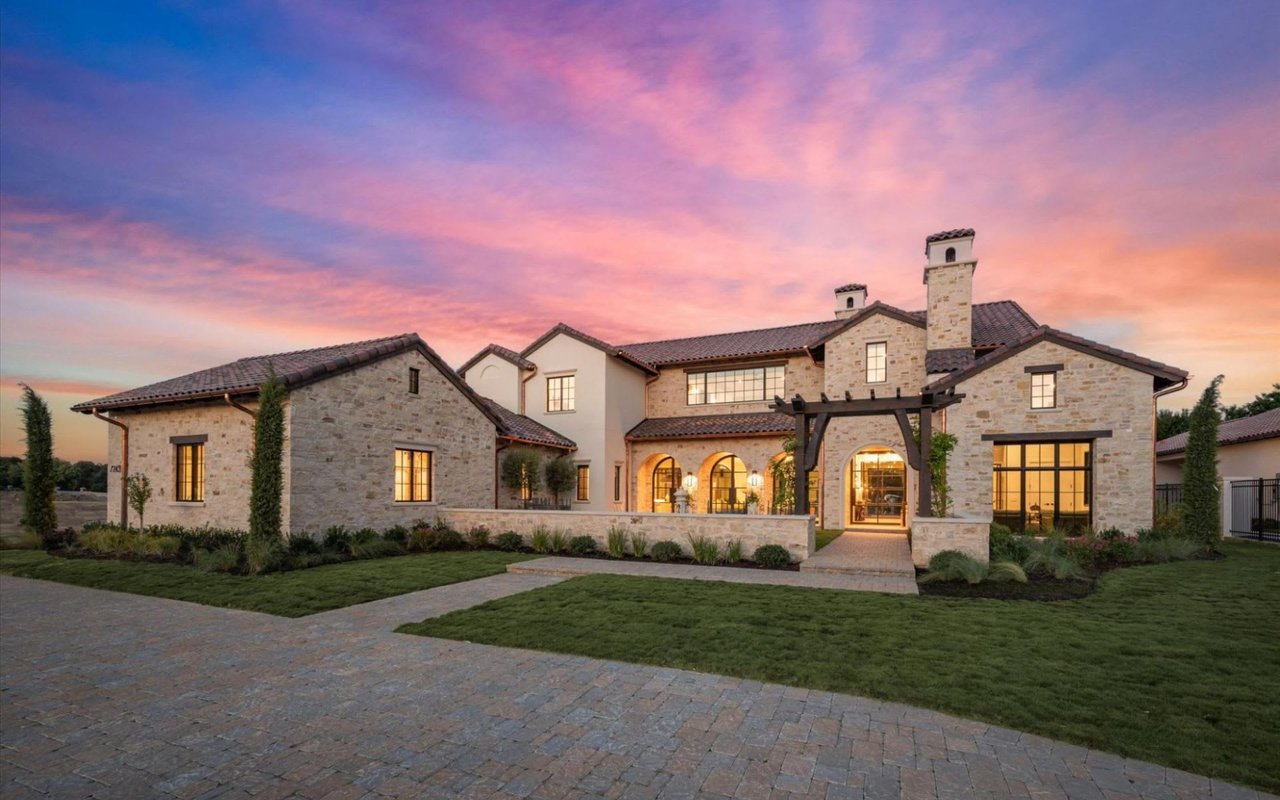
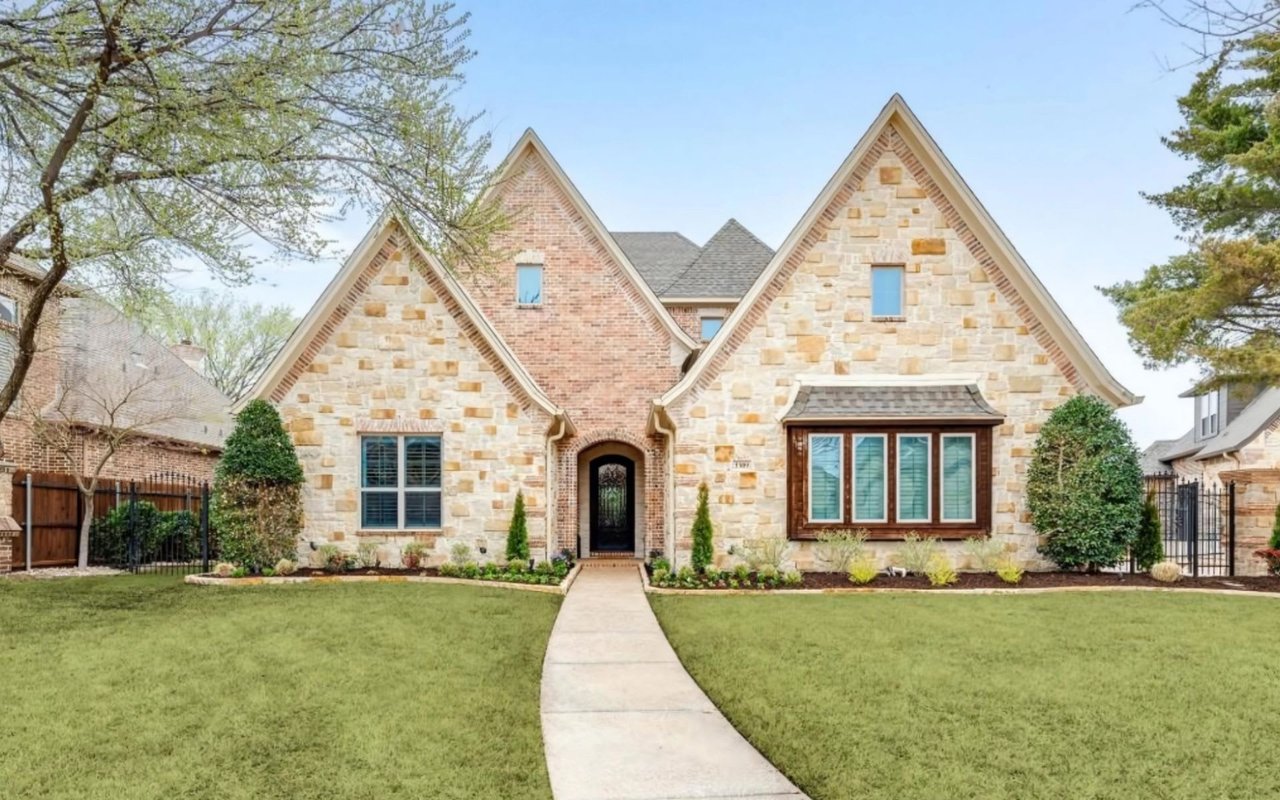
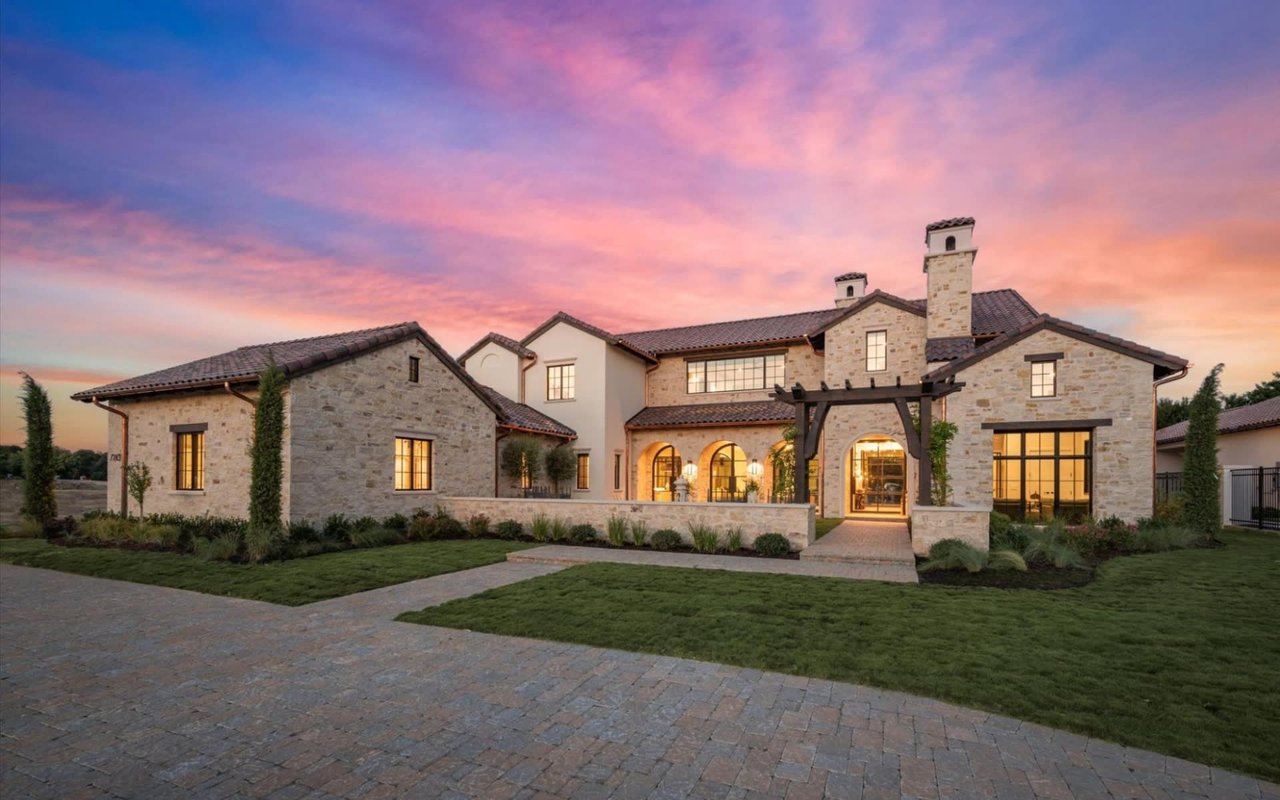
One of Trophy Club’s strengths is variety. According to the town, the housing mix ranges from older custom homes to newer showcase homes, which gives buyers more choices than in many newer suburban master-planned communities.
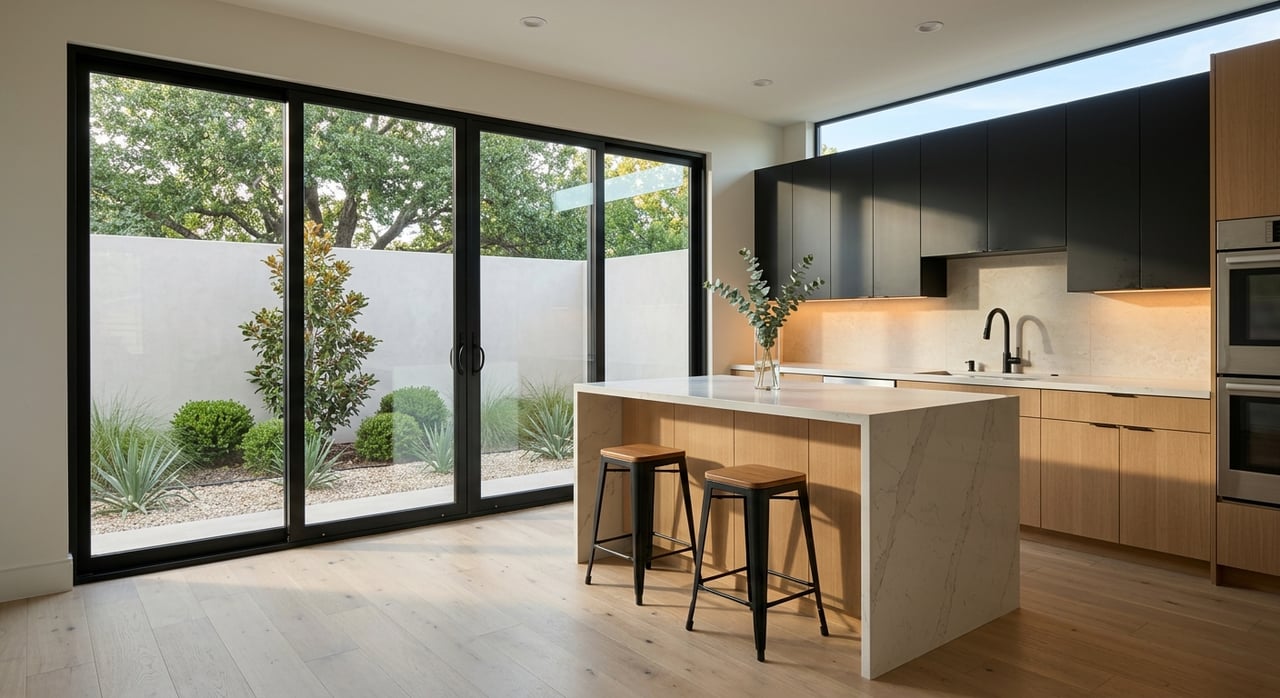
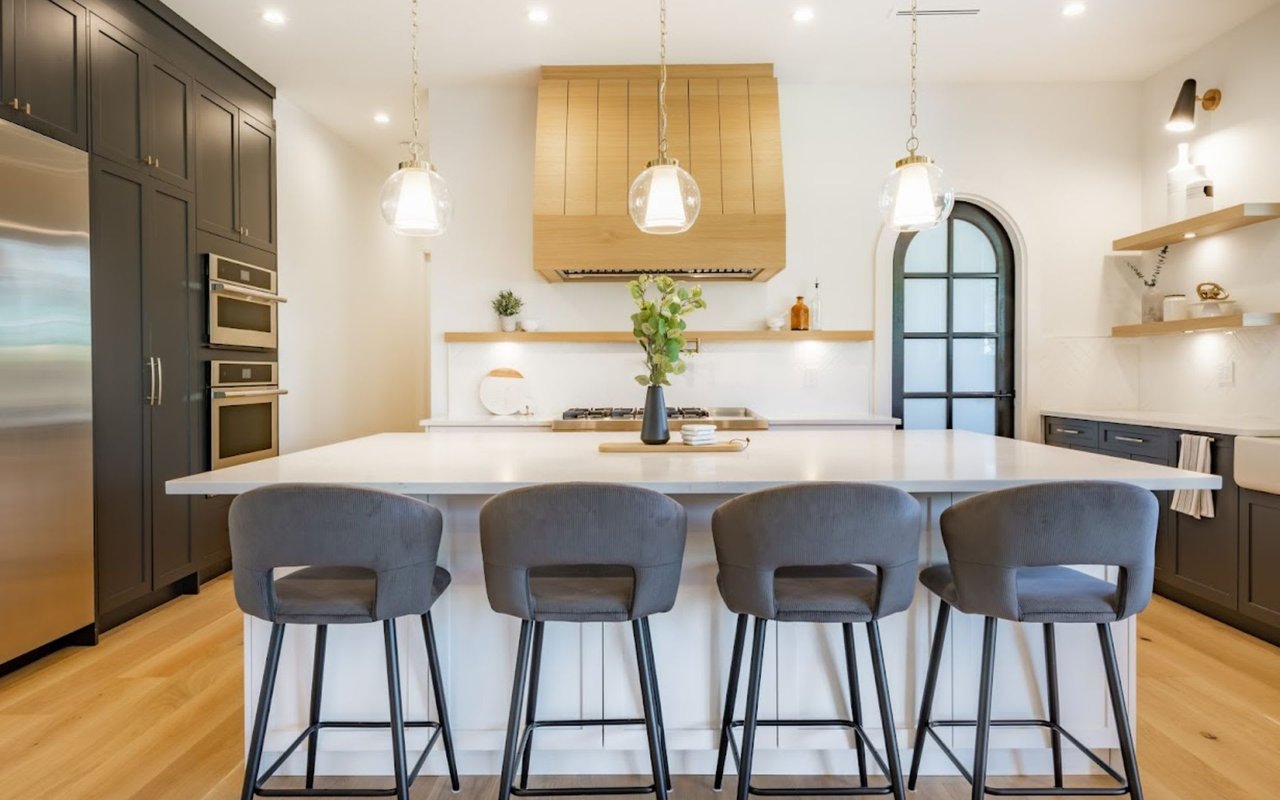
That range can be helpful if you are comparing architectural style, lot size, remodeling potential, or turnkey finishes. It also means you should avoid assuming that one neighborhood represents the whole town.
Why Enclave-by-Enclave Comparison Matters
The town’s HOA directory shows just how segmented the market can be. Communities and sections listed by the town include Canterbury Hills, Churchill Downs, Hogan’s Glen, multiple Highlands sections, The Knoll, The Lakes of Trophy Club, The Villas of Trophy Club, and the townhome community.
In practical terms, that means dues, management, amenities, and rules may differ materially depending on where you buy. A smart Trophy Club home search is usually less about asking, “Do I want Trophy Club?” and more about asking, “Which part of Trophy Club fits me best?”
A Look at Key Community Patterns
Canterbury Hills
Canterbury Hills offers a helpful example of an established section with smaller lot sizes. Its HOA says the neighborhood includes 339 homes built between 1998 and 2002, typically on lots ranging from about .15 to .35 acres, and includes a gated Meadow Ridge entrance.
For buyers, that points to a more established neighborhood feel with a known construction window and a defined HOA structure. The listed builders include Darling Homes, Drees Custom Homes, and Highland Homes.
Hogan’s Glen
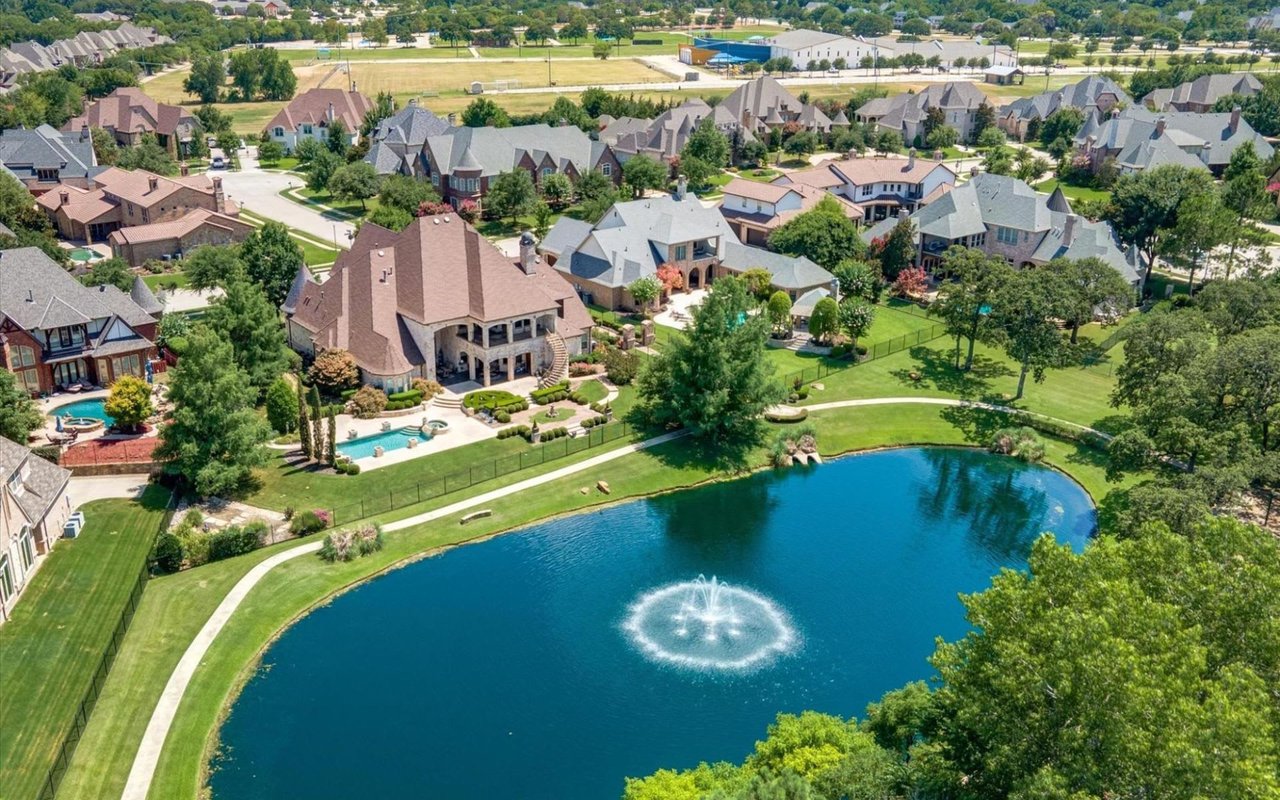
Hogan’s Glen is described by its HOA as an exclusive enclave within a gated section of Trophy Club. It is also noted for higher elevation, mature trees, and a large water feature within a country club setting.
If you are drawn to privacy, gated access, and a more tucked-away feel, this type of enclave may stand out. Features like elevation and tree cover can also shape how a property looks and feels from the street and from the backyard.
The Highlands
The Highlands is not a single HOA community. The town directory breaks it into multiple sections, including Neighborhoods 1, 2, 5, 6, 7, and 9, along with Abbey Moor and Turnberry.
That matters because separate sections may use different management firms and may handle governance differently. The Highlands HOA portal also highlights online account management and architecture requests, which suggests a more formal design review process for some properties.
The Lakes of Trophy Club
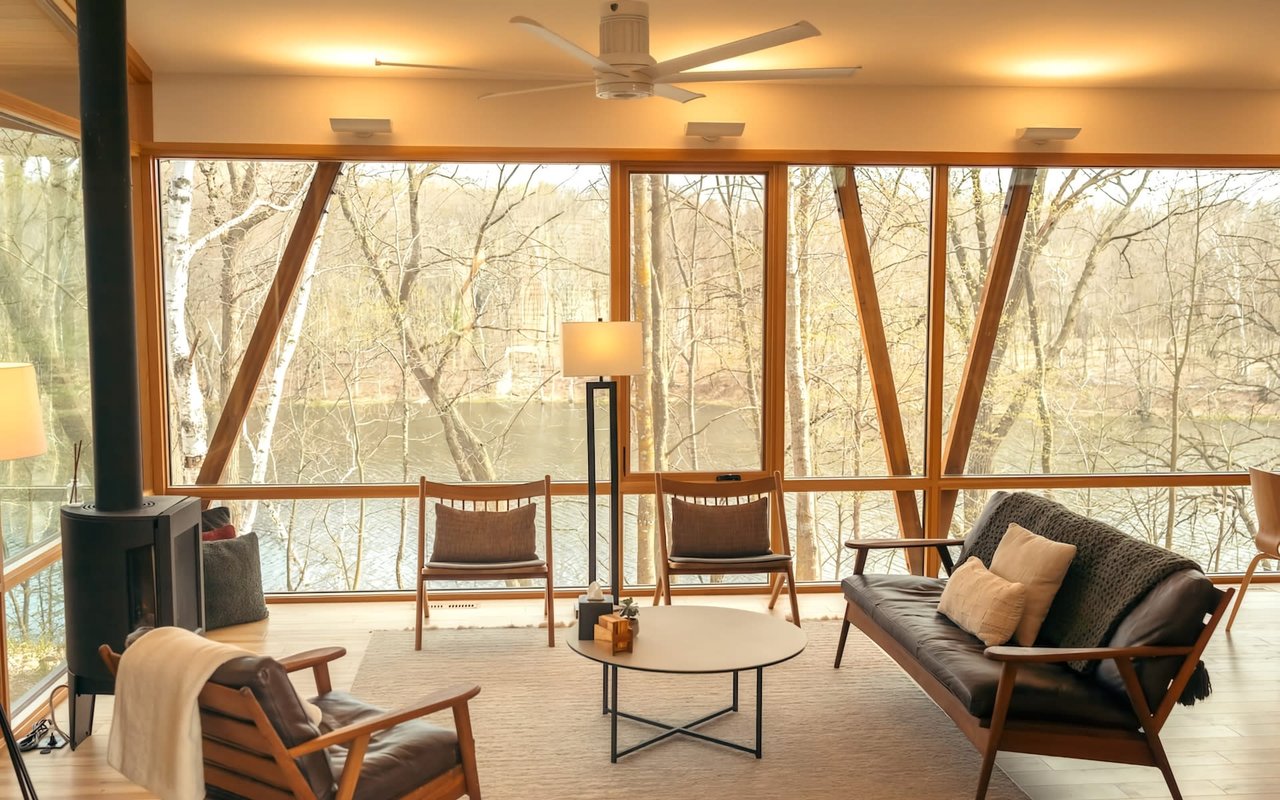
The Lakes of Trophy Club HOA says the neighborhood is set among wooded, rolling hills between two 18-hole championship golf courses. It also notes an annual membership meeting and quarterly board meetings.
That detail gives buyers insight into more than scenery. It also shows that resident involvement and HOA governance style can vary by community, which is worth understanding before you close.
Amenities That Shape Daily Life
For many buyers, Trophy Club’s community design is about more than the house itself. The parks system spans more than 1,000 acres and includes Freedom Dog Park, Harmony Park, Independence Park, Trophy Club Park, and Veterans Memorial Park.
Harmony Park is a strong example of the town’s active-use amenities. The 13-acre park includes two playgrounds, 10 soccer fields, two tennis courts, six pickleball courts, two semi-shaded bocce courts, a basketball court, and a 1.8-mile pathway system.
Trophy Club Park adds a different kind of outdoor access. The town highlights more than 1,000 acres of open and natural trails, with permitted activities that include boating, disc golf, hiking, equestrian use, kayaking, fishing, and mountain biking.
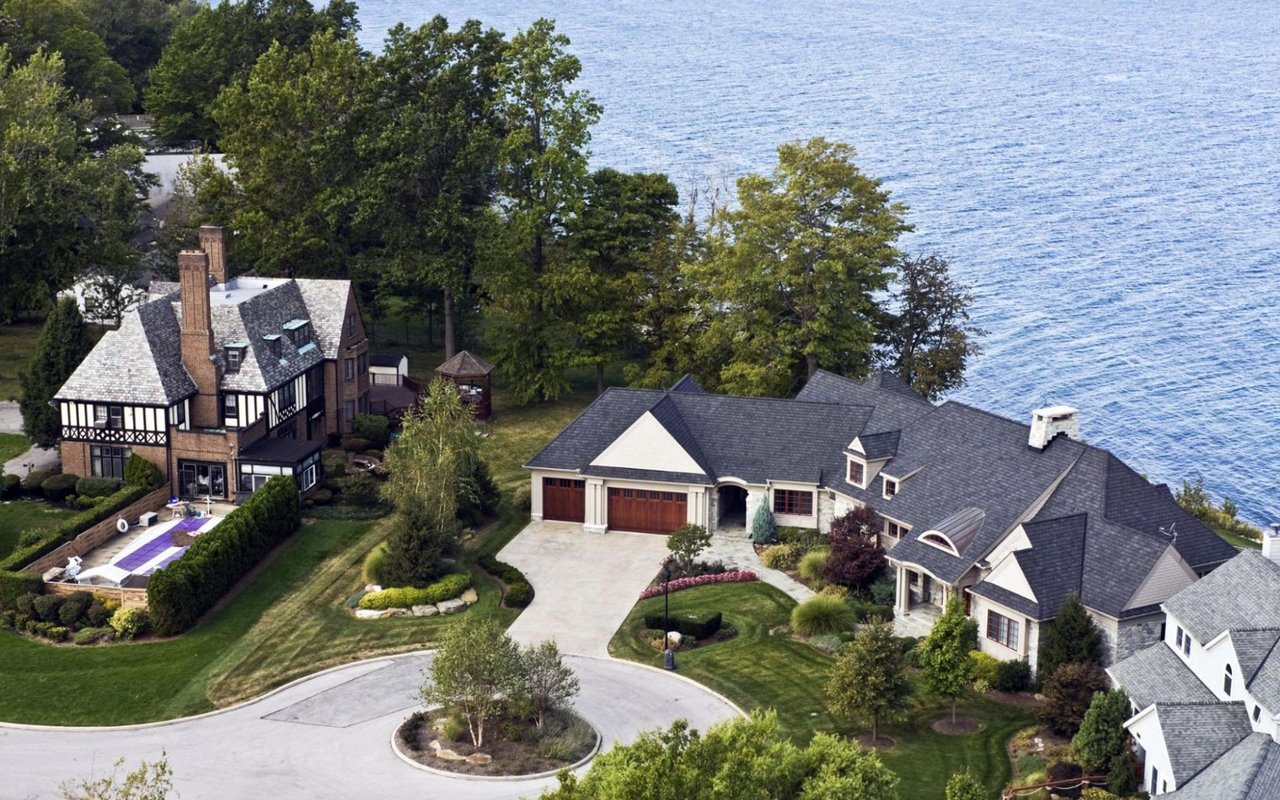
Golf is also a major part of the setting. The town says the Trophy Club Country Club includes two contiguous 18-hole courses, and many neighborhood descriptions reference golf-course adjacency, wooded open space, and lake views as part of the local housing experience.
Schools and Address Verification
The town says the four public schools in Trophy Club are governed by Northwest ISD: Lakeview Elementary School, Samuel Beck Elementary School, Medlin Middle School, and Byron Nelson High School. The town also notes that Byron Nelson High School’s opening allowed residents to complete kindergarten through 12th grade in Trophy Club.
Even so, school assignment should always be verified by address. The town points buyers to Northwest ISD attendance-boundary tools, which is especially important when you are comparing homes near section lines or county lines.
The HOA Questions You Should Ask
Trophy Club’s official HOA page defines an HOA as the organization that determines and enforces community rules. The town also advises residents to contact the permitting department if they need to confirm whether a property is in an HOA.
That step matters because buyers should not assume there is one town-wide ruleset. Different enclaves can have different management companies, approval processes, amenity structures, and resident expectations.
Before you move forward on a property, make sure you know:
- Which HOA or sub-HOA applies
- What dues are required
- What amenities come with those dues
- Whether there are architecture or exterior change approvals
- How the association handles meetings, management, and resident communication
Texas law adds another important layer. Under Texas Property Code Chapter 207, buyers in a subdivision with a property owners’ association must receive the current restrictions, bylaws and rules, along with a resale certificate prepared no earlier than the 60th day before delivery.
That document package is not a formality. It is one of the clearest ways to understand the obligations attached to the property you are buying.
Understanding PID, MUD, and Tax Layers
Taxes in Trophy Club can be more layered than some buyers expect. The town’s official tax page shows that a bill may include county, town, Northwest ISD, and MUD 1, along with possible PID-related assessments or surcharges in some areas.
The Highlands at Trophy Club PID is a good example. According to the town’s PID page, it can include a fixed lot assessment, an annual emergency-services assessment, and a monthly surcharge that is recalculated annually.
This is one of the biggest reasons address-level due diligence matters in Trophy Club. Two homes in the same town may have different assessment structures depending on the subdivision and location.
Why County Lines Matter
Trophy Club spans both Denton and Tarrant counties. That can affect county services, appraisal district records, taxes, and other property-level details.
Before closing, verify the exact parcel’s county, appraisal district, tax bill, and school jurisdiction. This is a simple step that can prevent confusion later and help you compare homes more accurately.
A Smart Buyer Checklist for Trophy Club
If you are narrowing down options in Trophy Club’s master-planned communities, keep your focus on the details that vary by address. A practical checklist includes these four questions:
- Which HOA or sub-HOA applies to this property?
- What rules, amenities, and governance style come with it?
- Does the property have any PID or MUD assessment?
- Which county and school zone does the exact address fall in?
When you answer those questions early, it becomes much easier to compare neighborhoods that may look similar online but operate differently in real life.
Buying Trophy Club With More Clarity
Trophy Club offers a lot to like: a long-established master-planned identity, a broad mix of home styles, golf-oriented surroundings, and a strong park and trail network. But the real key to buying well here is understanding the town at the enclave level.
When you compare homes with HOA structure, lot pattern, tax layers, and exact location in mind, you can make a more confident decision. If you want thoughtful guidance as you compare Trophy Club’s villages and sections, Sophie Tel Diaz Real Estate offers boutique, high-touch support for buyers across North DFW.
FAQs
What makes Trophy Club different from other master-planned communities?
- Trophy Club describes itself as Texas’ first master-planned community, and its layout includes a mix of established and newer homes, multiple HOAs, more than 1,000 acres of parks, and golf-centered neighborhood patterns.
What should buyers know about HOAs in Trophy Club?
- Buyers should know that Trophy Club has multiple HOA and sub-HOA structures, and dues, rules, amenities, management companies, and design-review processes can differ by neighborhood section.
What should buyers verify about taxes in Trophy Club?
- Buyers should verify whether a home’s tax bill includes county, town, Northwest ISD, MUD 1, and any PID-related assessments or surcharges tied to the specific property.
What should buyers verify about schools in Trophy Club?
- Buyers should verify school assignment by exact address through Northwest ISD attendance-boundary tools, even though the town identifies four public schools located in Trophy Club.
Why does the county matter when buying a home in Trophy Club?
- Trophy Club spans Denton and Tarrant counties, so buyers should confirm the property’s county, appraisal district, tax records, and related jurisdiction details before closing.