If you want room for horses without giving up access to the Dallas-Fort Worth Metroplex, Colleyville stands out for a simple reason: it offers a rural feel close to everyday convenience. That balance can be hard to find, especially if you are looking for land, a barn, and a home that all work together. In this guide, you will learn how equestrian living in Colleyville really works, what to look for in a horse property, and which due diligence steps matter most before you buy. Let’s dive in.
Why Colleyville Appeals to Horse Owners
Colleyville is about 14 miles from Fort Worth, 22 miles from Dallas, and roughly 5 miles from DFW Airport. The city describes itself as a place where people move for a rural feel with access to modern conveniences. For buyers who want space for horses without moving far outside the metro area, that setting is a major draw.
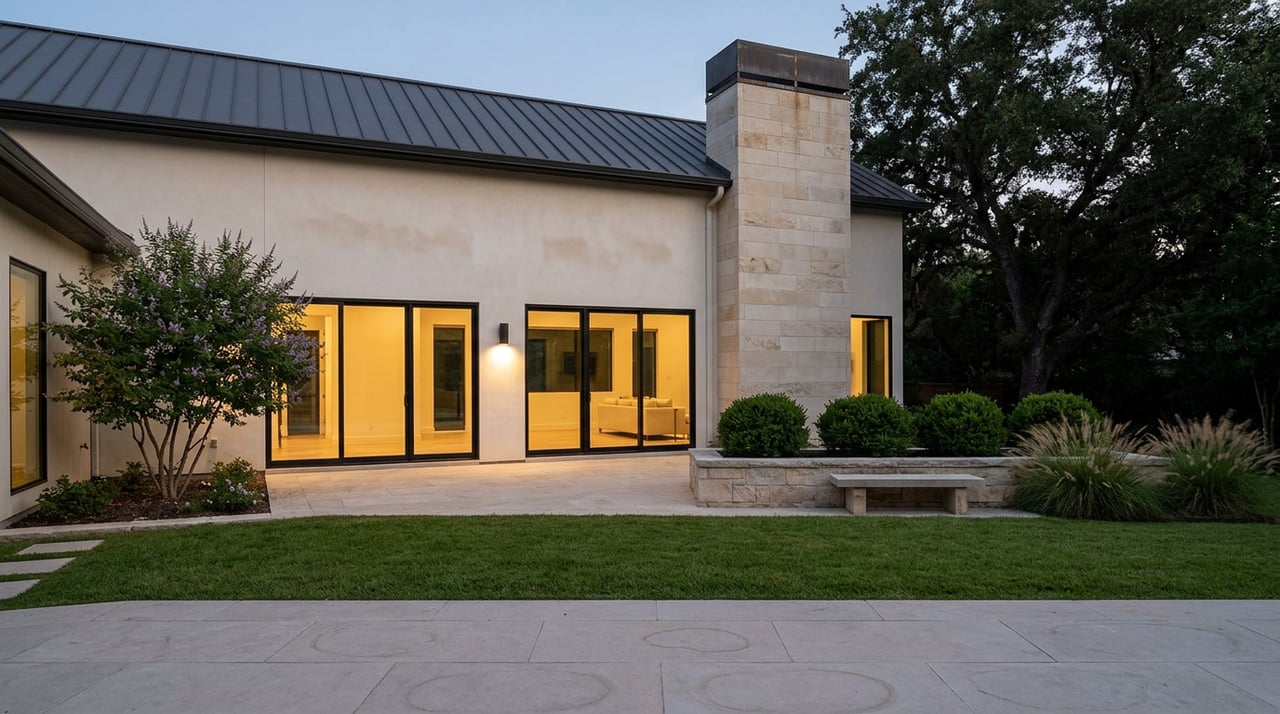
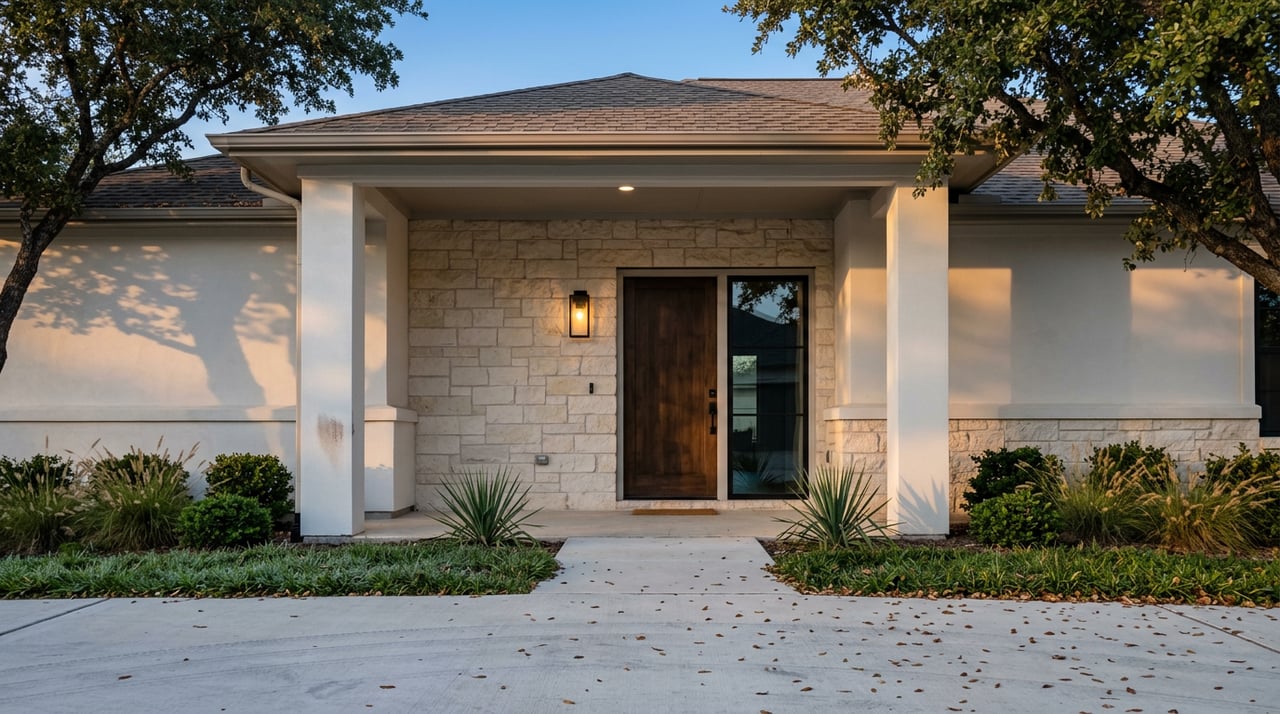
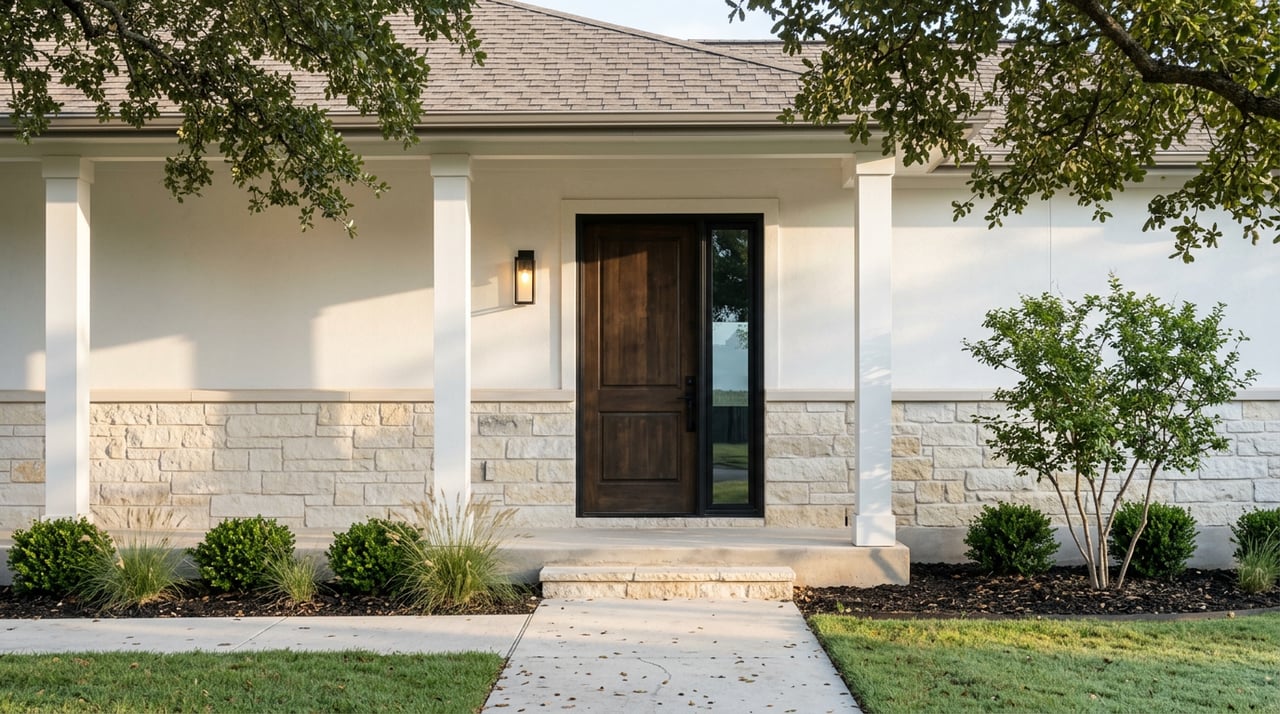
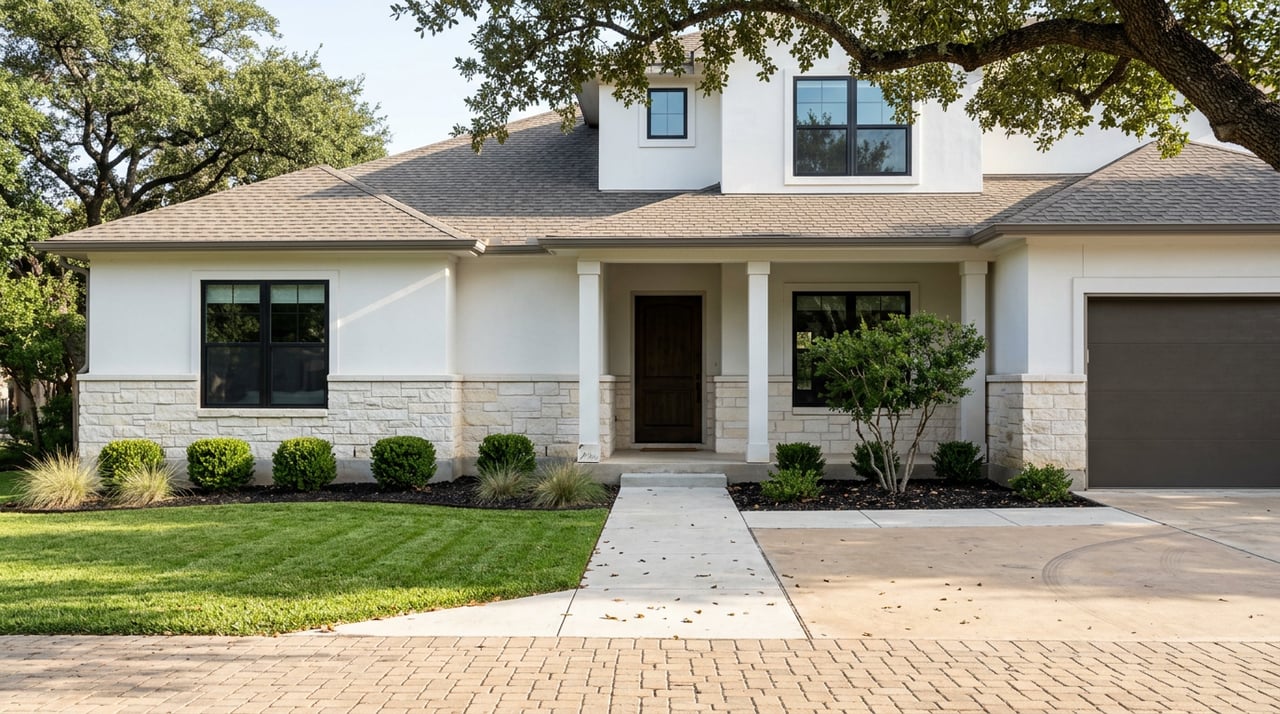
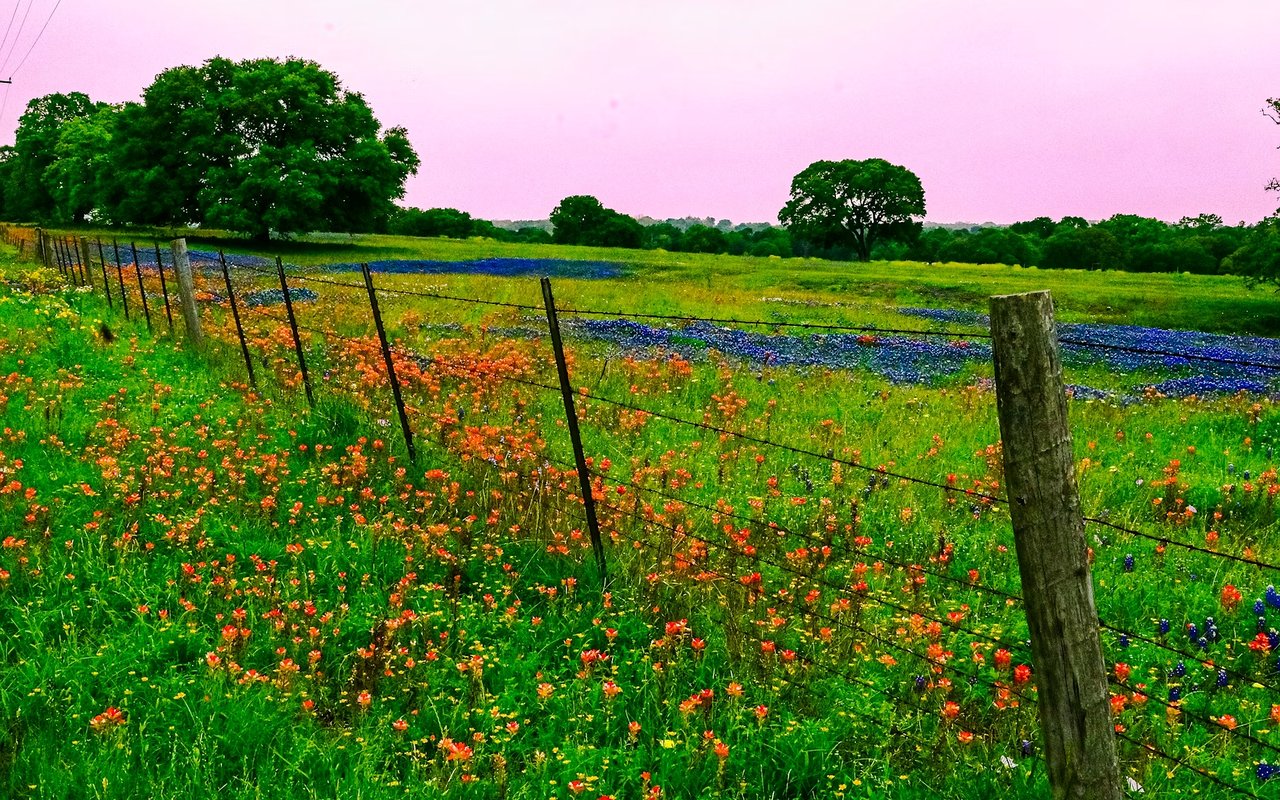
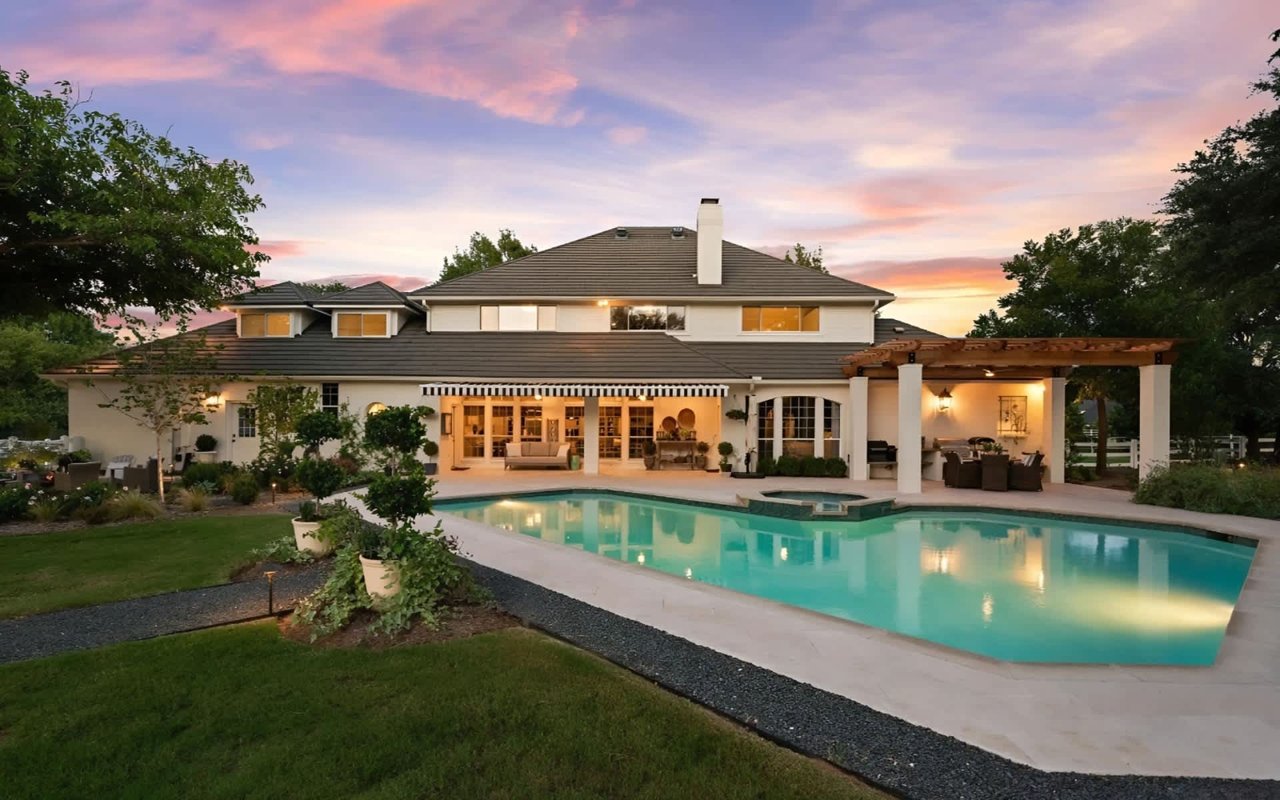
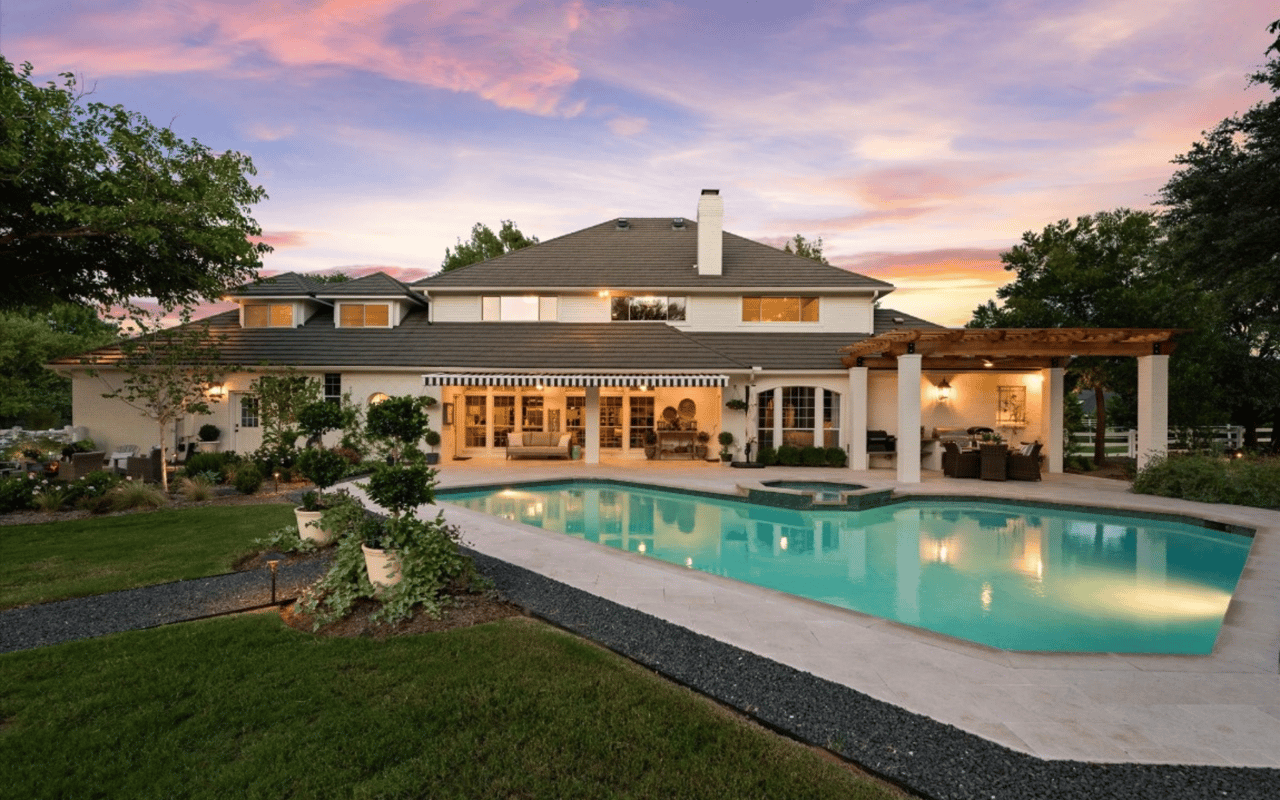
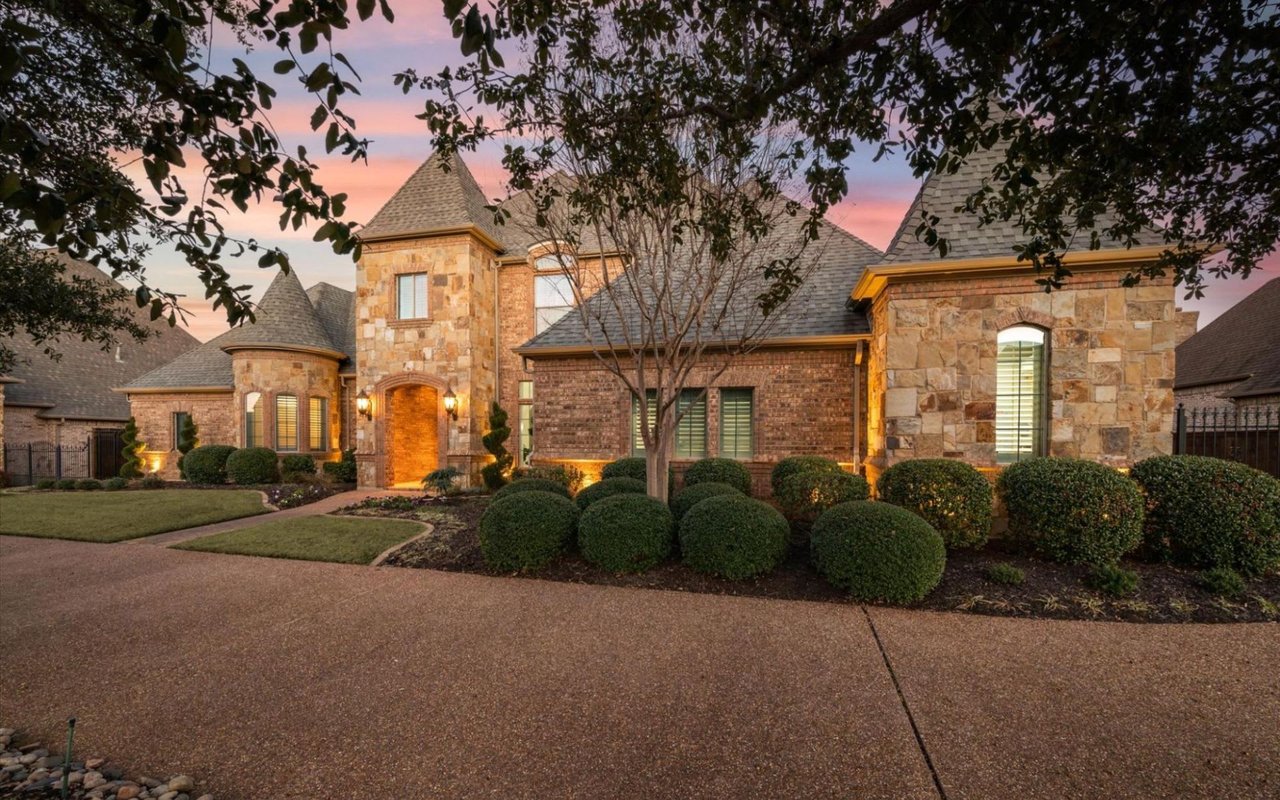
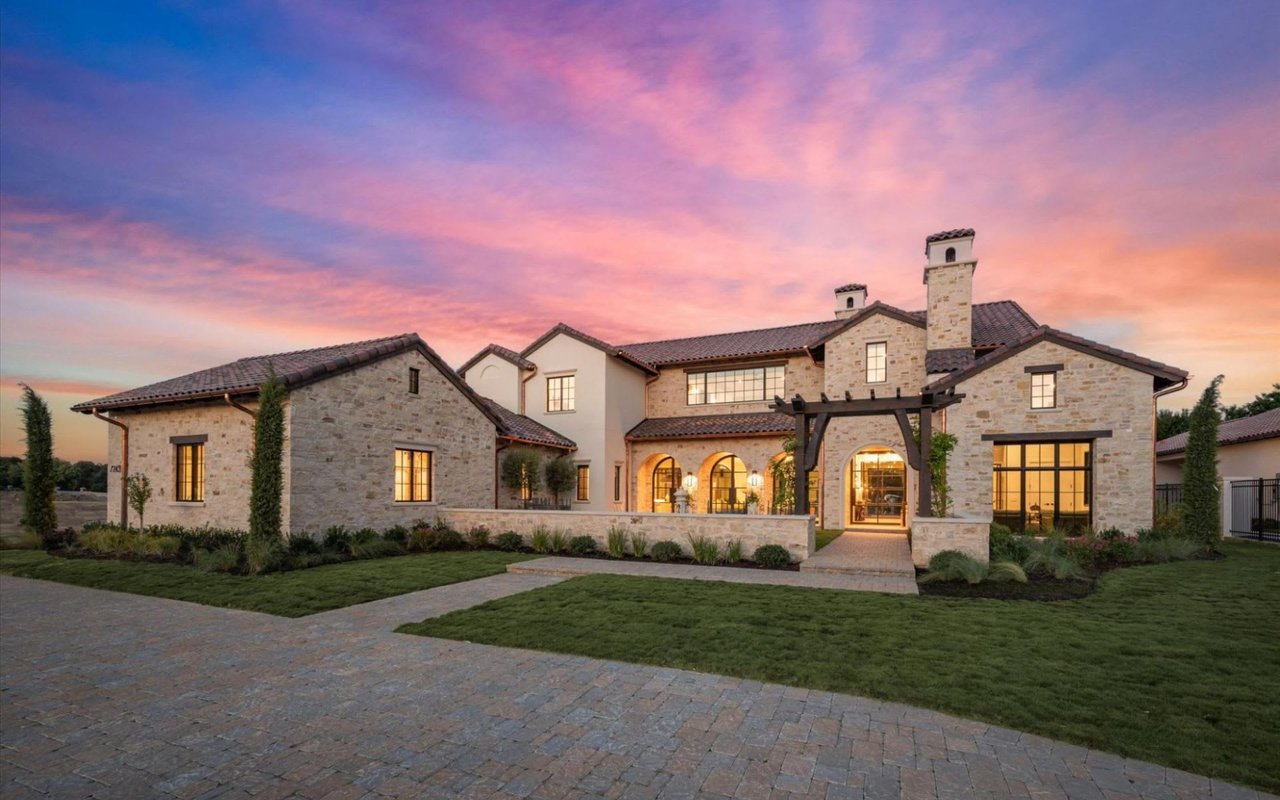
The appeal is often less about large-scale ranching and more about estate-style living with usable land. In many cases, horse-friendly properties in Colleyville look more like custom homes with paddocks and accessory structures than full working ranches. That distinction matters when you begin comparing listings.
Colleyville Zoning and Horse Properties
Before you fall in love with a property, you need to understand that not every parcel follows the same path for horse use. Colleyville’s land-use code separates private horse stables for domestic use from commercial equestrian boarding stables and schools. In plain terms, keeping your own horses is not the same as operating a boarding or lesson business.
The zoning districts most tied to equestrian living are AG, RE, and certain low-density residential districts that allow private stables. AG is intended for agricultural farming and ranching with very low-density residential use. RE is intended for low-density estate purposes with select agricultural uses, and R-40 is described as a low-density district suited to the outer fringe of more urbanized parts of the city.
Some AG-zoned land may also involve flood-prone areas or urban-fringe conditions. That means drainage and floodplain review can become part of the buying conversation on certain parcels. If you are evaluating land for horses, the site itself matters just as much as the home.
Private Stable vs Commercial Use
This is one of the most important distinctions for buyers. A property that works for private horse keeping may not be approved for boarding, training, or lesson-based use. If your long-term plans include anything beyond domestic use, you should verify that with Colleyville Community Development before you move forward.
Why Zoning Shapes Lifestyle
Zoning affects how the property can function day to day. It can influence the number of horses the lot can support, where structures can go, and whether future improvements are realistic. For many buyers, that makes an equestrian purchase as much a land-use decision as a housing decision.
Land Requirements for Keeping Horses
A beautiful lot is not always a functional horse property. Where private stables are allowed in residential estate and low-density areas, Colleyville requires a minimum lot area of 15,000 square feet per horse over 500 pounds. For other grazing animals, the requirement is 5,000 square feet per animal.
That rule changes how you should read a listing. You are not just evaluating overall acreage. You are evaluating whether the site can practically support turnout, circulation, fencing, manure management, and any future barn or paddock plans.
Usable Land Matters More Than Raw Size
A property may sound large on paper but still fall short for horse use if the layout is awkward or heavily constrained. Drainage patterns, easements, existing improvements, and flood-related issues can affect how much of the lot is truly usable. This is why a site review is so important.
Basic Horse-Keeping Standards
Colleyville’s code also requires manure to be managed so it does not create odors or health hazards. Fences must be strong enough to retain the animals. These details may sound simple, but they are part of what separates a decorative country-style property from one that is genuinely suited for horses.
Barns and Accessory Buildings in Colleyville
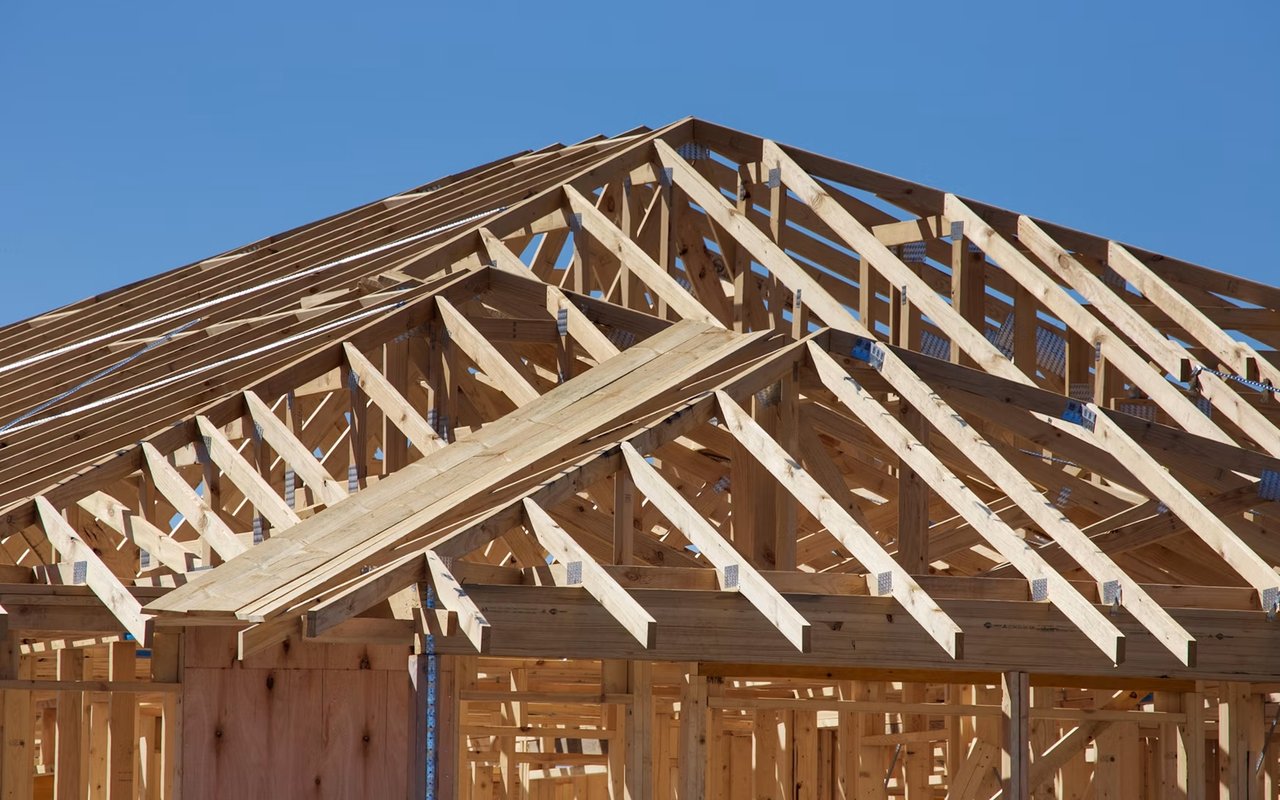
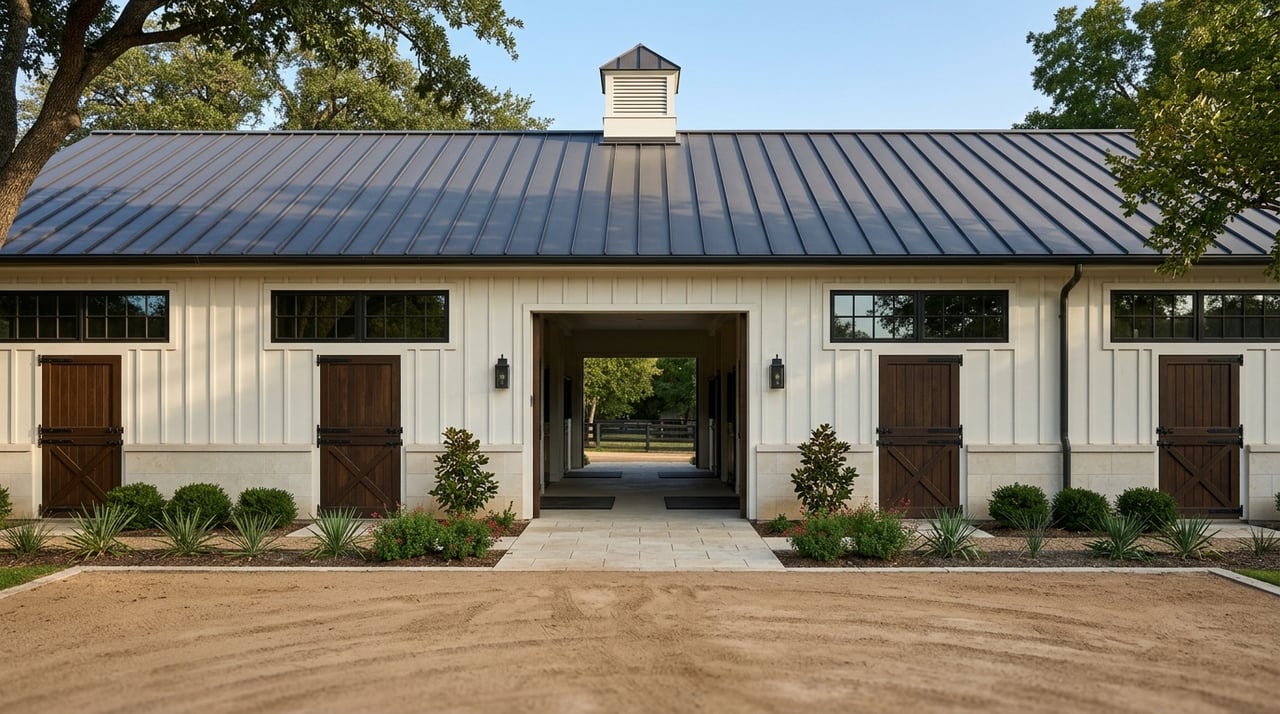
For many buyers, the barn is where the real complexity starts. In Colleyville, horse-related structures are generally treated as accessory buildings. That means the rules for permits, placement, lot coverage, and plan review can all affect what you can build or modify.
A permit is required for any accessory building over 120 square feet. On residential lots, the city limits properties to three accessory buildings and 4% of aggregate lot area. Lots of at least 80,000 square feet get more flexibility, including exemption from the accessory-building cap and from the rule that accessory buildings must stay behind the front façade of the main home.
Larger Lots Offer More Flexibility
If you are comparing horse properties, lot size may affect more than pasture space. Larger parcels can open up more practical choices for barn placement, fencing layout, and accessory-building design. Colleyville also allows some front-yard perimeter fencing on lots of at least 40,000 square feet, which can matter for overall site planning.
What Barn Planning Really Involves
The city’s accessory-structure guidelines show that planning a barn or similar improvement involves more than choosing a footprint. Each structure needs its own permit and plan review, and work cannot begin before the required permit or grading permit is issued. Applications are submitted online and typically require documents such as a survey, setbacks, underground utilities, a drainage plan, and impervious-coverage calculations.
For structures over 500 square feet, engineered foundation, footing, and pier design are required, along with a soils report. If you are buying a property because you hope to add or expand horse facilities later, this is one of the first issues to examine. What looks possible at first glance may require much more review once plans are submitted.
Drainage, Grading, and Tree Review
Horse properties depend on the land performing well in all seasons, not just looking attractive on showing day. Drainage is especially important because wet areas, poor runoff, and grading issues can limit paddock use and create problems around barns or turnout areas. In parts of Colleyville, these issues can be closely tied to zoning context and site conditions.
The city also regulates tree removal and grading through urban forestry review. If a future barn, fence line, or riding area requires clearing or site work, additional review may be required. That is another reason to treat an equestrian purchase as both a home search and a property-planning project.
Trails, Open Space, and Lifestyle Expectations
Many buyers are drawn to Colleyville because of its open feel, parks, and green space. The city highlights 12 parks and greenbelts, and the Colleyville Nature Center includes 46 acres, nine ponds, and 3.5 miles of multi-use trails. That contributes to the area’s strong lifestyle appeal.
Still, it is important to verify what trail access really means for horse owners. Colleyville’s trail references are multi-use and emphasize vehicular, pedestrian, and bicycle connectivity. You should not assume that city trail access automatically includes horseback riding rights.
Ask Specific Questions About Riding Access
If trail riding is part of your ideal setup, confirm that separately before you buy. A property near open space may still be appealing for privacy and scenery, but direct equestrian trail use is a different question. Clear answers up front can help you avoid disappointment later.
Due Diligence Steps You Should Not Skip
Equestrian purchases usually involve more moving parts than a standard home search. In Colleyville, the city recommends verifying zoning with Community Development before you invest too much time or money. That is smart advice because zoning changes and Special Use Permit requests involve public notice, public hearings, and City Council action.
You should also review homeowners association rules and deed restrictions carefully. Colleyville notes that HOAs and CC&Rs often control how a property can be used. Even if city zoning appears favorable, private restrictions may still limit your plans.
Practical Checklist for Horse Property Buyers
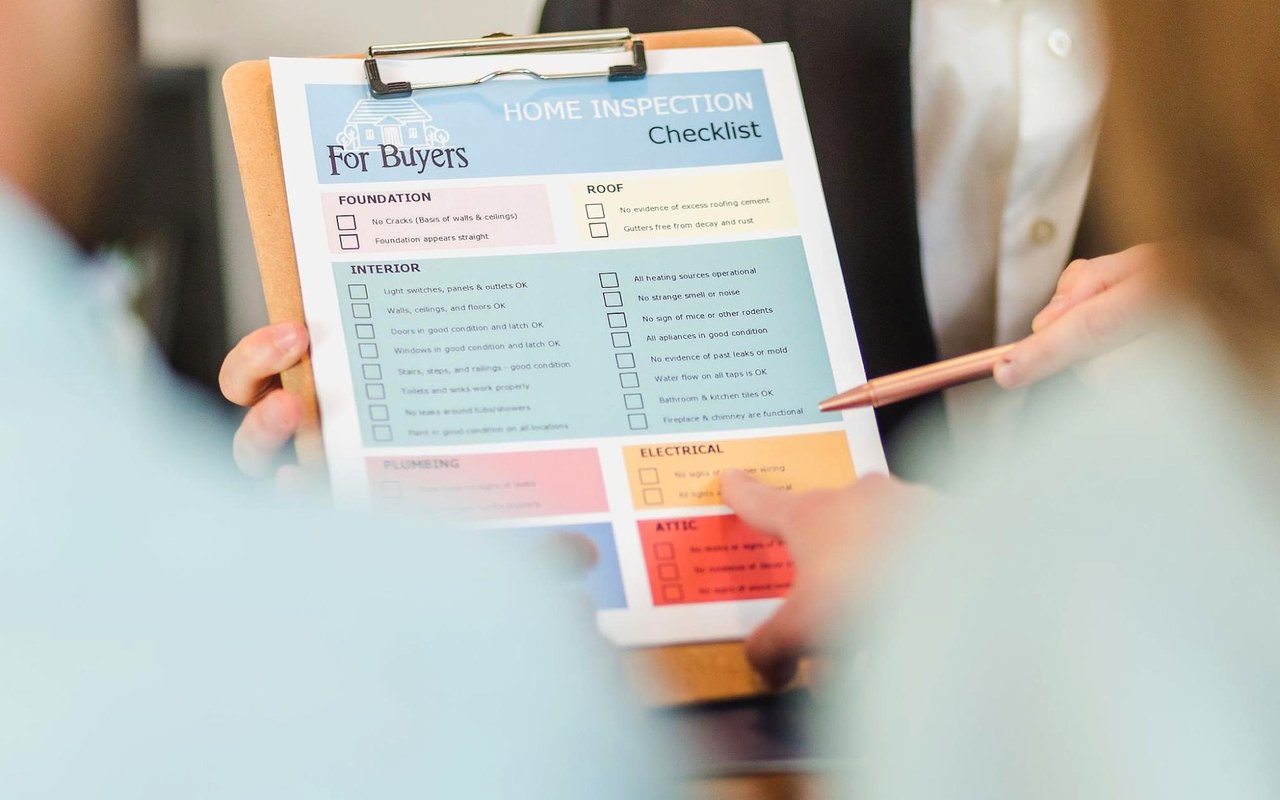
Before making an offer, consider confirming:
- Current zoning and whether private horse use is allowed
- Whether your intended use is private or something more commercial in nature
- Lot size and how much land is truly usable
- Drainage conditions and any floodplain concerns
- Survey or plat details
- Utility locations
- Accessory-building limits and permit requirements
- Tree removal or grading review needs
- HOA rules, CC&Rs, and deed restrictions
- The condition and function of existing barn-related improvements
A specialized inspection of site improvements and horse-related structures can also be valuable. Barns, fencing, drainage features, and paddock layouts deserve the same level of attention as the home itself.
What to Look for in a Colleyville Equestrian Home
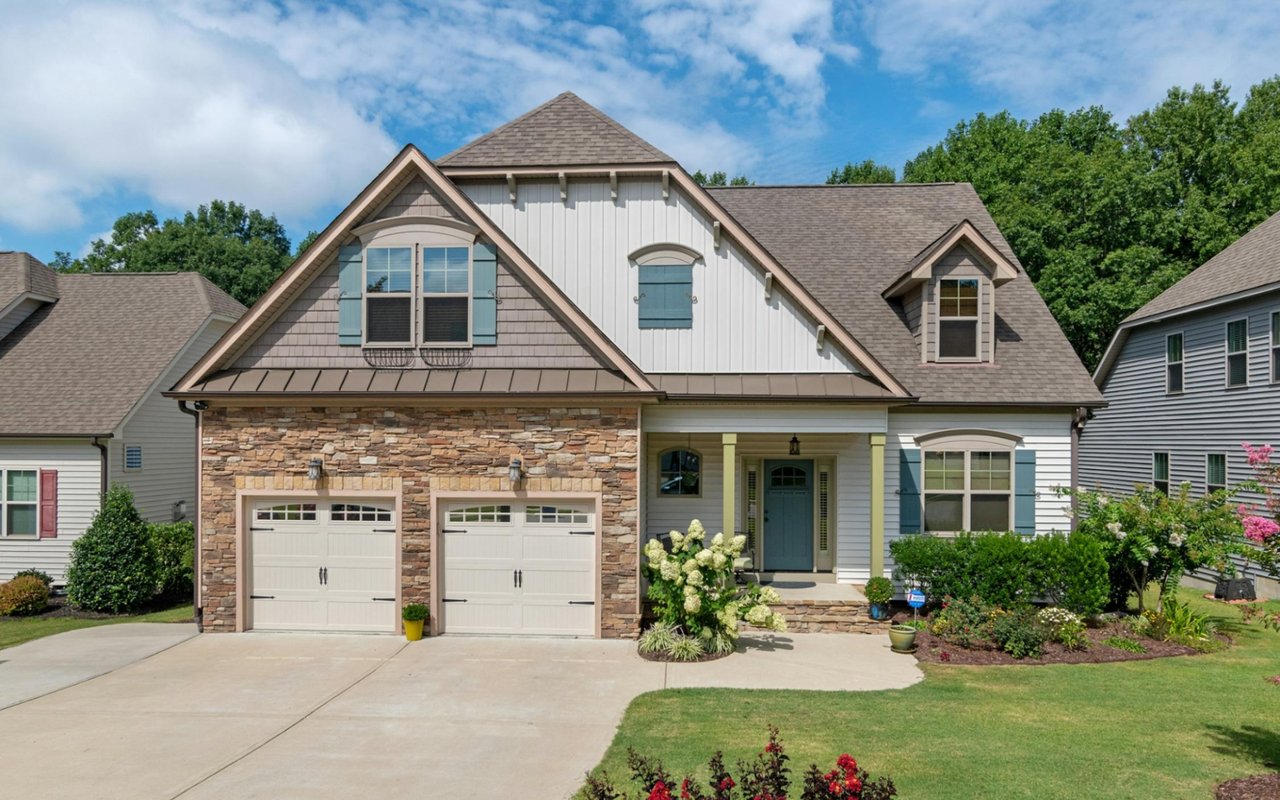
When you tour properties, try to think beyond curb appeal. The right equestrian home should balance comfortable residential living with practical land use. In Colleyville, that often means looking for a property where the house, barn area, open land, and access points all work together logically.
Buyers often benefit from focusing on a few key questions. Is the land usable? Do the existing structures appear properly placed? Is there room for the number of horses you want to keep under the city’s standards? Could future improvements be realistic based on lot size, placement, and permitting rules?
For higher-end buyers and relocating households, that analysis can be especially helpful. A polished home may meet your residential goals, but the land and regulations still need to support your equestrian plans.
The Bottom Line on Equestrian Living in Colleyville
Colleyville offers a rare mix of estate-style space and metro-area convenience, which is exactly why horse buyers are drawn to it. The opportunity is real, but so is the need for careful planning. Zoning, lot requirements, accessory-building rules, drainage, and deed restrictions all need to line up before a property truly functions as an equestrian home.
If you are exploring horse property in Colleyville, a local, detail-focused approach can make the process much smoother. The right guidance can help you evaluate not just the home, but the land, improvements, and long-term usability that matter most. When you are ready to explore equestrian homes, land, or estate properties in Colleyville, connect with Sophie Tel Diaz Real Estate for high-touch local guidance.
FAQs
What zoning should you check for horse property in Colleyville?
- You should verify the property’s specific zoning with Colleyville Community Development, especially if you are considering AG, RE, or low-density residential districts that may allow private stables.
How much land do you need per horse in Colleyville?
- Where private stables are allowed in certain residential estate and low-density areas, Colleyville requires at least 15,000 square feet per horse over 500 pounds.
Can you build a barn on residential property in Colleyville?
- You may be able to, but barn-type structures are generally treated as accessory buildings and may require permits, plan review, drainage documentation, and compliance with lot coverage and placement rules.
Do Colleyville trails allow horseback riding?
- You should verify riding rights directly because the city’s trail references are multi-use and do not automatically mean horses are allowed.
Why do HOA rules matter for equestrian homes in Colleyville?
- HOA rules, CC&Rs, and deed restrictions can limit property use even when city zoning appears to allow horse-related use.
What should you inspect on a Colleyville horse property?
- In addition to the house, you should closely review fencing, drainage, paddock layout, barn-related structures, utility access, and the overall usability of the land.