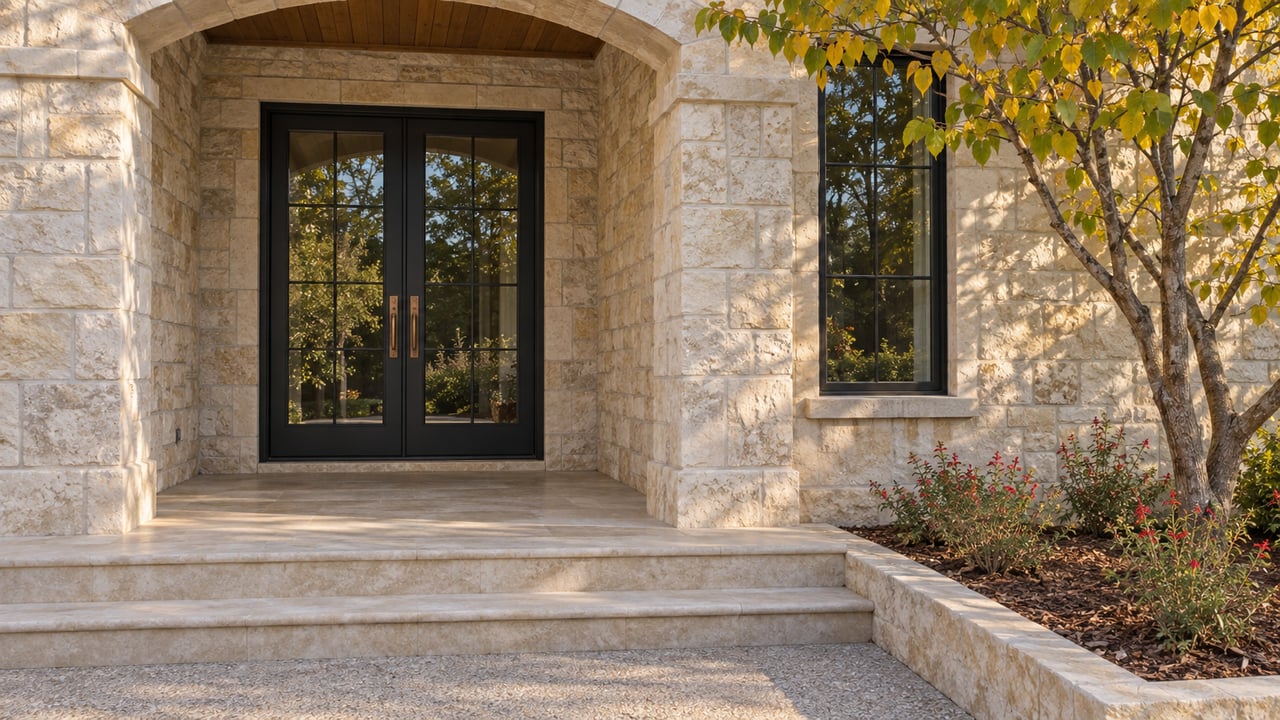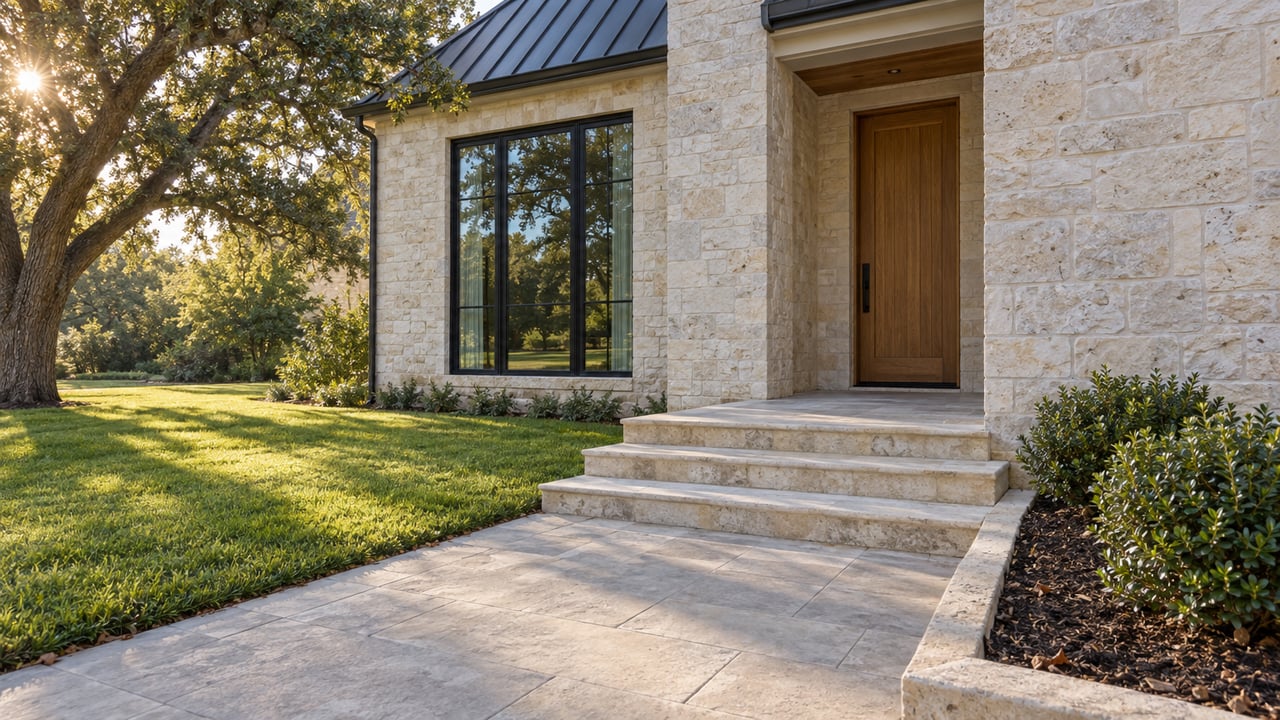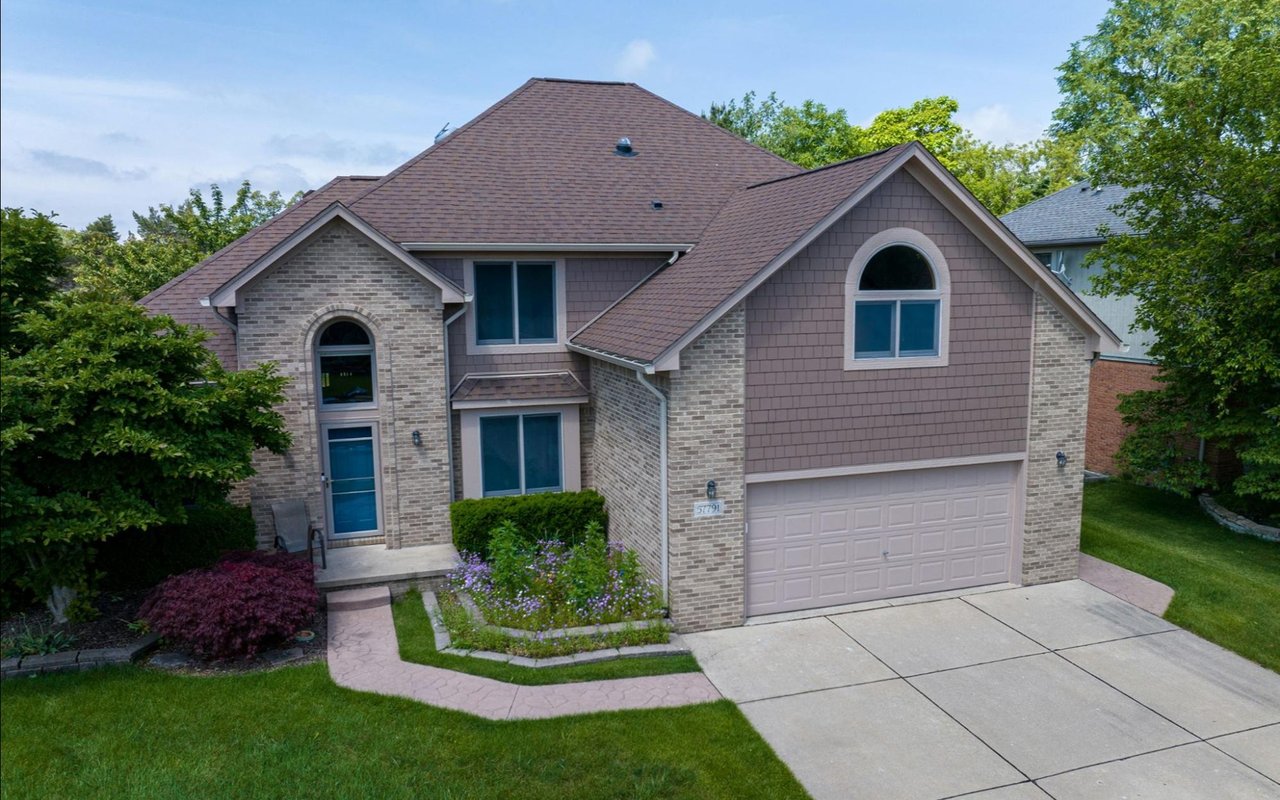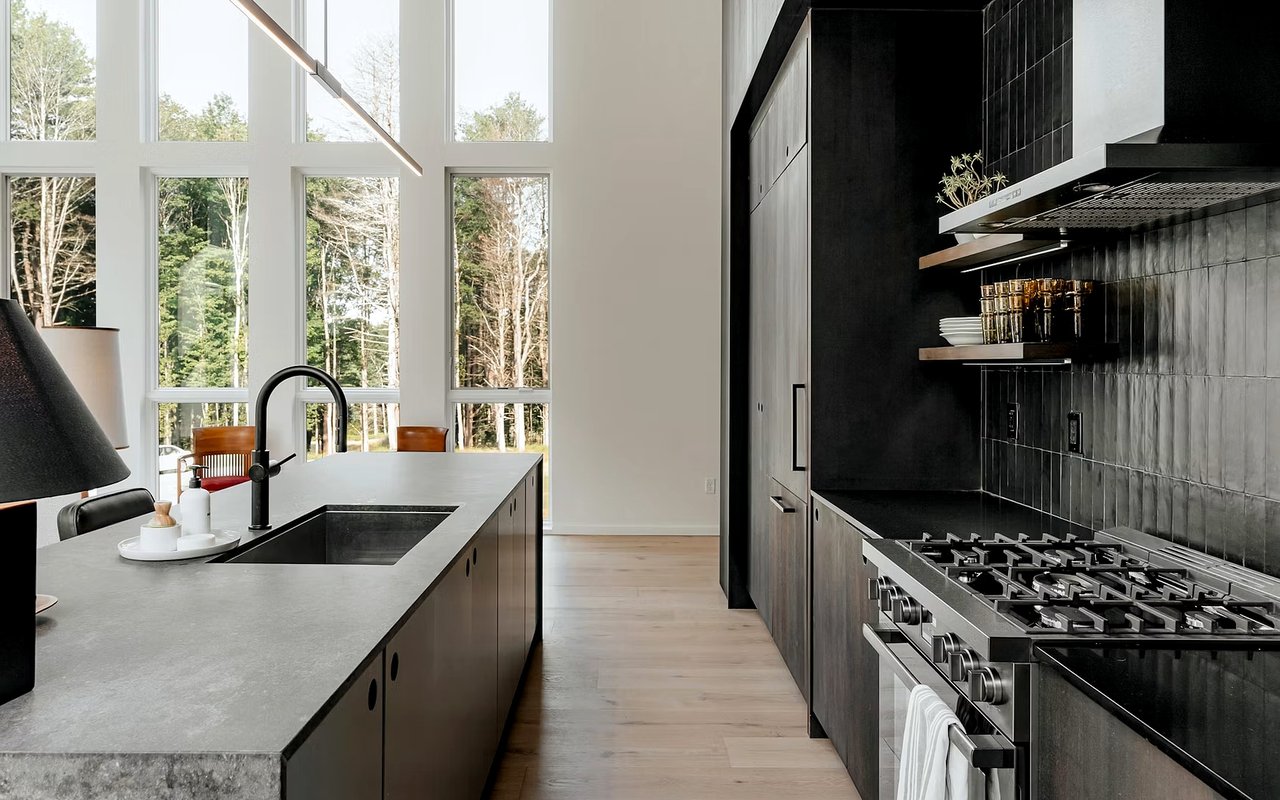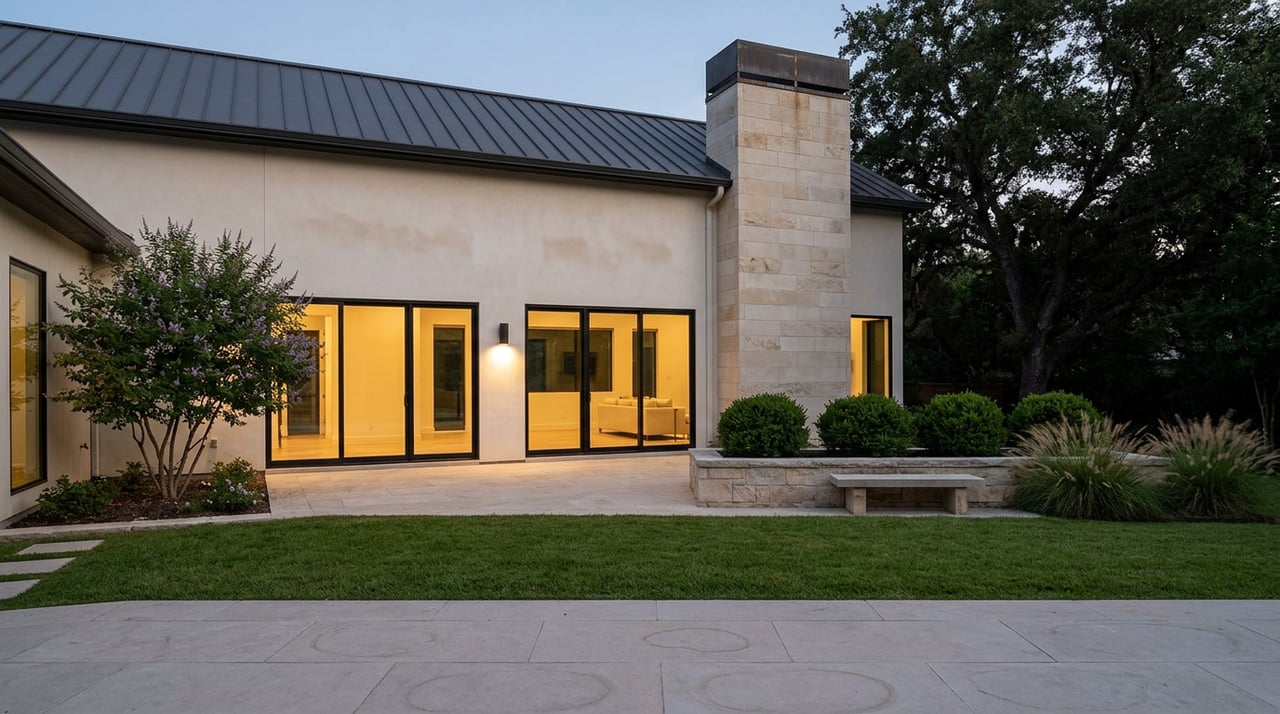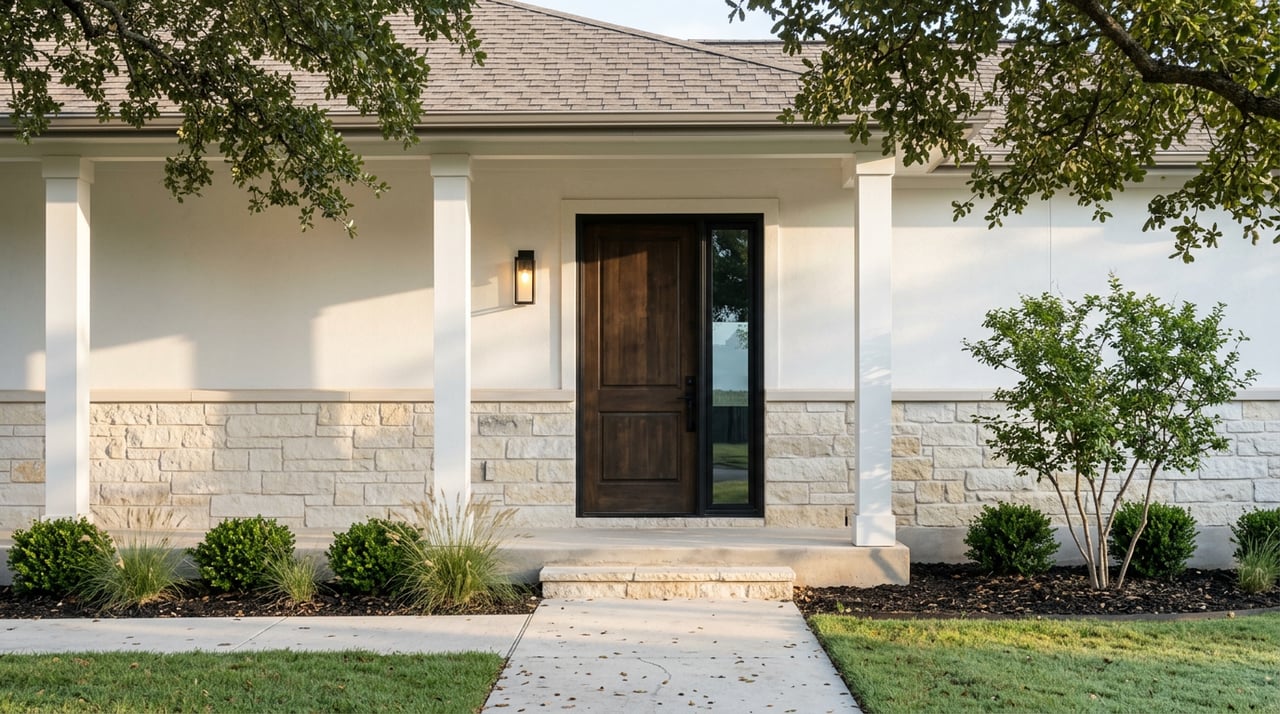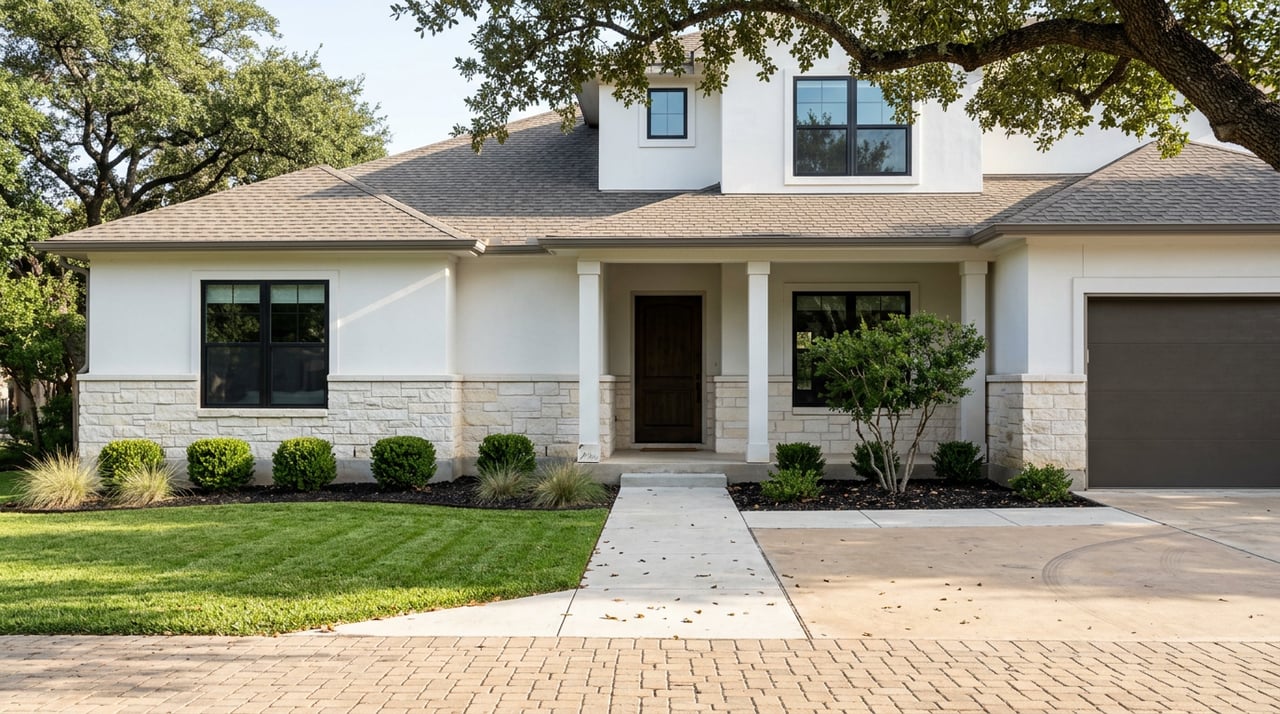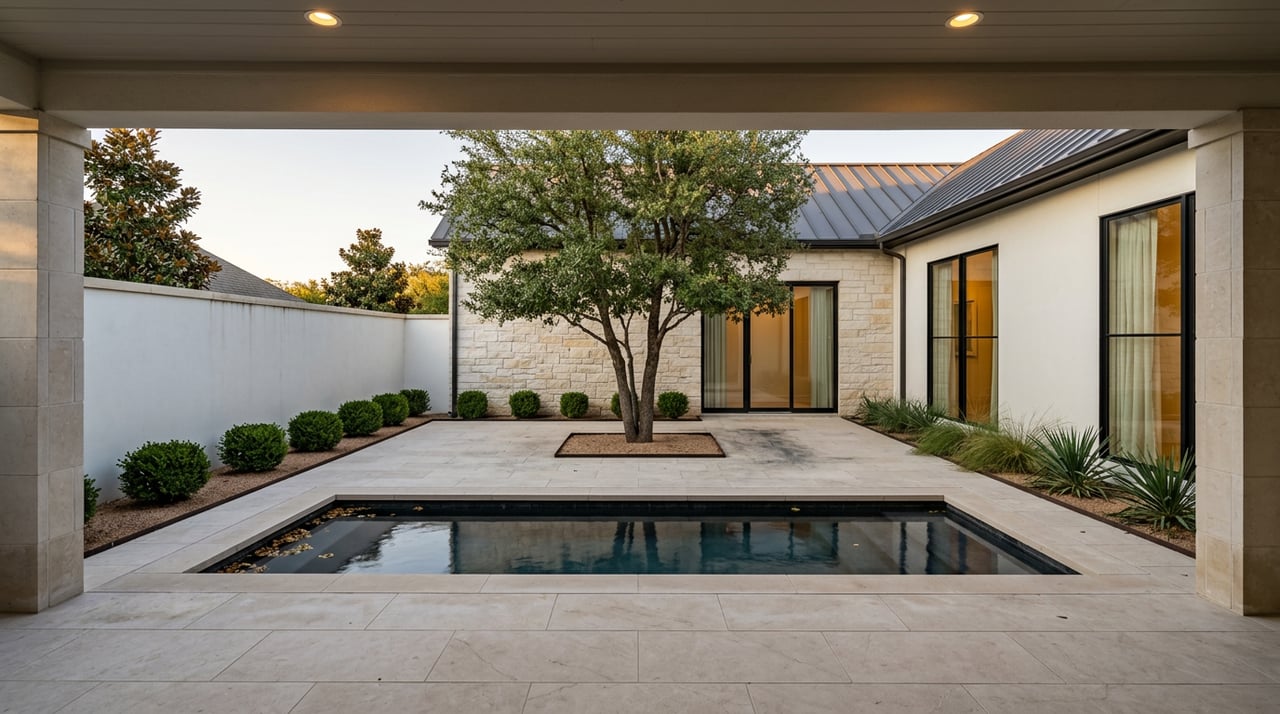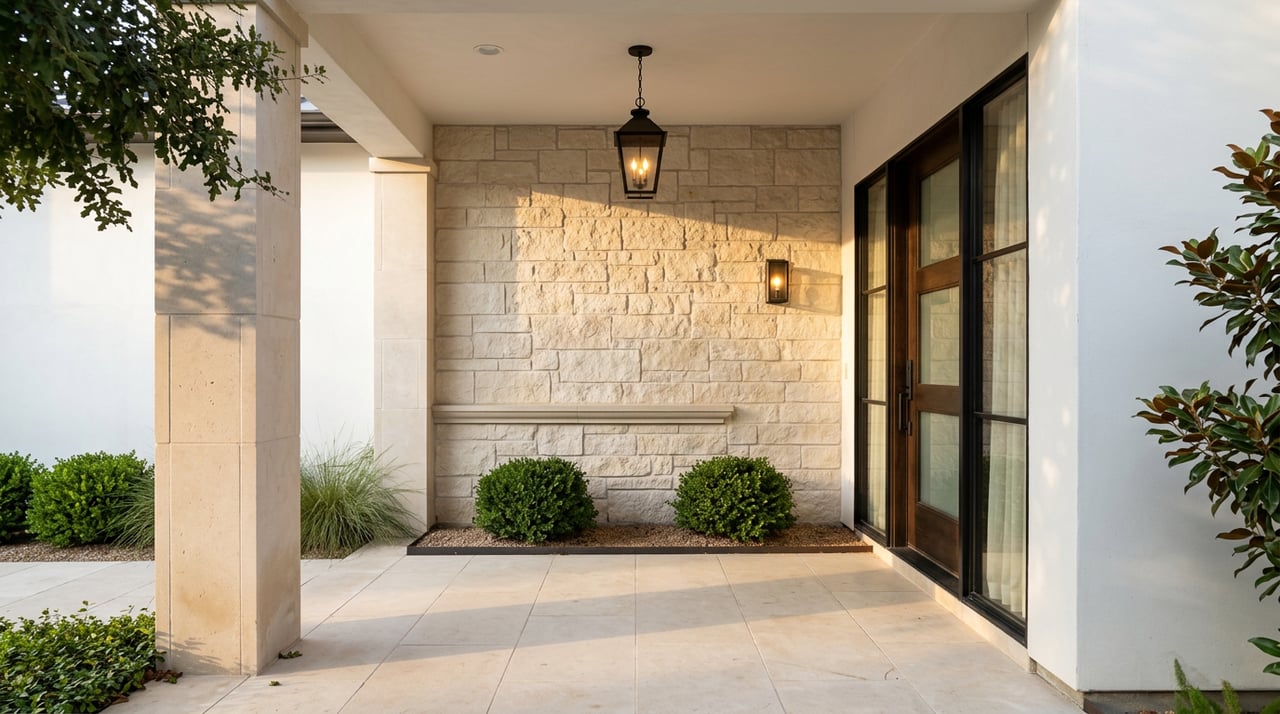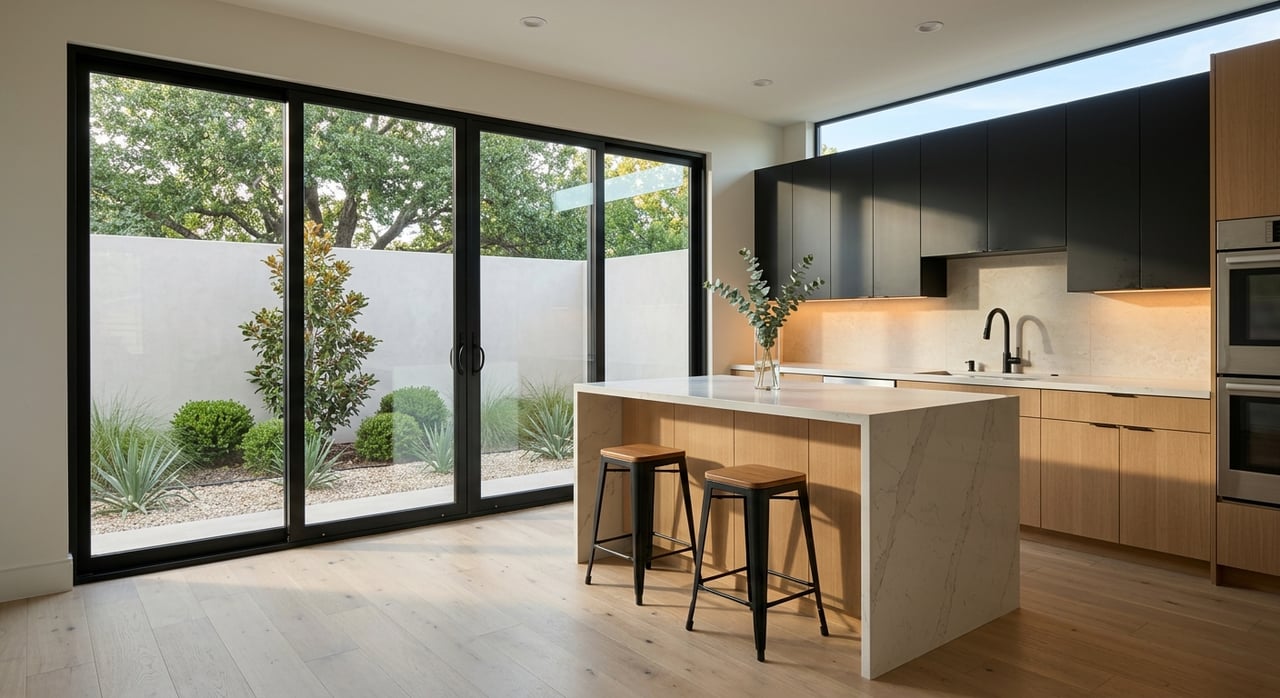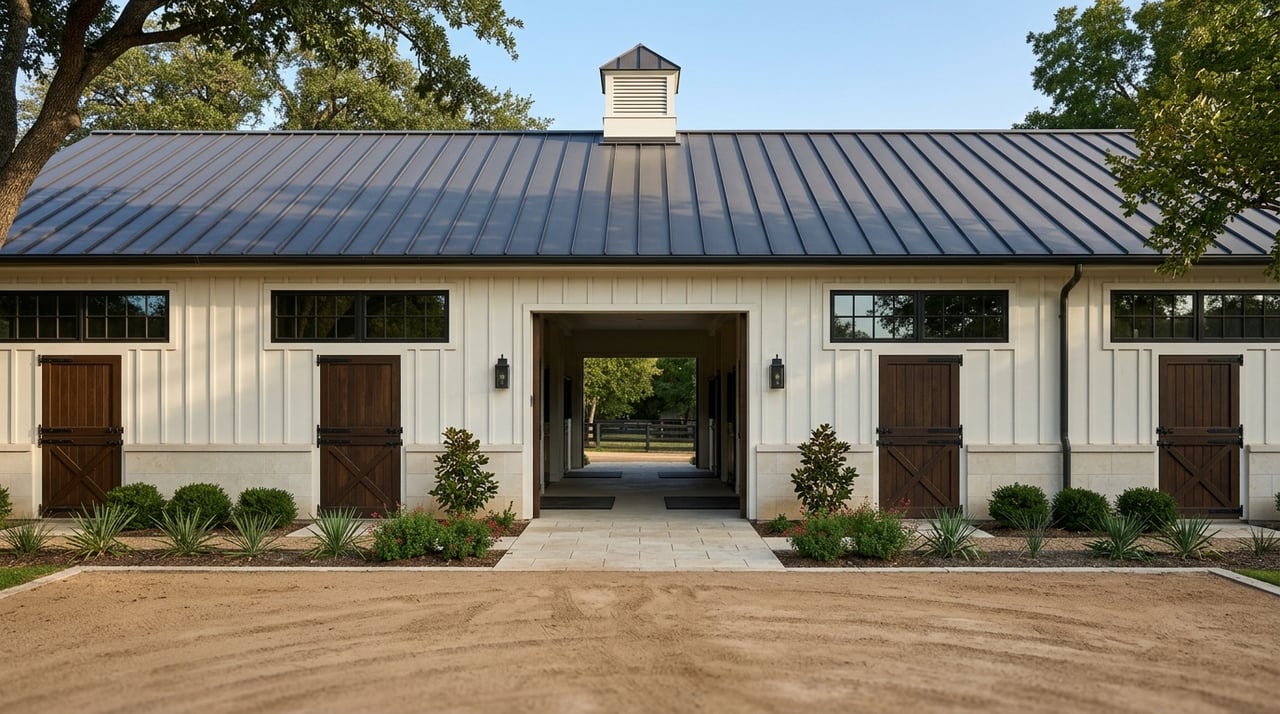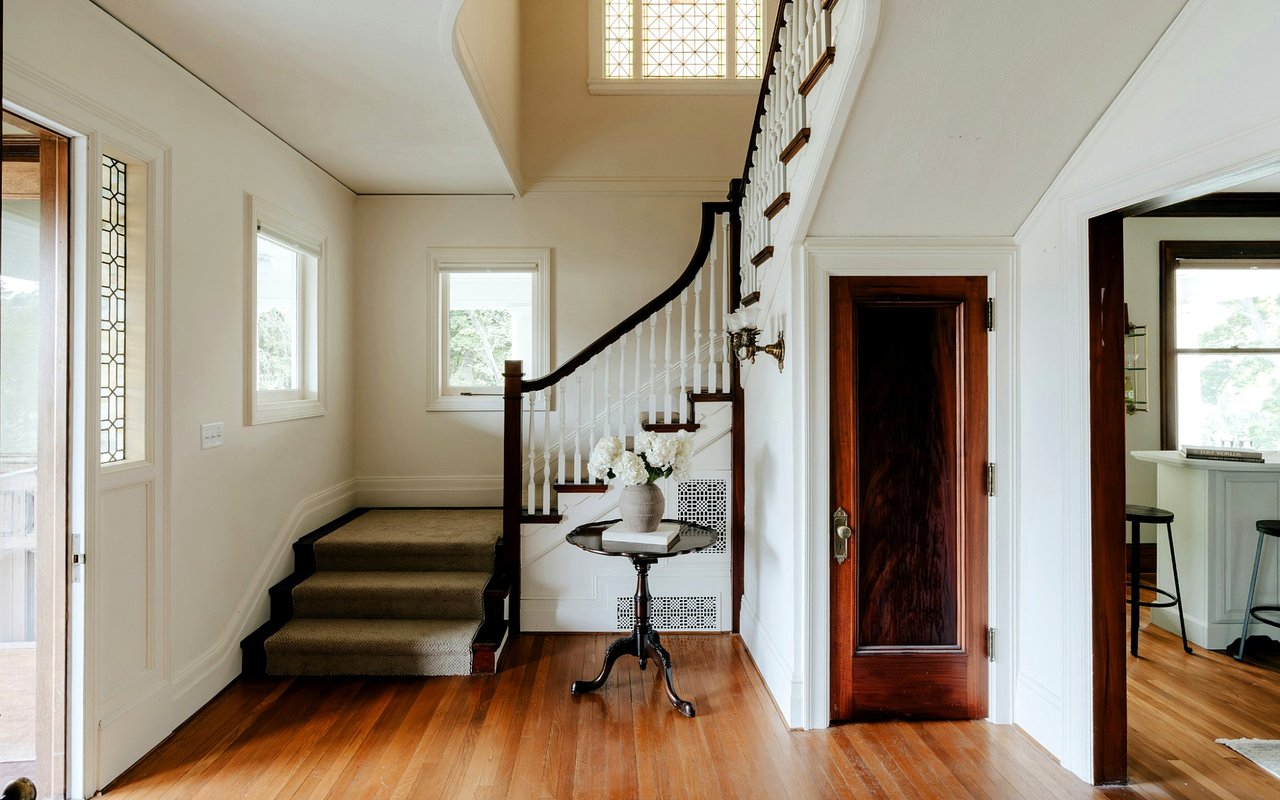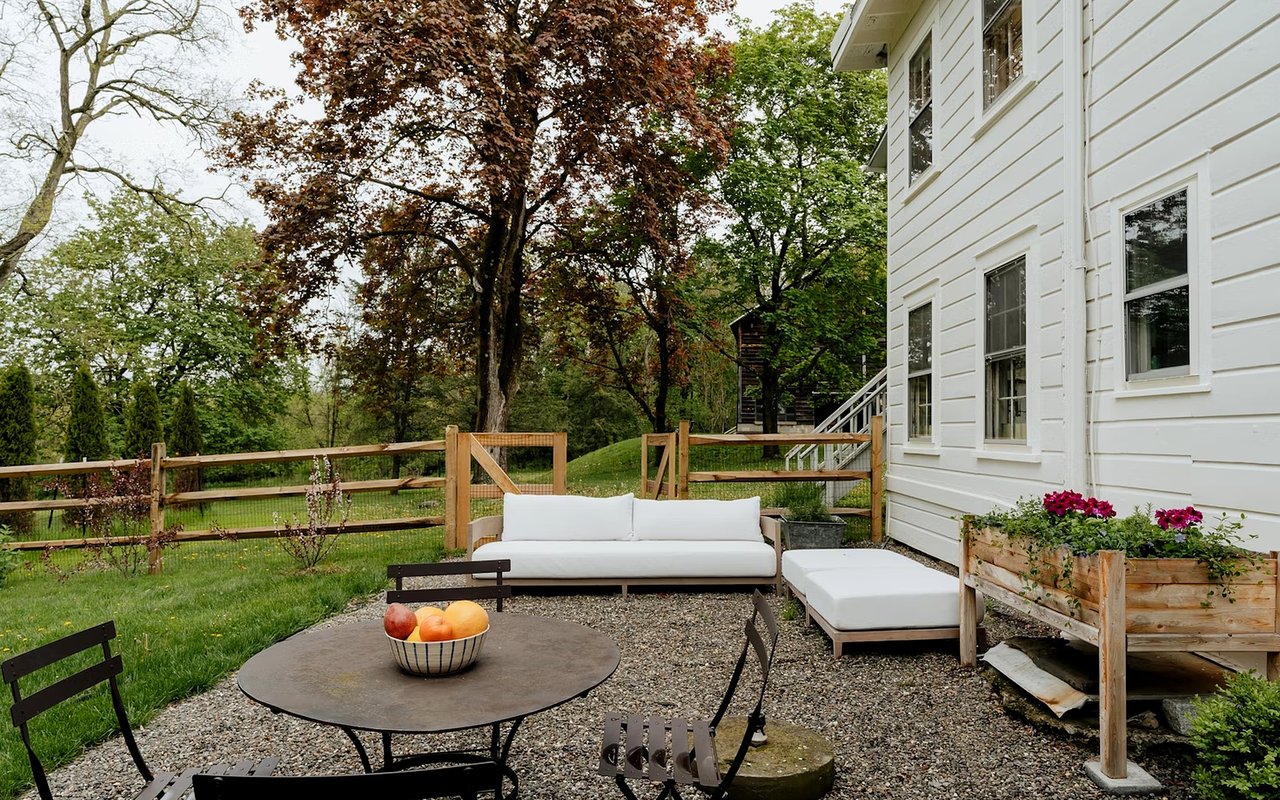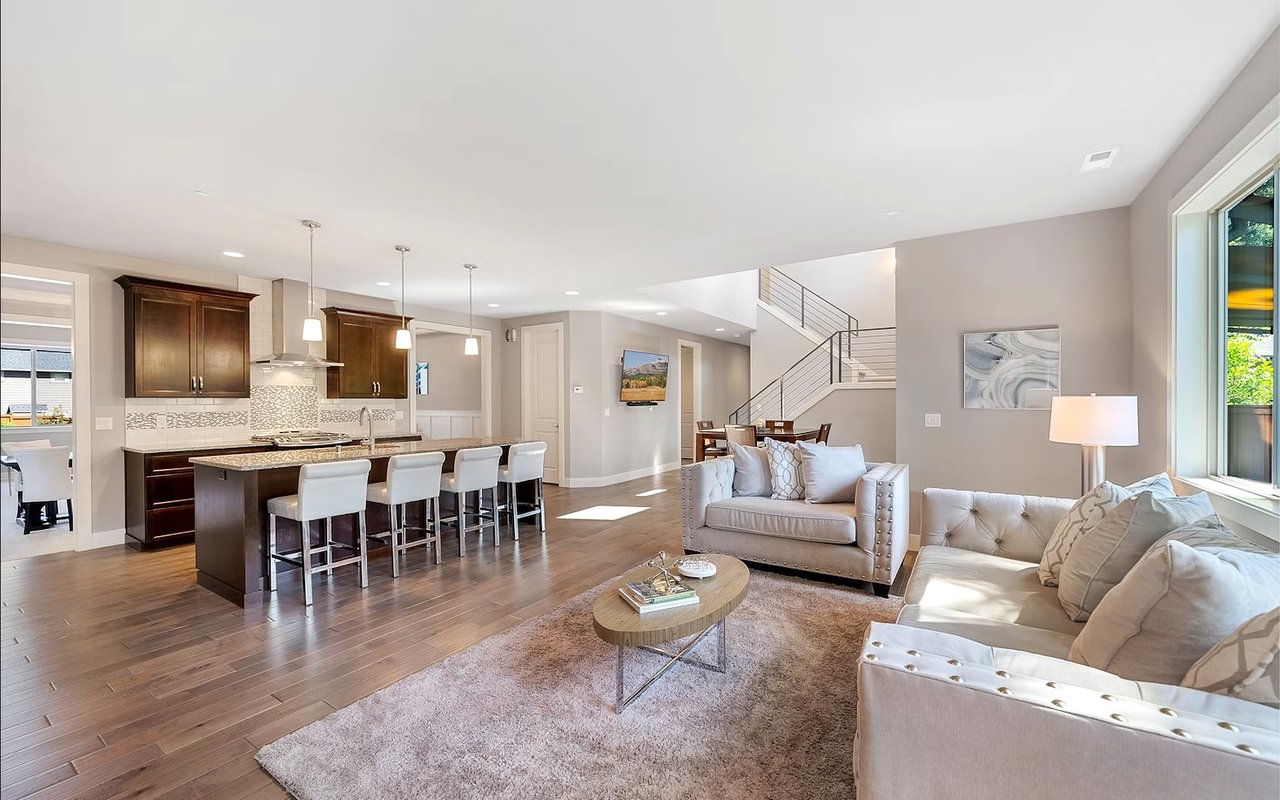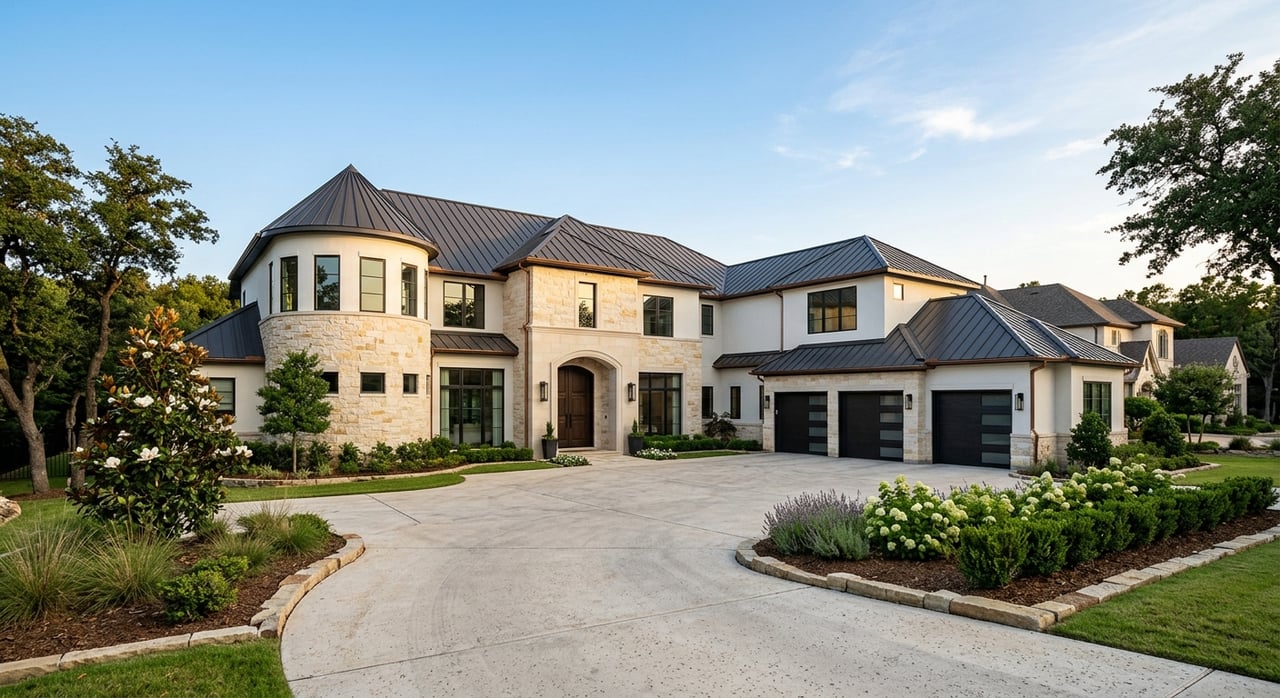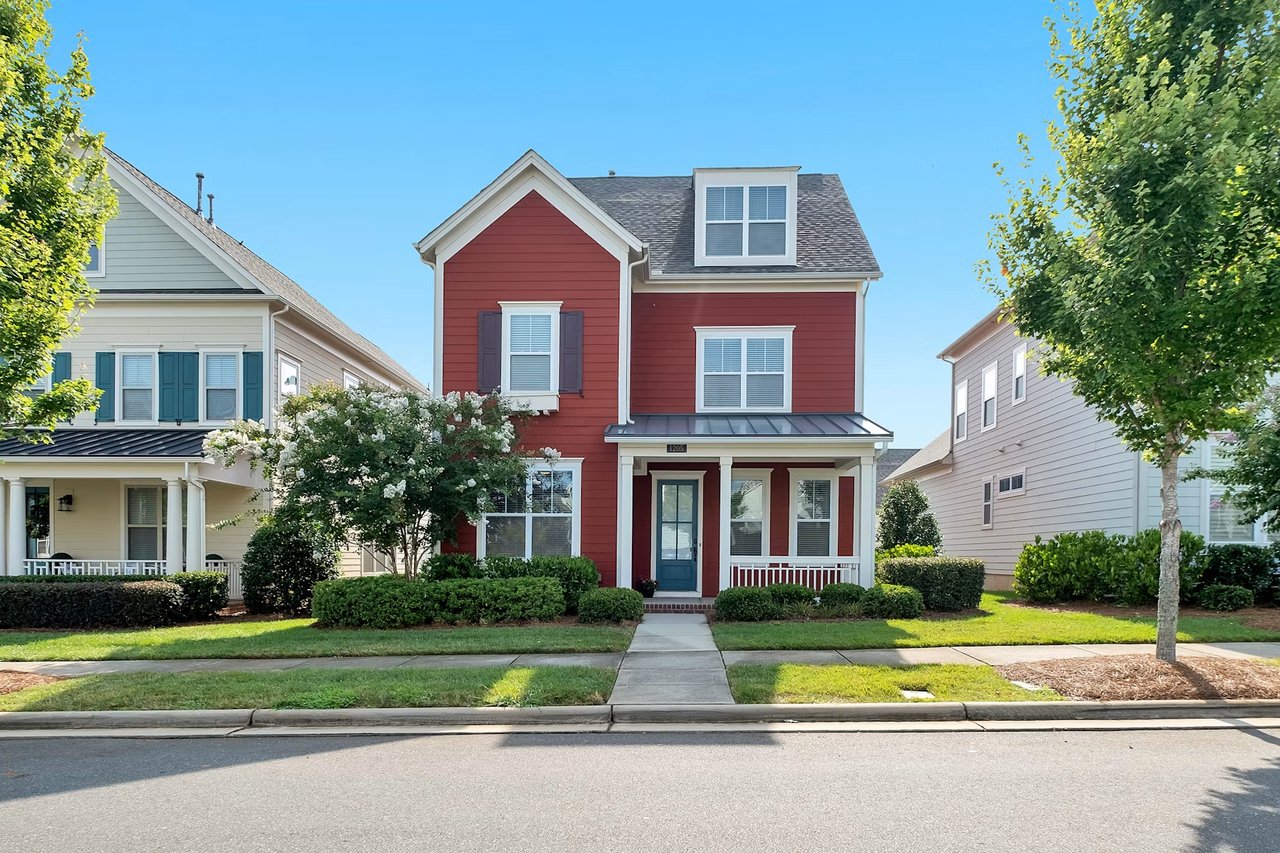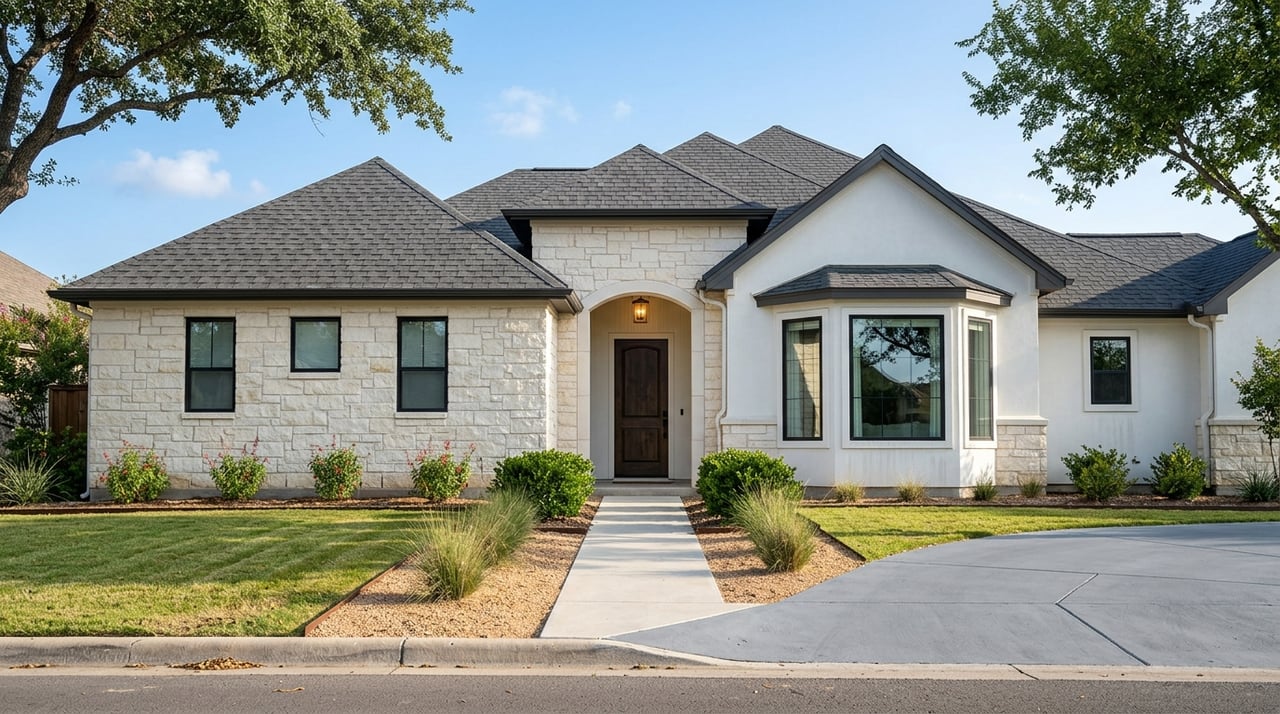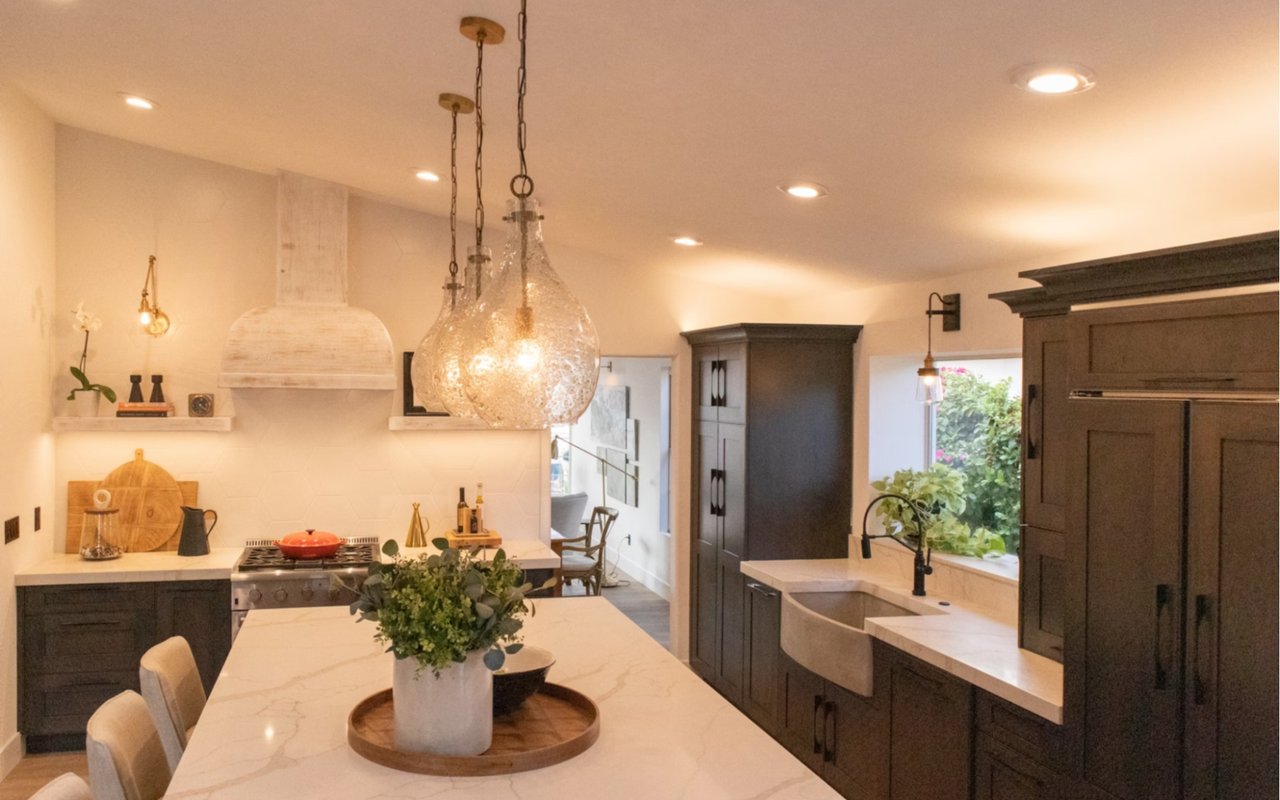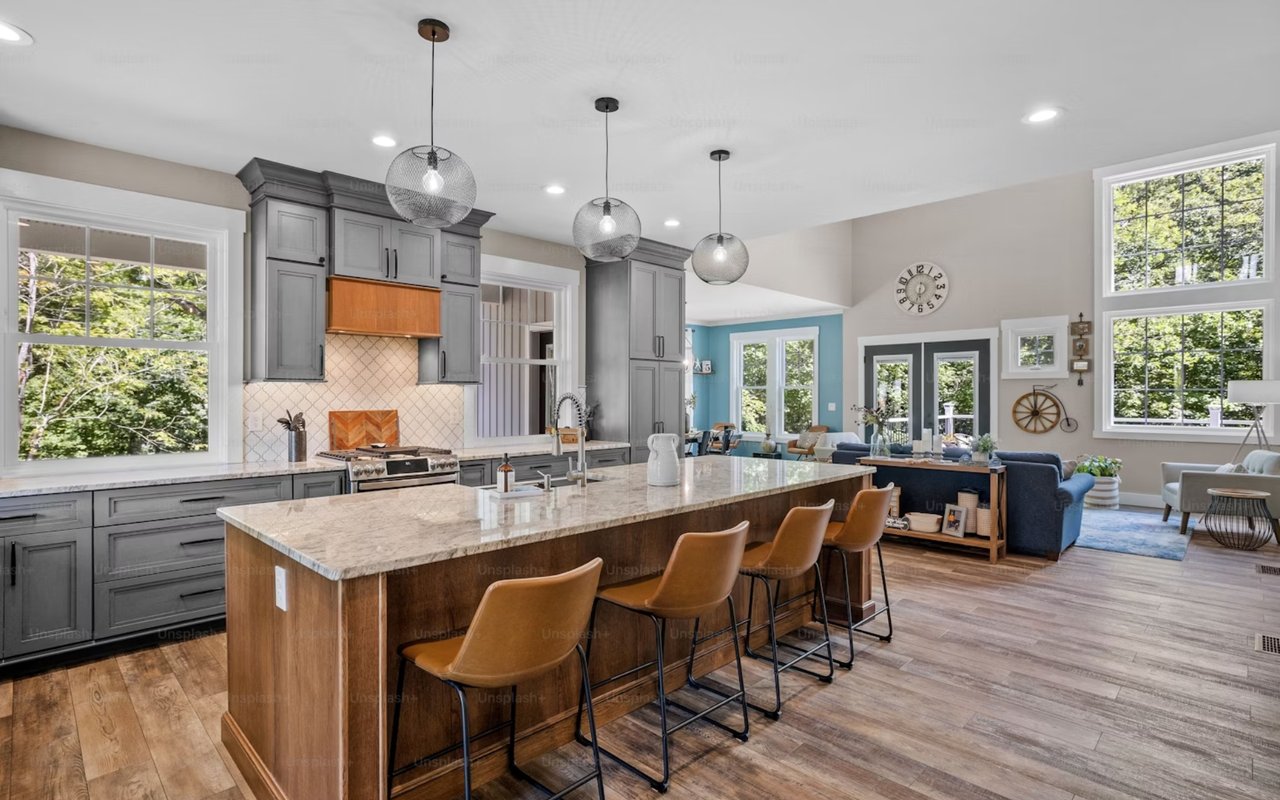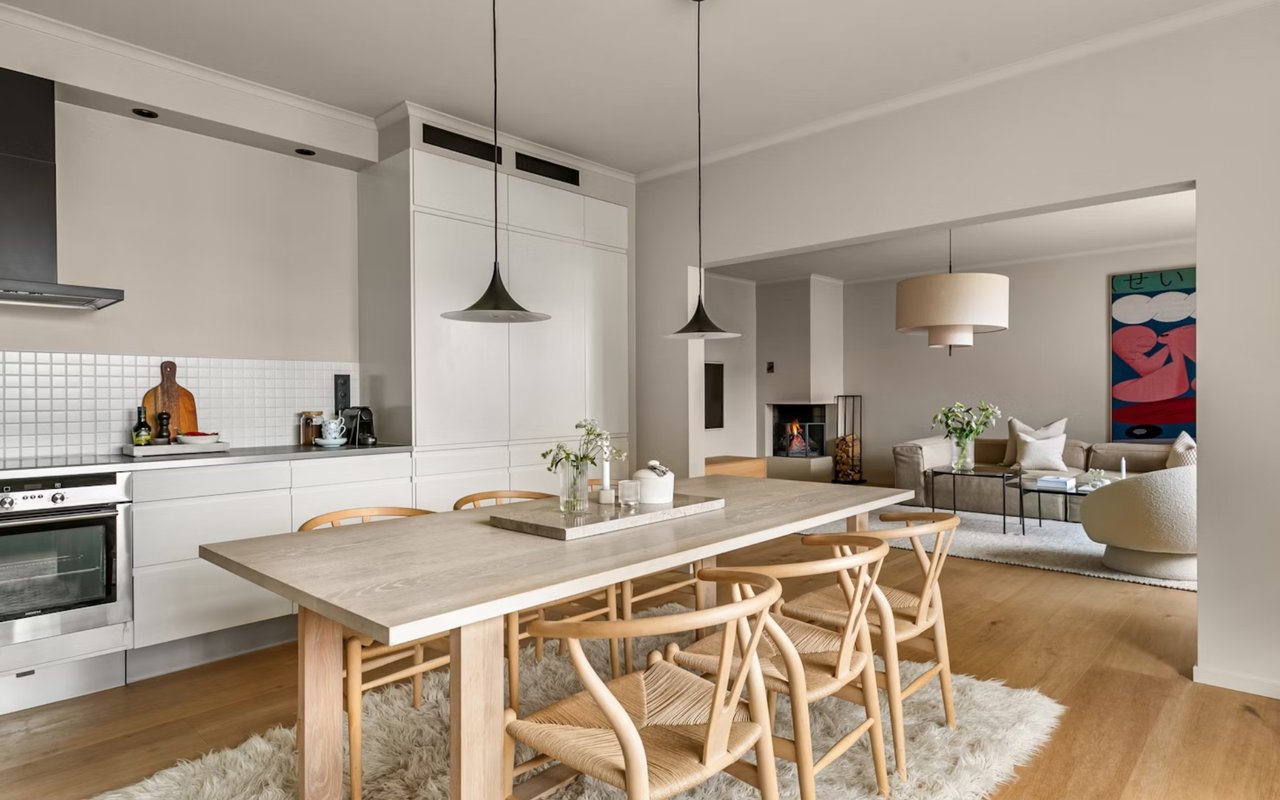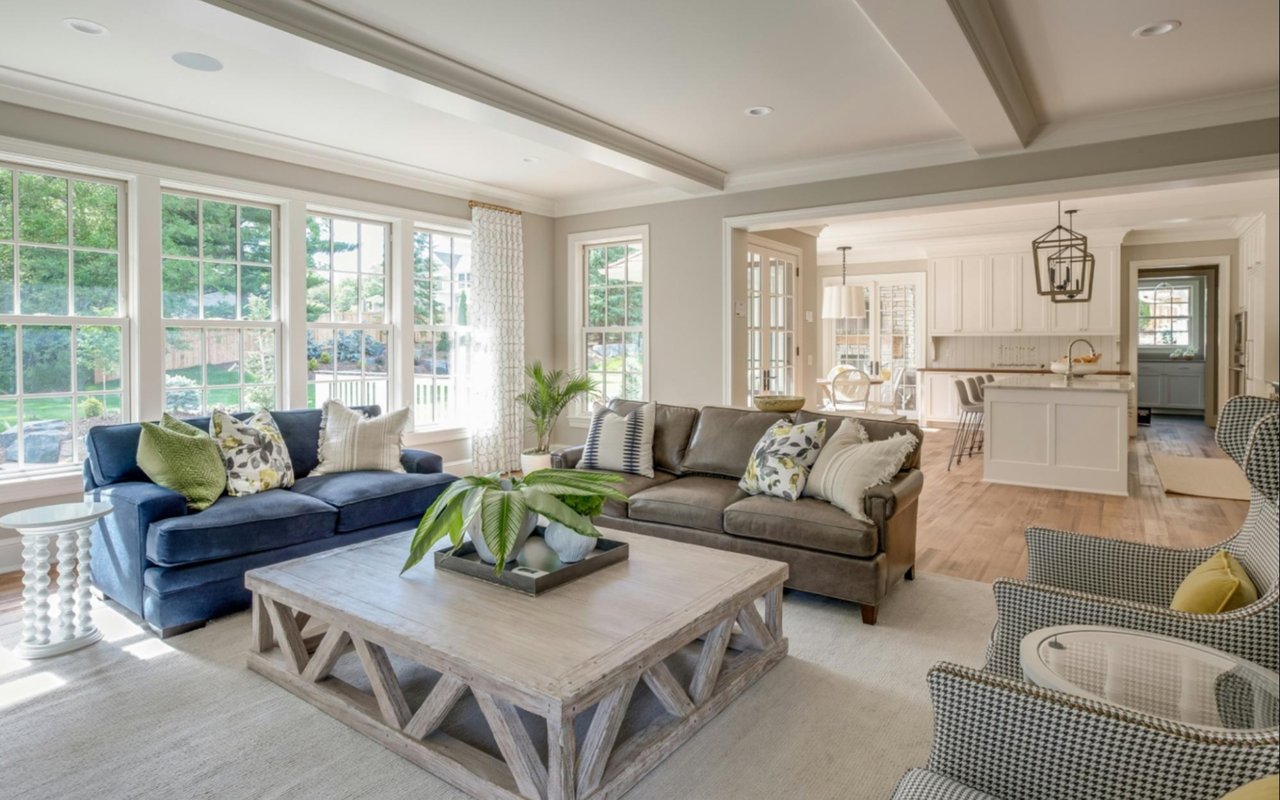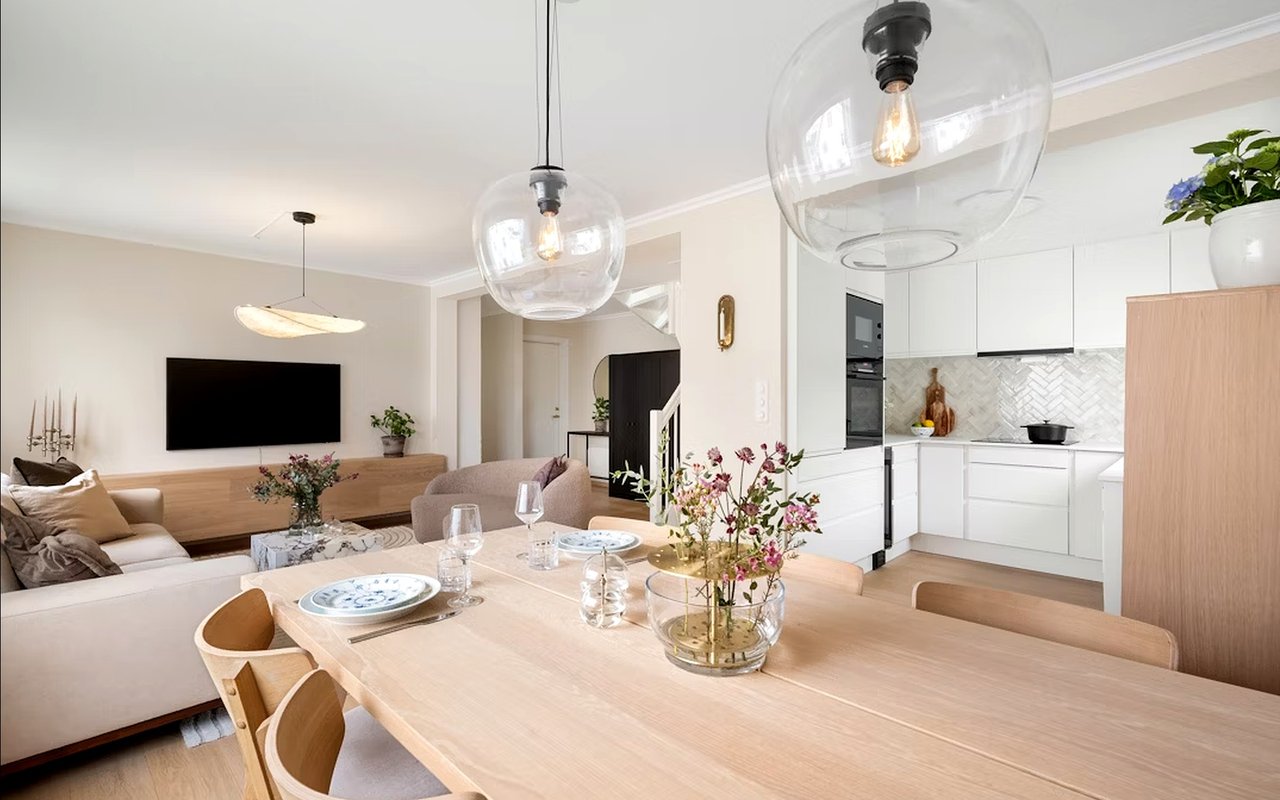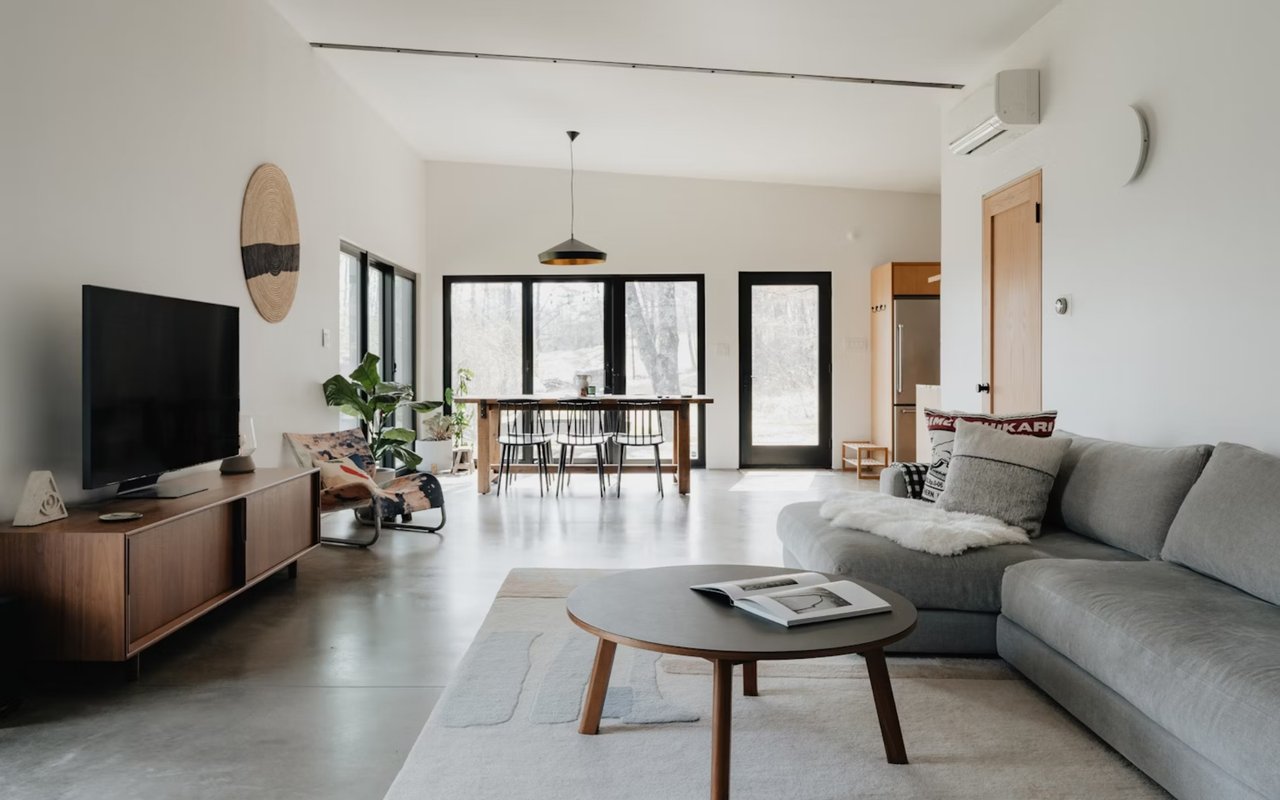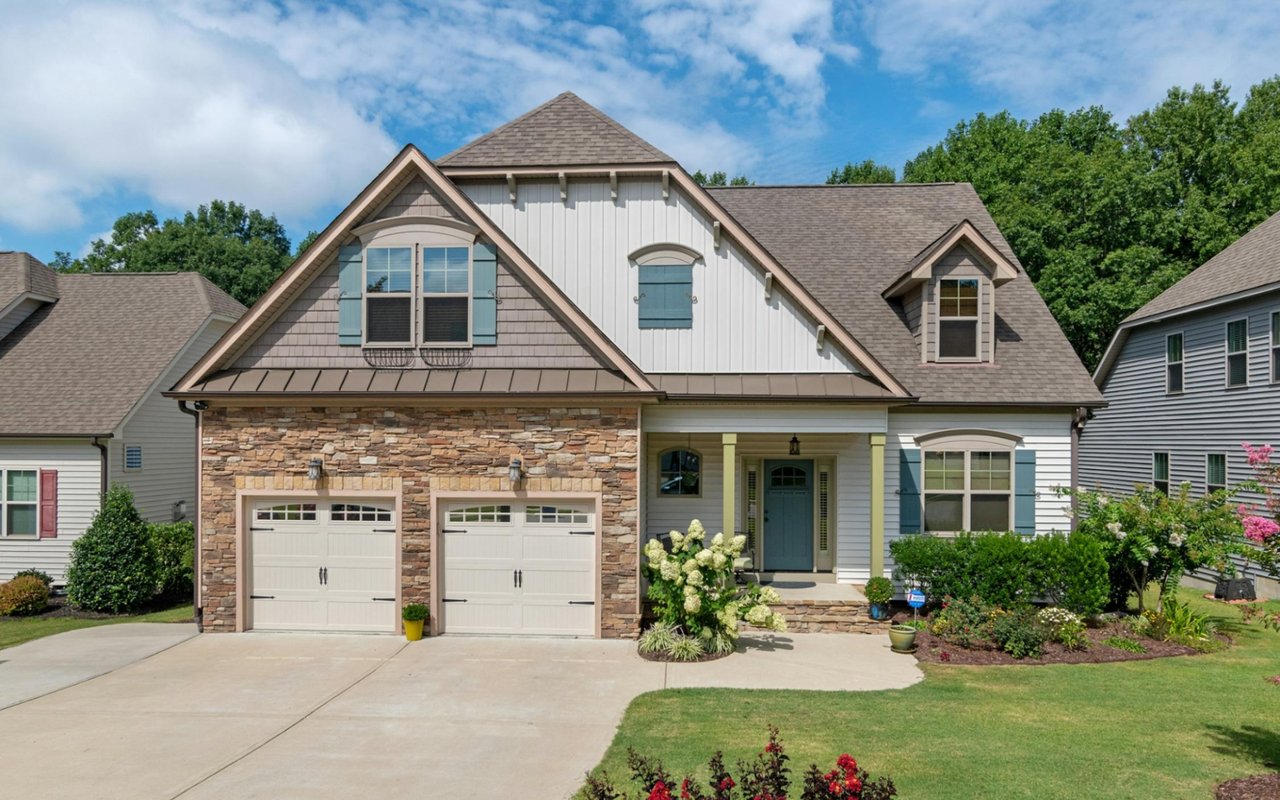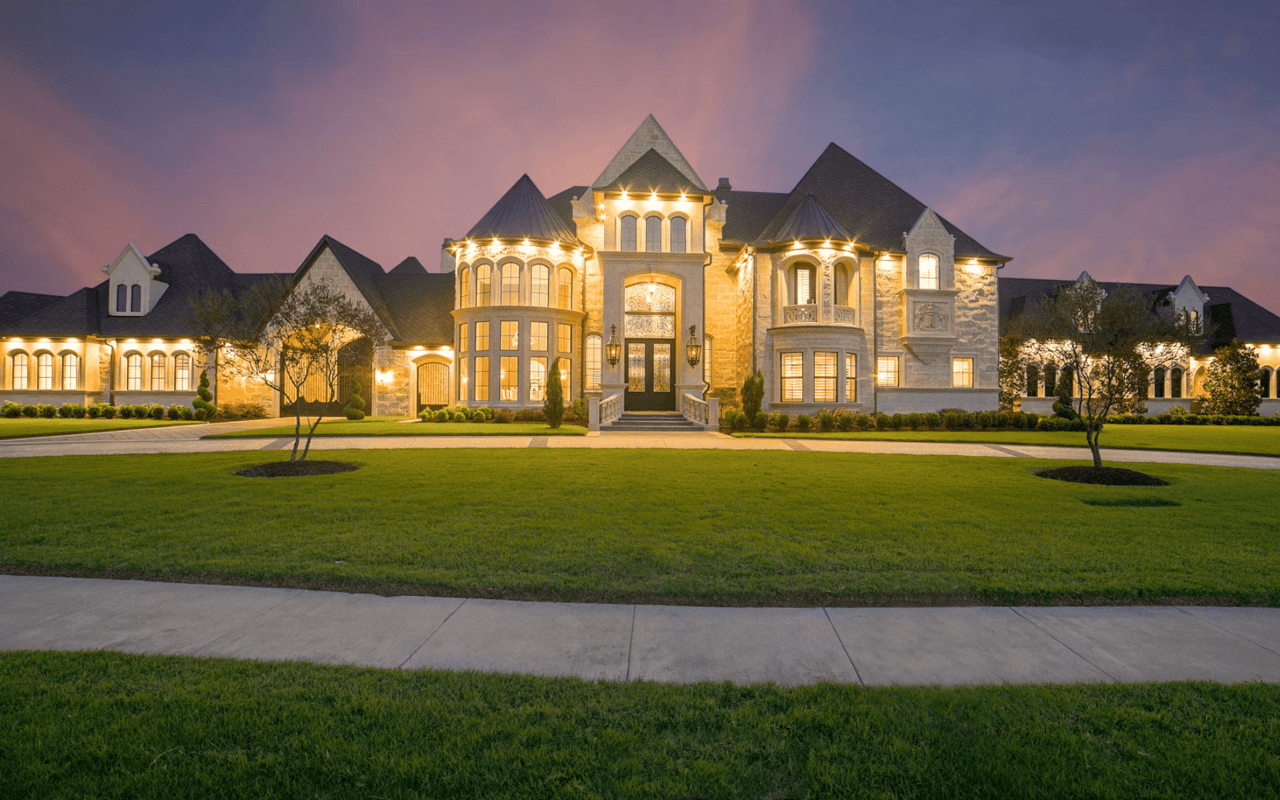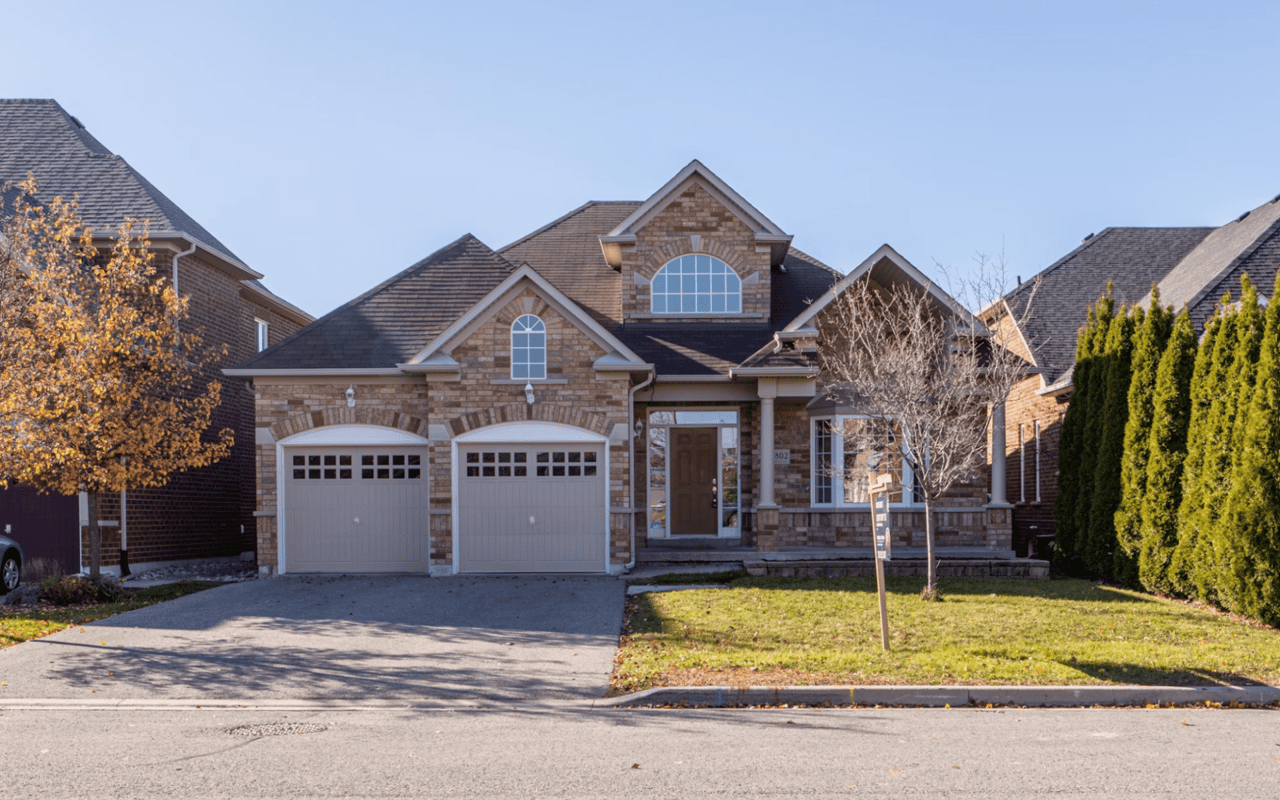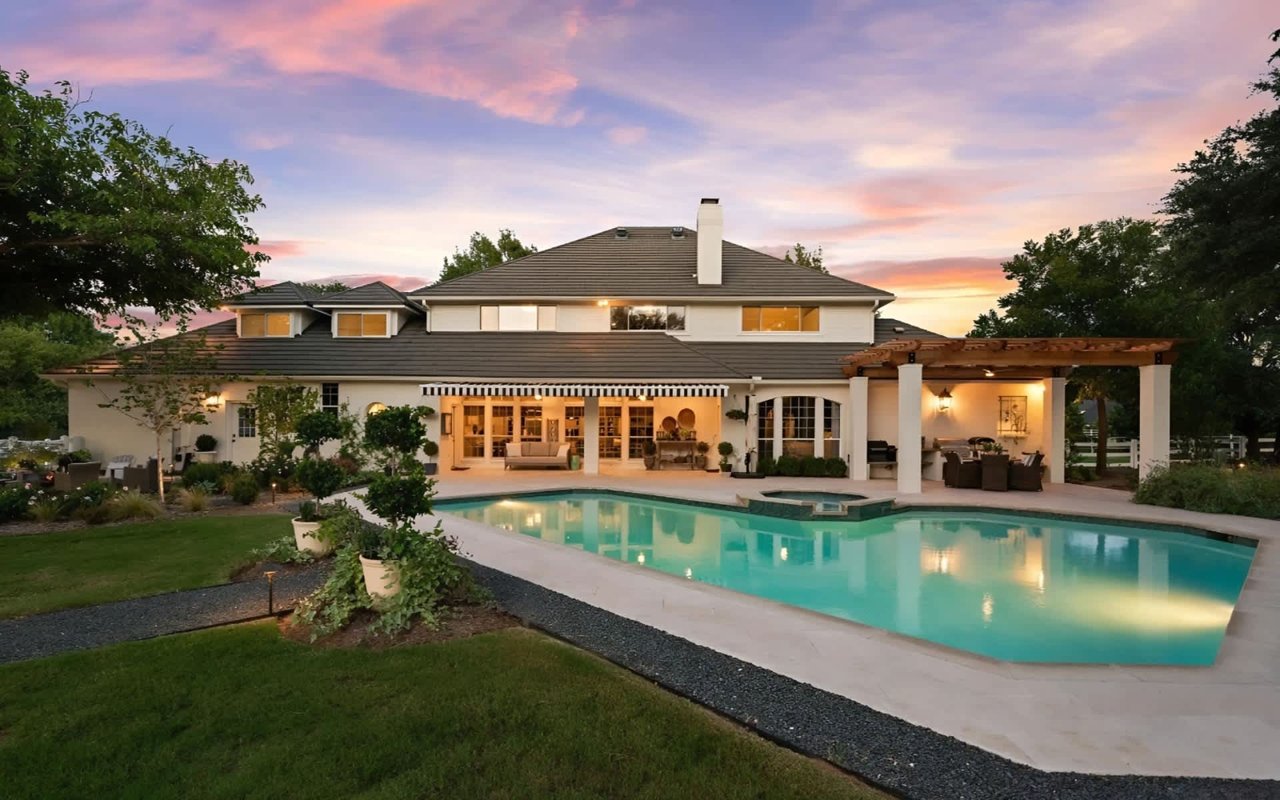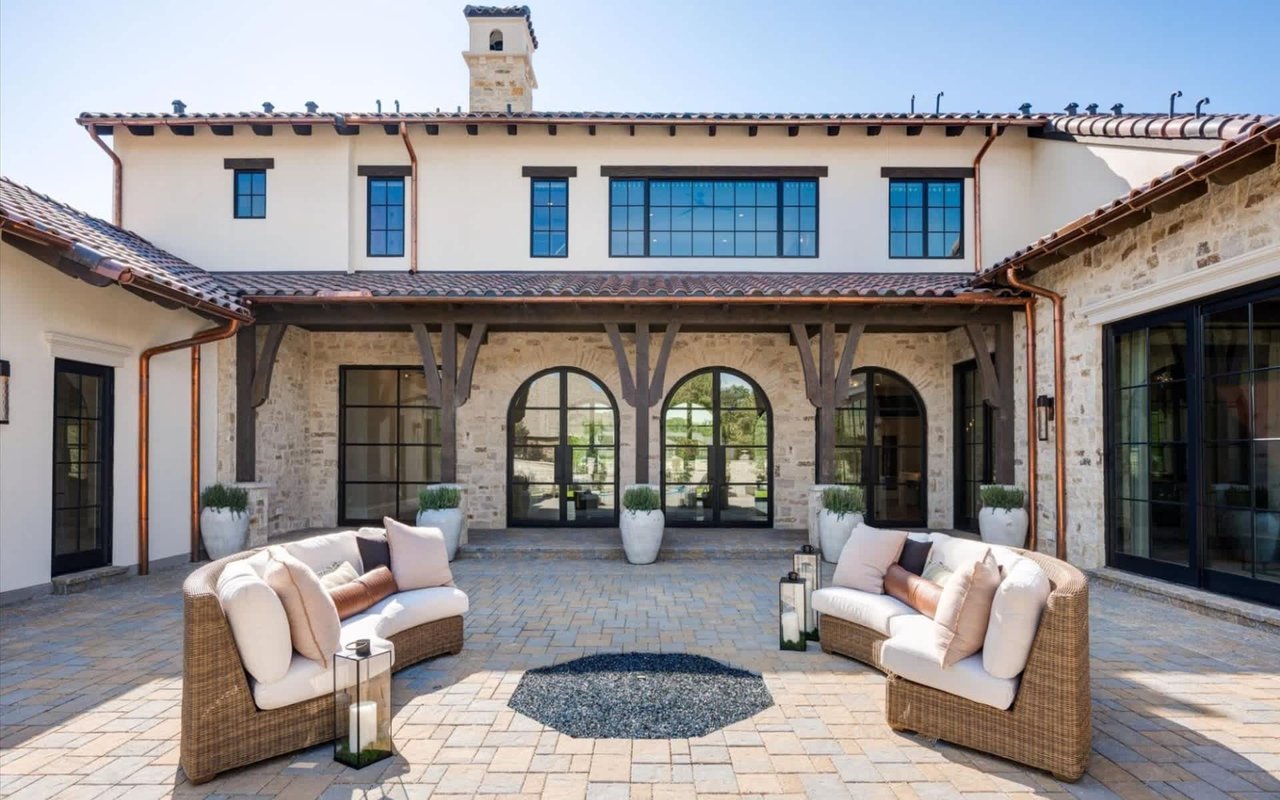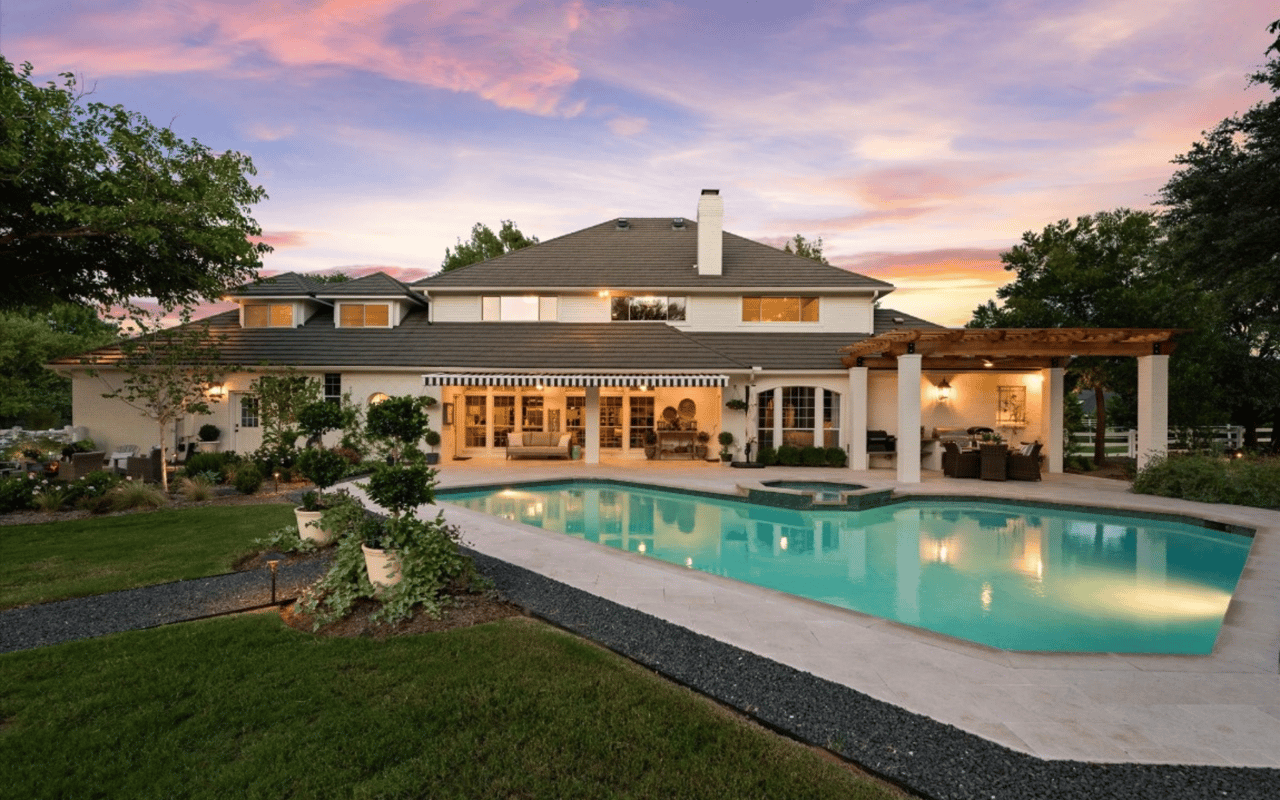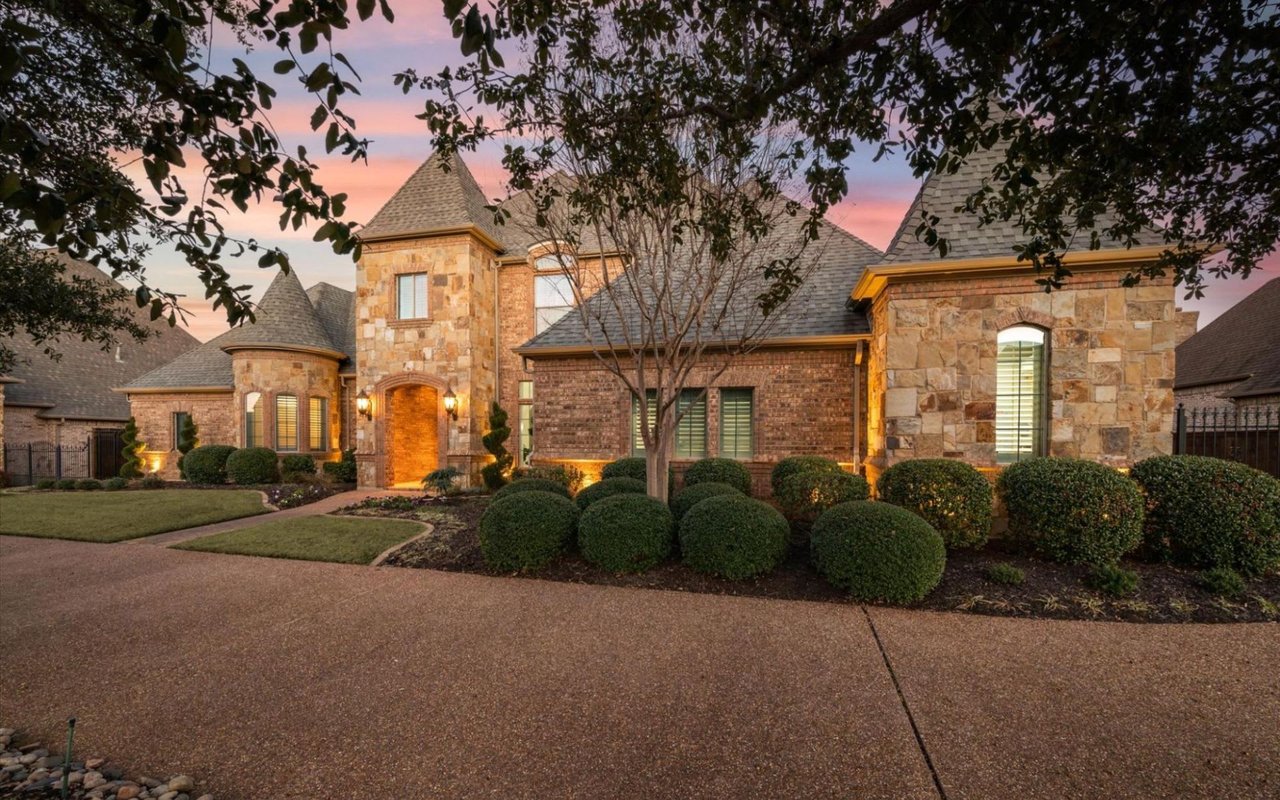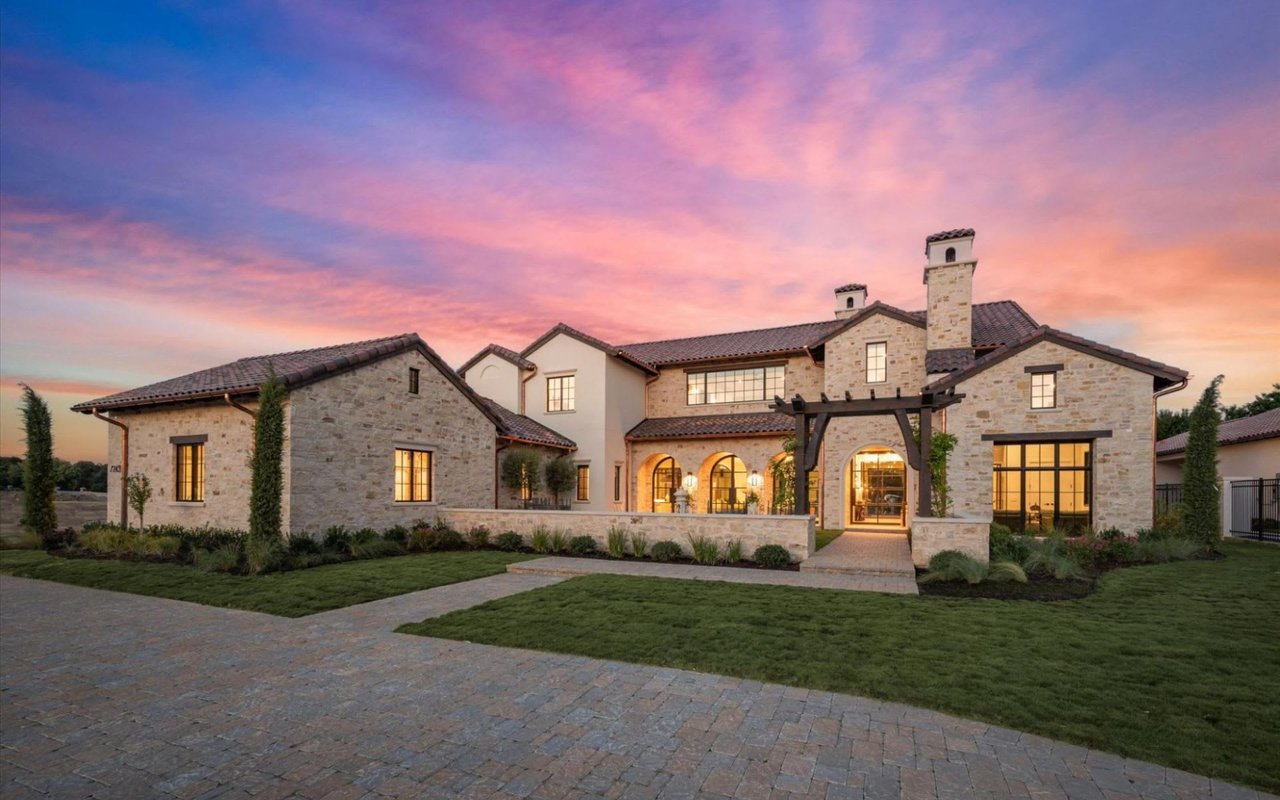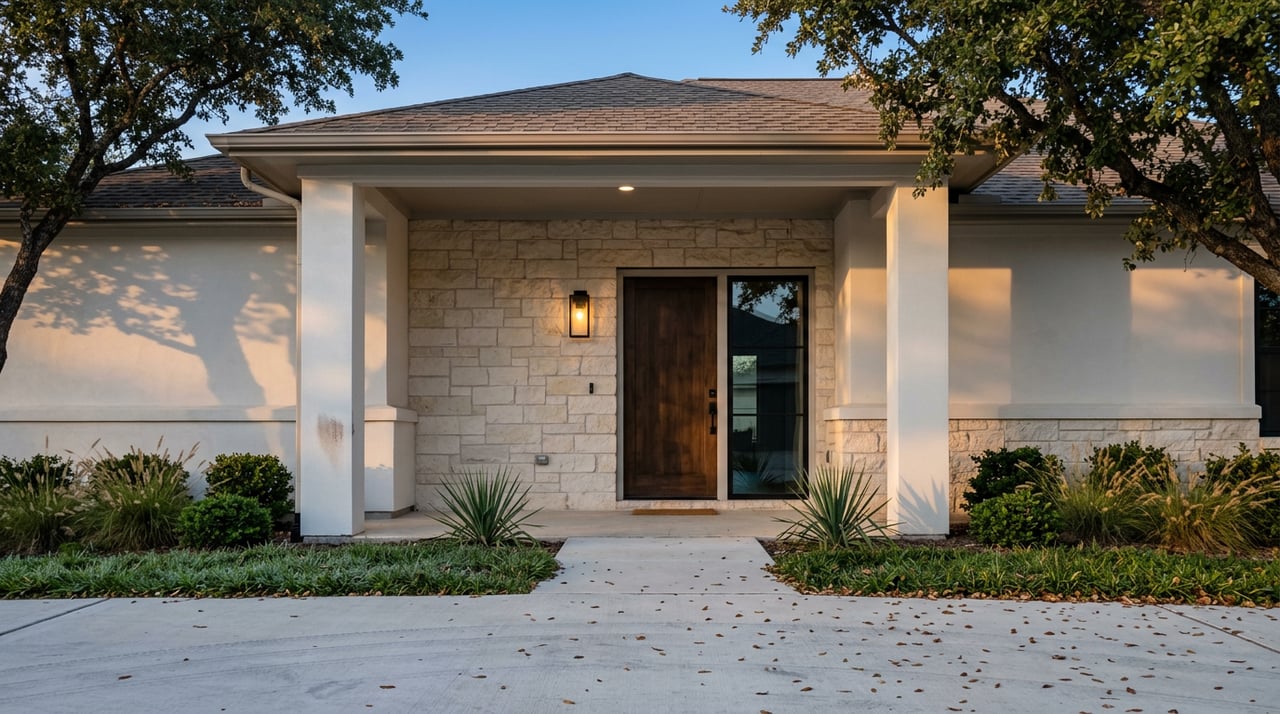
Picture two homes in Trophy Club, each listed at $780,000, each four bedrooms, each zoned to the same Northwest ISD schools. A buyer comparing them on price alone would call it a coin flip. But depending on which side of an invisible line each house sits, and depending on when the seller last checked their tax bill, those two homes can carry noticeably different annual costs. Neither the listing sheet nor the median price on any portal will tell you why.
The reason has nothing to do with the subdivision name, the builder, or the school rating. It comes down to two mechanics that most buyers never think to ask about: which county actually appraises the property, and whether the home sits inside a special district that changed its billing structure less than a year ago.
A Zip Code That Answers to Two Counties
Trophy Club carries a single zip code, 76262, but the town itself straddles the Denton and Tarrant county line. That matters because Denton and Tarrant do not tax the same way. On the Denton County side, the effective property tax rate for Trophy Club homes runs around 1.54 percent, well above the 1.02 percent national median. On the Tarrant County side, the effective rate sits below that same 1.02 percent national benchmark, giving those homeowners a noticeably lighter load from the county line item alone.
The gap shows up in real dollars. Homes on the Denton County side of Trophy Club carry a median annual tax bill of roughly $10,831, with the top decile of homes running as high as $14,924. That's not because Denton homes are automatically worth more. It's because the county-level rate, the appraisal methodology, and the way exemptions get applied all differ once you cross that line, even though the town services, the HOA rules, and often the school district stay identical.
The Town of Trophy Club's own municipal rate is the one constant. For fiscal year 2025, the town-wide property tax rate was set at $0.415469 per $100 of valuation, split between an operations and maintenance component of $0.316042 and a debt service component of $0.099427. That piece of the bill doesn't change based on county. Everything layered on top of it, from the county rate to the school rate to any special district assessment, is where the real variation lives.
Speaking of the school rate: it moved for everyone this year regardless of county. Northwest ISD voters approved a three-cent maintenance and operations increase in November 2025 by a narrow 51.87 percent margin, a change expected to generate roughly $12 million for class sizes and teacher raises. Every Trophy Club household in Northwest ISD is paying that increase starting with tax year 2025, whether they're on the Denton or Tarrant side of town.
The Line That Just Moved Inside The Highlands
The county split is the older, more permanent divide. The newer one sits entirely inside The Highlands at Trophy Club, the neighborhood governed by Public Improvement District No. 1.
Through tax year 2024, PID residents paid for fire service through a flat Annual Emergency Services Assessment listed on their property tax bill, plus a separate Monthly Utility Surcharge tacked onto their water and sewer bill since October 2015 to help fund the PID's share of infrastructure costs. Both charges were fixed dollar amounts, unrelated to what the home was actually worth.
That changed on January 1, 2025, when the Town of Trophy Club and Trophy Club Municipal Utility District No. 1 expanded the district's boundaries to include the entire town, including the PID area and a portion of Westlake. The practical fallout landed in two waves. Starting with tax year 2025 bills, due January 31, 2026, the flat Emergency Services Assessment came off PID residents' property tax bills and was replaced by a value-based Trophy Club MUD No. 1 property tax. Then, beginning with the October 2025 billing period, the monthly PID surcharge disappeared from water and sewer bills entirely, its cost absorbed into that same MUD tax line.
Here's the mechanism worth sitting with: because the old PID charges were flat, a $500,000 home and a $1.5 million home in the same PID paid the identical dollar amount for fire and infrastructure costs. Now that the charge rides on assessed value through the MUD tax, a home valued above the PID area's average will likely see its bill tick up slightly, and a home valued below average will likely see it tick down. The subsidy that used to run from higher-value homes to lower-value homes inside the PID is gone.
| Highlands (PID No. 1) Cost | Through Tax Year 2024 | Tax Year 2025 Forward |
|---|---|---|
| Fire service charge | Flat Emergency Services Assessment on the property tax bill | Rolled into value-based Trophy Club MUD No. 1 property tax |
| PID infrastructure surcharge | Added to the monthly water and sewer bill | Removed starting October 2025 billing; folded into the MUD tax |
| Federal deductibility | Non-deductible special assessment | Deductible property tax, per the district |
| MUD board voting rights | None for PID residents | Gained, effective with the 2025 boundary expansion |
There's an upside buried in the change too. Because the charge is now classified as a district property tax rather than an assessment, PID residents can deduct it on federal returns, something they couldn't do under the old structure. They also picked up voting rights for the MUD board, giving Highlands homeowners a say in decisions that used to be made without their input.
Those dollars aren't going nowhere. The MUD's approved fiscal year 2026 budget runs $13.4 million, with a $3.8 million capital program earmarked for water line replacement on Oakmont Drive, Palmetto Court, Creekmere Drive, Creekmere Court, Edgemere Drive, and Edgemere Court, plus wastewater line and manhole work around Indian Creek Drive and Asheville Lane, and design work on an emergency waterline connection with the City of Southlake. If you're looking at a home on one of those streets, that's not background noise. It's a project already funded and scheduled.
What This Costs You Depends on the Address, Not the Subdivision Name
Put the two mechanisms together and the lesson is simple: "Trophy Club taxes" isn't one number, and it hasn't been a stable number recently even within a single neighborhood. A home's total bill depends on which county appraises it, whether it sits inside PID No. 1, and where its value falls relative to the PID area's average now that the fire and infrastructure charge moves with assessed value instead of sitting flat.
As of August 2026, Trophy Club homes carried a median list price of $797,000 and spent a median of 40 days on the market that month, a notably faster pace than the same point in 2025. Just three months earlier, in the window ending May 2026, homes were closing closer to $869,000. With a market that swings that much in a single season, a handful of sales can move the "median" more than any tax line ever will, which is exactly why the tax mechanics matter more than the headline price when you're comparing two specific homes rather than tracking the town as a whole.
Four Things to Check Before You Write an Offer or Set a List Price
Before comparing two Trophy Club homes on price alone, verify the following:
Confirm which county appraises the specific address, Denton or Tarrant, rather than assuming a flat "Trophy Club rate." The seller's most recent tax bill or the property's plat will state it directly, and each county's appraisal district can confirm it by address.
If the home sits inside The Highlands at Trophy Club, ask for the most recent MUD tax bill rather than last year's, since the math changed with tax year 2025 and an older bill will show the retired flat assessment instead of the current value-based line.
Ask the title company to confirm the Texas Property Code Section 5.014 special district notice is included in the closing paperwork. Texas law requires this disclosure for properties inside a public improvement district, and the Texas Real Estate Commission's Notice to Purchaser of Special Taxing or Assessment District, Form 59-0, is the standard vehicle for it.
If financing, ask your lender directly whether your escrow account has been recalculated to reflect the current value-based MUD line rather than an older flat PID estimate. A stale escrow projection is a common source of a payment jump in year two that nobody warned you about at closing.
A Few Questions Worth Asking Directly
Does the PID-to-MUD change affect my mortgage escrow if I already own in The Highlands? It can. Your lender should have recalculated your escrow once the flat surcharge came off your water bill and moved onto your annual tax bill. Confirm directly with your servicer rather than assuming last year's estimate still holds.
Is the MUD tax the same thing as my HOA fee? No. The MUD tax is a government-levied property tax collected with your county tax bill. Your HOA fee is a private charge for community upkeep, billed separately by the association.
How do I find out which county a specific Trophy Club address falls under before I make an offer? The seller's most recent tax bill will list either Denton County or Tarrant County directly. Either county appraisal district can also confirm it by street address if you want a second source before you write the offer.
None of this shows up on a listing sheet, and most of it won't surface until a title company or a lender flags it partway through a transaction. If you're comparing homes in Trophy Club and want the real number before you write an offer or set a list price, Sophie Tel Diaz Real Estate can walk the specific address with you and request a complimentary home valuation that accounts for exactly which side of these lines your home sits on.